The anxiety trap nobody talks about
Here's the thing about anxiety and arousal. They cannot coexist. Your nervous system has two modes: fight-or-flight, or rest-and-digest. Anxiety locks you in the first. Pleasure lives entirely in the second. When your brain is scanning for threats, your body cannot simultaneously open up for pleasure. It's not laziness. It's not a lack of desire. It's biology.
Many people experience this as a mysterious loss of arousal that shows up without warning. You want to feel desire. Your partner wants you to feel desire. But your nervous system is stuck in a protective crouch, unable to shift down. This is more common than you might think, and it's also entirely fixable.
Why anxiety kills arousal (the neuroscience part)
When you're anxious, your amygdala. That's the threat-detection part of your brain. is running the show. It floods your body with cortisol and adrenaline. Your pelvic floor tightens. Blood flow redirects away from your genitals and toward your limbs, ready for escape. Your mind stays vigilant, scanning for problems instead of settling into sensation.
At the same time, the parts of your brain that handle pleasure and reward are essentially offline. You're not broken. Your nervous system is just doing exactly what it was designed to do: protect you from perceived danger.
The problem is that modern anxiety isn't about physical threat. It's about work stress, relationship worry, financial pressure, global news. Your brain can't tell the difference. It responds the same way it would to a predator. And your arousal pays the price.
Why a lemon vibrator works differently for anxious bodies
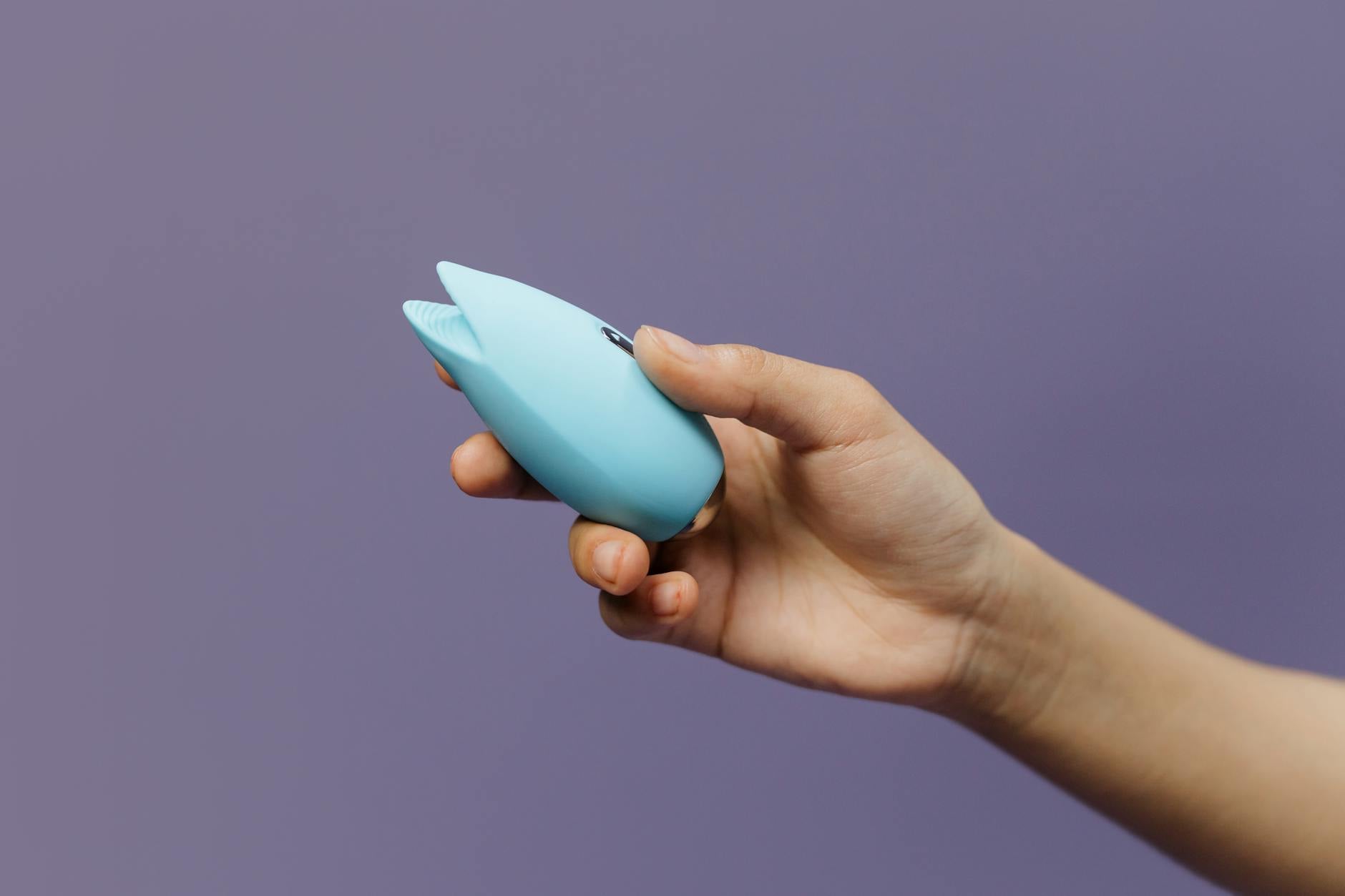
A lemon clitoral vibrator like the one from Hello Nancy works on several levels for anxiety-blocked arousal. First, the sensation itself is strong and immediate. Suction-based stimulation creates a direct, unmistakable signal to your nervous system. It's hard to stay in your head catastrophizing when your body is receiving clear, intense pleasure signals.
Second, air-suction devices bypass the problem of performance pressure. You're not waiting for arousal to build naturally. The vibrator is doing the work. This removes the anxiety loop of "Am I turned on yet?" That question alone kills arousal. With a lemon sucker, you can skip straight to sensation.
Third, the rhythm is consistent and predictable. When your nervous system is in threat mode, unpredictability amplifies anxiety. A reliable, steady pattern helps your brain relax. You know what's coming. There's no surprise. Your nervous system gets permission to settle.
Starting small when anxiety is high
If you're in the middle of an anxiety spiral, don't try to have full-blown pleasure sex. That's like asking someone having a panic attack to relax by thinking about their mortgage. It won't work.
Instead, approach it as nervous system reset. Here's what I recommend:
Set a time when you feel calm. Not when anxiety is peaking. Pick a time of day when you're naturally less stressed. Morning coffee. Sunday afternoon. Whenever you notice your shoulders are actually down.
Start with the lowest sensation setting. On a lemon vibrator, that's usually pattern 1 or 2. The goal isn't orgasm. It's to send your nervous system a signal: "This feels good. You're safe. Your body can relax."
Use it for 5 to 10 minutes, maximum. This isn't a long-haul session. You're introducing your body to pleasure again, gently. Short, consistent experiences teach your nervous system that safety and sensation can coexist.
Notice what you notice. Not what you think you should feel, but what you actually feel. Warmth. Tingling. Softening. Even the absence of panic is a win.
Building the nervous system bridge
The real shift happens when you use the vibrator regularly enough that your nervous system starts to associate the sensation with safety instead of threat. This takes patience. You're literally rewiring the connection between pleasure and your amygdala.
The first time might feel weird or uncomfortable. Your brain is still in protection mode. That's normal. By the third or fourth time, many people notice something shifts. The sensation starts to feel good instead of just novel. Your body begins to remember what pleasure is supposed to feel like.
Here's a pattern that works for anxious bodies specifically. Use the lemon vibrator three times a week, always at a calm moment, always for under 15 minutes, always at a low setting. No pressure for anything beyond sensation. You're teaching your body: "Pleasure is safe. I can let go here."
When your partner is involved
If you have a partner, they need to understand what's happening. Anxiety doesn't mean you're not attracted to them. It means your nervous system needs help shifting gears. A lemon vibrator isn't a replacement for connection. It's a tool that helps you become available for connection.
One approach: use the vibrator solo first, several times, until your nervous system gets the memo that it's safe. Then, introduce it with your partner present, but without pressure for partnered sex. Let them see that you're returning to pleasure. Let them know this is about rebuilding your arousal system, not abandoning them.
Some partners love being involved. They can hold the vibrator, watch your face soften, feel the relief of you becoming present again. Others prefer to step back while you reconnect with your own body. There's no right answer. The right answer is whatever helps you feel safe.
What to avoid when anxiety is the blocker
Don't try to push through it. If you sit down with the vibrator and your mind immediately spirals into worry or your body tenses up, stop. This isn't failure. Your nervous system is telling you it's not ready yet. Put it away. Try tomorrow.
Don't use it as a test. "If I can orgasm right now, then I'm fine." Orgasm isn't the goal. Nervous system calm is. They're not the same thing.
Don't add pressure by trying during high-stress moments. If you're in the middle of a work crisis or a relationship conflict, your amygdala is going to win. Wait for calmer ground.
Don't compare your arousal journey to anyone else's. Some people return to pleasure in days. Others need weeks. Your timeline is the right timeline.
The bigger picture: anxiety treatment alongside pleasure tools
Here's the honest part. A lemon clitoral vibrator is incredibly helpful, but it's not a substitute for actually addressing the underlying anxiety. If you're in chronic stress or have clinical anxiety, working with a therapist while using the vibrator gives you the best chance of real, sustained change.
Therapy addresses the root beliefs driving the anxiety. "I'm not safe." "I'm not enough." "Something bad is going to happen." A vibrator can help your body remember pleasure, but lasting change often requires addressing what your brain learned to be afraid of.
That said, the vibrator is not a minor tool. Pleasure itself is therapeutic. When your body experiences sensation as safe and good, it starts to relax. Your nervous system gets evidence that letting go won't destroy you. That evidence compounds over time.
Many of my clients report that reconnecting to pleasure through a reliable tool like a lemon vibrator actually accelerates their anxiety work. They feel more embodied. They trust their nervous system more. They become less afraid of their own body.
Relearning arousal after anxiety
The goal isn't to get back to how arousal used to feel. The goal is to build a new relationship with pleasure that's realistic for your current nervous system.
Once you've spent a few weeks using the lemon vibrator during calm moments, you might notice something shift. Arousal doesn't have to be this big, dramatic thing. It can be quieter. It can start with curiosity instead of desire. It can build slowly.
You might also notice that pleasure becomes available in moments you didn't expect. That's your nervous system learning that safety and sensation aren't mutually exclusive. That's the rewiring working.
When anxiety locks your pleasure down, the path back isn't willpower. It's gentle, consistent permission to feel good again. A lemon vibrator gives your body that permission in a way your anxious brain can finally trust.
People also ask
Can anxiety cause loss of arousal even if nothing else changed?
Yes, absolutely. Anxiety can appear out of nowhere. A work crisis, a relationship stress, even consuming too much catastrophic news can shift your nervous system into protection mode. Your desire didn't disappear. Your nervous system just became too activated to allow pleasure to surface. The vibrator helps you signal safety back into your body.
How long does it take to rebuild arousal after anxiety has blocked it?
That varies widely, but most people notice some shift within two to three weeks of consistent, gentle use. Three to four months of regular practice usually creates a noticeable change in how quickly arousal comes online. The key is consistency, not intensity.
Should I use a lemon vibrator if I'm already on anxiety medication?
Yes. Many anti-anxiety medications can themselves reduce arousal, but a vibrator doesn't interact with those medications. If you're on SSRIs or other meds that affect sexual function, this article on using a lemon vibrator with SSRIs might help you specifically.
What's the difference between using a vibrator for anxiety-blocked arousal versus regular low libido?
Anxiety-blocked arousal usually has a clear trigger. Something shifted. Something became stressful. You can usually identify the moment it changed. Low libido that's anxiety-related often feels more like a baseline state. Either way, the approach is similar: start small, build consistency, address the underlying anxiety. A lemon clitoral vibrator works for both.
Can I use a lemon vibrator during a panic attack?
Not usually. Your nervous system is too activated. Wait for a calmer moment. The goal is to establish a pattern of safety and pleasure during your calm windows. Those calm moments will gradually expand as your nervous system gets the message that pleasure is safe.
Is using a vibrator when anxious the same as using it for pleasure normally?
No. The intention is different. When anxiety is the blocker, you're using the vibrator as a nervous system reset tool. You're teaching your body that sensation and safety coexist. As your anxiety calms and arousal returns naturally, the vibrator becomes a pleasure tool again, not a therapeutic one. Both uses are valuable. They're just serving different needs.
The pathway forward
Anxiety stopping your arousal is frustrating, but it's also fixable. Your nervous system learned to protect you by shutting pleasure down. It can learn something different. A lemon vibrator gives you a concrete way to teach it that pleasure and safety aren't enemies. Your body is waiting to remember what it feels like to let go. It just needs consistent permission.