Here's what nobody tells you about aging and pleasure
Your clitoris doesn't stay the same across 30, 40, 50, and beyond. The sensitivity shifts. The response time changes. What made you come at 25 might feel too intense or weirdly numb at 45. And that's completely normal. It's also completely fixable.
I've worked with hundreds of people navigating this exact shift. Most assumed their pleasure was fading. Almost all of them were actually just using outdated techniques for a body that had evolved.
Why clitoral sensitivity changes
Let's get into the mechanics. Blood flow to the clitoris decreases gradually over time. The tissue becomes slightly less engorged during arousal, especially post-menopause. Nerve sensitivity can feel duller or, weirdly, occasionally sharper in specific spots. This isn't damage. It's aging. Your skin ages, your joints change, your clitoris changes too.
But here's what researchers often gloss over: these changes also mean you know your body better. You've had decades of experience. You're not learning pleasure from scratch. You're learning its new dialect.
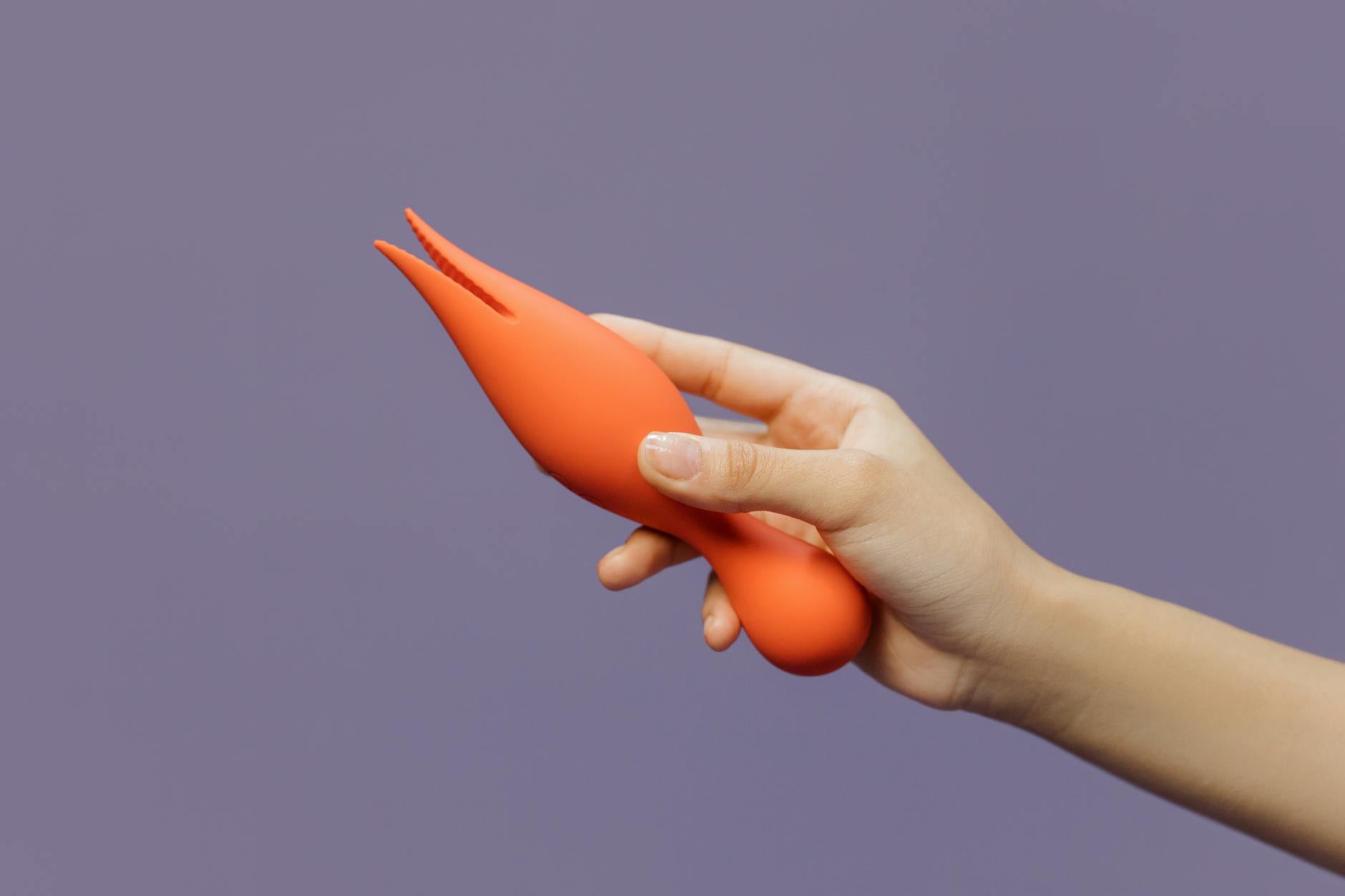
A lemon vibrator, with its unique suction mechanism, actually adapts beautifully to these shifts because it doesn't rely on direct friction the way traditional vibrators do. The suction principle works differently as tissue density changes.
The intensity recalibration
If you've been using the same vibrator setting for years and suddenly it feels wrong, your body likely changed, not the device.
Start by dropping back two to three power settings. If you've always used pattern 5 on your lemon vibrator, try pattern 2 or 3. This isn't a step backward. Your tissues are more sensitive to direct stimulation now, even if overall sensation feels duller. Suction works on a different principle than vibration, so the intensity curve is completely different.
Warm up longer. Build arousal for 15 to 25 minutes instead of 5 to 10. Your body needs more time to engorge the tissue, which means more time to get that full sensation. Rushing this is where people often feel disappointed. You're not broken. You just need more foreplay.
Pattern exploration
Most people stick with the same pattern for years because it works. When sensitivity shifts, that pattern often stops working. This is actually your opening to explore.
Try the slower, more rhythmic patterns first. If your lemon vibrator has an escalating pattern (one that builds gradually), start there instead of jumping to pulse mode. Your clitoris responds differently to sustained, building sensation than it does to sharp pulses as you age.
Some people find that gentler, longer pulses feel better than rapid ones. Others discover that slightly irregular patterns create more interest because they're harder to anticipate. Spend a week trying three different patterns. One will probably feel like it was designed for your current body.
The positioning shift
Direct clitoral contact might feel too intense now. Angle your lemon vibrator slightly so you're stimulating the side or the hood rather than the head. This is not cheating. This is listening to your body.
You might also find that a slightly different angle hits better than it used to. The clitoris sits at an angle that can shift slightly with age and pelvic floor changes. What was perfect positioning at 35 might need a micro-adjustment at 50. Spend time experimenting with angle variations.
Lubrication becomes essential
If clitoral sensation feels less intense, lubrication might seem optional. Actually, the opposite is true. As tissue thins, even microscopic friction becomes noticeable and sometimes uncomfortable. Water-based lube isn't just nice. It's a tool that lets you use your lemon vibrator longer without sensation fatigue or discomfort.
Use slightly more than you think you need. Reapply halfway through if you're going longer than 15 minutes. A good lube transforms the experience from "trying to make it work" to "this actually feels amazing."
Mental recalibration
Here's the part that's just as important as the mechanics. You've probably internalized some version of "this is how my pleasure works." Now it doesn't. That's genuinely disorienting.
Let go of the idea that your orgasms should look like they used to. They don't. They might be slower to build, more concentrated, less full-body, or actually more intense depending on your body. When you're navigating pleasure changes after medication or hormonal shifts, the first step is always accepting that your baseline has moved.
Most people report that once they stop comparing their current pleasure to their younger self, they actually enjoy it more. You're not performing anymore. You're just feeling.
What to watch for
If stimulation becomes genuinely painful (not just uncomfortable or different), talk to a doctor. Pain during pleasure isn't a sign of aging. It's a sign of something that needs attention. Genitourinary changes, nerve issues, or other medical factors can all show up as pain, and most are very treatable.
Dull sensation is one thing. Numbness or loss of sensation in one area is worth mentioning to a healthcare provider. Same with sudden changes in orgasm intensity or the ability to orgasm at all.
Partners and communication
If you're with a partner, this is a good time to have a straightforward conversation. Your body changed. Your technique needs to change too. That's not a failure. It's information.
Some partners respond beautifully to this. Others feel a little defensive ("Does that mean what we've been doing isn't working?"). Frame it clearly: "I want to explore some new patterns and techniques because my body has evolved. Want to experiment together?"
If you're using your lemon vibrator solo, there's no negotiation. You just get to play with what works. That's actually one of the underrated benefits of solo exploration at any age.
The pleasure often gets better
This isn't motivational fluff. I've observed this clinically enough times to believe it. People often report more satisfying orgasms after they adapt to these shifts. Why? Because the intensity isn't the point anymore. The specificity is.
At 25, pleasure is partly about intensity and novelty. At 45 or 55, it's often about precision and depth. Your lemon vibrator, with its focused suction, actually gets better at delivering that kind of pleasure as you learn exactly what works for your evolved body.
FAQ
How do I know if my sensitivity loss is normal aging or something else?
Normal aging is gradual. You notice it over months or years. Sudden changes in sensation, especially in a specific area, warrant a check with your doctor. Also consider: Did anything else change recently? New medication, stress, hormonal shifts, or relationship dynamics can all affect sensation. Narrow down the variable before assuming it's age.
Should I switch to a different vibrator as I age?
Not necessarily. A lemon vibrator's design actually works well across changing sensitivity because the suction mechanism is gentler and more adaptable than traditional vibration. What usually changes is your settings and technique, not the device itself. That said, if you've been using a toy designed for high intensity, it might be worth exploring something more versatile.
Can lubrication actually improve sensation?
Yes. Most people think lube only helps when there's dryness. Actually, the right lube can reduce friction in a way that lets you feel subtler sensations better. It also reduces fatigue, which means you can explore longer and notice more variation in what feels good.
Is it normal to need more time to orgasm now?
Completely. Blood flow and arousal build slower with age. Thirty minutes instead of ten isn't a problem. It's an invitation to slow down and pay attention to sensation rather than rushing to a finish line. Some people actually find this more pleasurable once they let go of the timing.
What if I'm with a partner and our sensitivities are now different?
Welcome to a very common situation. You each have your own evolved body. This is actually a great moment to stop assuming you know what your partner likes and start asking. Check out our guide on navigating different sensitivity levels with a partner for specific strategies.
Can I get sensitivity back?
Some of it, yes. Pelvic floor exercise, improved blood flow through movement, stress reduction, and sometimes hormonal support can all improve sensation. But also: you don't need to get back to your 25-year-old sensitivity to have excellent pleasure. Recalibration beats restoration.
The bigger picture
Your body is telling you something when sensitivity shifts. Listen. Adapt. Explore. Most people find that once they stop fighting the change and start working with it, pleasure becomes more intentional and often more satisfying. Your lemon vibrator, designed with precision in mind, is actually a great tool for that exploration. All you need to do is learn how to use it for the body you have now, not the one you had before.
Have questions about your specific situation? Get in touch with our team.