Burnout doesn't kill desire. It pauses it.
There's a difference between not wanting sex and not having the bandwidth to want it. Burnout is exhaustion so complete that even the thought of pleasure feels like another task on a list that's already drowning. Your nervous system isn't interested. Your brain is somewhere else. Your body feels like a borrowed thing.
Then, one day, something shifts. Maybe the pressure lifts. Maybe you take a break. Maybe you finally set a boundary that actually stuck. And suddenly, there's a whisper of something that feels like desire again. It's tentative. It might not last. But it's there.
Here's what you need to know about that return.
Why your body might feel strange even when desire comes back
Burnout doesn't just affect your mind. It lives in your nervous system, your muscles, your arousal patterns. For weeks or months, your body was in survival mode. Stress hormones like cortisol were running the show. Your parasympathetic nervous system (the part that handles rest, digestion, and arousal) was basically offline.
When you finally recover, your body doesn't automatically snap back to "normal." It's more like waking up from deep sleep. Sensation feels different. Your clitoris might feel less sensitive, or weirdly more sensitive. Your skin might crave touch differently than it used to. Orgasms might feel flatter, or they might hit different.Sensitivity changes after burnout are completely physical, not a sign that you're broken.
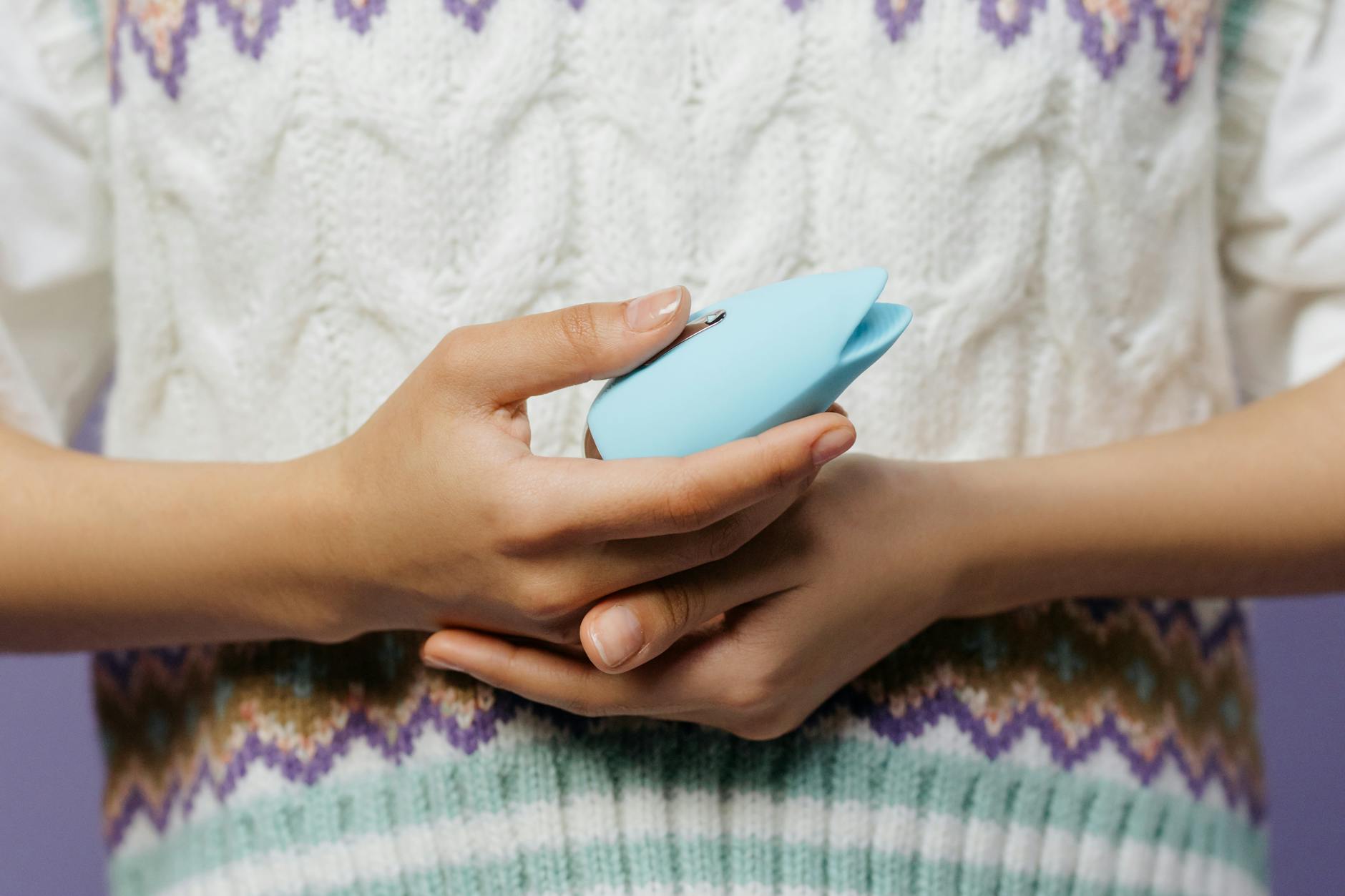
That's where a lemon clitoral vibrator comes in. Unlike other toys or methods, the suction-based stimulation of a device like the Lem works with your nervous system as it's resetting, not against it. It provides consistent, non-aggressive input. Your body isn't scrambling to figure out what it wants. The vibrator does the guessing work.
Three things that change when desire returns after burnout
Arousal takes longer. Your body isn't in a hurry. It's been in shutdown mode. Budget 20-30 minutes instead of expecting the old rhythm. This isn't sad. It's actually useful. Slower arousal means more time to be present, to check in with sensation, to catch what actually feels good.
Pleasure feels quieter at first. You might expect fireworks. Instead, you get soft pleasure. A gentle warmth instead of intensity. Many people panic and think something's wrong. Nothing's wrong. Your nervous system is building back trust. Meet it where it is. A lemon vibrator set to a lower pattern (patterns 1-3 on most settings) lets you ease in without overstimulation.
Orgasms might feel unfamiliar. They might come faster than you expect, or slower. They might feel concentrated in one spot instead of full-body. They might be quieter. All of this is normal as your nervous system rewires. And honestly? Some people say their first orgasm after burnout recovery is one of the most felt ones they've ever had.
The three-week protocol that actually works
If you're just getting your libido back and you want to rebuild without crashing again, follow this:
Week one: Solo touch only. Not even a vibrator yet. Warm bath, lotion, hands on your body. The goal is reconnection, not orgasm. You're asking your body, "Hey, I'm here. What do you want?" Twenty minutes. No pressure. Some days will feel flat. Some days will surprise you. Both are data.
Week two: Introduce the lemon vibrator on low patterns. Start at pattern 1 or 2. Spend 15 minutes exploring how the suction feels. You're not trying to come. You're learning what your clitoris wants right now. If nothing happens, that's fine. The point is sensation, not outcome.
Week three: Play with patterns and timing. Maybe pattern 2 feels better in the morning. Maybe you want 20 minutes of buildup before trying higher patterns. Maybe orgasm isn't the goal yet and that's completely okay. The lemon clitoral vibrator is designed to let you control the intensity at every step. That control matters when your nervous system is rebuilding trust.
Why lemon vibrators work better than expected for post-burnout recovery
Most vibrators rely on vibration speed and pressure. They need you to already be fairly aroused for them to feel good. With burnout recovery, your arousal is fragile and your sensitivity is unpredictable. The suction mechanism of a lemon vibrator works differently. It creates a rhythm that stimulates nerve endings without requiring friction or pressure.
That means two things happen. First, you feel pleasure at lower arousal levels. You don't need to be in full-go mode for the sensation to register. Second, you have granular control. A lemon clitoral vibrator like the Lem has distinct patterns and an easy way to start low and build. That's not a small thing when you're nervous about coming back too hard.
When to involve a partner
If you have a partner, here's the thing: don't tell them to wait for you to be ready. Tell them you're exploring something on your own for now. Make it clear that solo pleasure is part of your recovery, not preparation for partnered sex. Some people get weird about that. The ones worth keeping around understand that your nervous system needs to trust pleasure again before it can trust pleasure with someone else in the room.
When you do want a partner involved, the lemon vibrator can actually ease that transition. You're not relying on their ability to figure out what you want. You're using a tool you already know. That takes pressure off them and off you.
The burnout-to-pleasure timeline (realistic version)
Recovery isn't linear. Expect that some days your libido vanishes again. Maybe work stress spiked. Maybe you're tired. Burnout leaves your nervous system more vulnerable to stress for a while. That's not failure. It's how healing works.
Most people report that after about six weeks of consistent solo exploration with their lemon vibrator, pleasure starts to feel less fragile. After three months, it usually feels sustainable. After six months, many say it feels better than before because they actually know what their body wants now instead of just running on autopilot.
That timeline assumes you're also handling the burnout itself. You can't vibrator your way out of a broken schedule or an unsustainable workload. The pleasure part is real and valuable, but it's half the equation. The other half is actually changing the conditions that burned you out in the first place.
What to do if desire doesn't return as expected
Sometimes recovery takes longer. Sometimes the nervous system has deeper things to untangle. If it's been more than three months and desire still feels completely offline, it's worth talking to a therapist who understands trauma and burnout. They can help you figure out if there's something underneath the burnout that needs attention.
You can also talk to your GP. Sometimes burnout happens alongside depression, and sometimes addressing one doesn't fix the other. That's not weakness. That's just bodies being complicated.
FAQ: Desire, burnout, and rediscovering pleasure
What if I try using a lemon clitoral vibrator and nothing happens?
Nothing happening is information, not failure. Your nervous system is telling you it's not ready for that input yet. Go back to week one. Spend more time with hands-on touch. The vibrator isn't going anywhere. Some bodies need four weeks of gentle reconnection before a toy feels good. Some need eight. There's no timer.
Can I use a lemon vibrator while still feeling burned out?
Yes, but manage expectations. Burnout usually means your pleasure capacity is genuinely lower, not that it's gone forever. A lemon vibrator can be a low-pressure way to check in with your body, but it's not a treatment for burnout itself. The recovery part requires actually reducing stress, not just adding a vibrator to an unsustainable schedule.
Should I tell my partner I'm using a lemon vibrator to rebuild desire?
That depends on your relationship and your comfort. If you have a partner and you want to rebuild partnered sex, transparency eventually helps. But you don't owe them real-time updates. "I'm doing some solo exploration for my own recovery" is enough. If they push for details or make it weird, that's useful information about them.
How do I know if my desire is coming back or if I'm just forcing it?
Desire coming back feels small and soft at first. You might suddenly notice someone attractive. You might want to take a bath and touch yourself. You might feel a flutter when your partner hugs you. Forcing it feels effortful and joyless. If you're using a lemon vibrator and it feels like a task on a to-do list, pause. The pressure is counterproductive. Real desire rebuilds when you remove pressure, not add it.
Is it normal for orgasms to feel different after burnout recovery?
Completely normal. Your nervous system is literally rewiring. Orgasms after burnout can feel sharper, softer, faster, slower, or just weirdly different than before. None of those are wrong. Your body isn't broken. It's just recalibrating. Give it time to find its new rhythm.
What if my partner has higher desire than me during recovery?
This is real and it's hard. You can't manufacture desire on their timeline. What you can do is communicate clearly about what's happening. "My nervous system is recovering and that takes time" is true. "I want to rebuild this alone for a bit" is fair. And "I'll let you know when I'm ready to include you" matters. If they can't respect that timeline, that's something to address with them or with a couples therapist.
Coming back to pleasure takes what it takes
Burnout doesn't just pause desire. It can make you doubt whether desire will ever come back at all. It will. Your body wants pleasure. Your nervous system wants to feel safe again. A lemon clitoral vibrator gives you a tool to explore that return at your own pace, without pressure or performance.
The recovery isn't about getting back to how things were. It's about learning your body again from the ground up. That's actually an opportunity. Most people never get to slow down enough to know what they actually want. Burnout forces that slowness on you. Use a lemon vibrator to turn it into something that serves you. And if you want support navigating the emotional pieces alongside the physical recovery, that's what counseling is for. You don't have to do this alone.
Reach out if you want guidance on rebuilding intimacy after burnout. We're here to help.