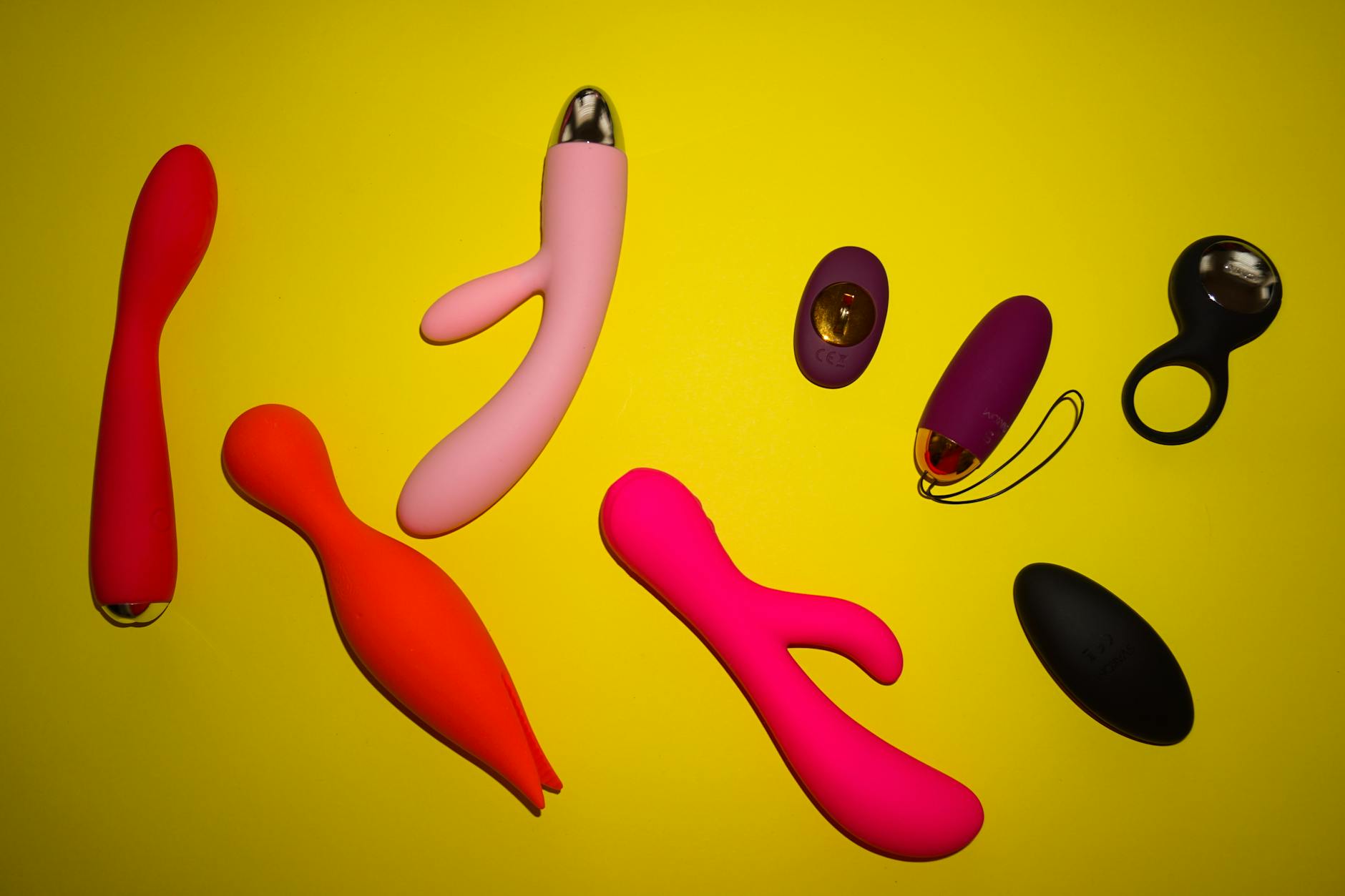
The disconnect that feels like a trap
Here's the thing nobody warns you about: you can have an orgasm and feel completely empty afterward. Your body might respond exactly as it should, your clitoral vibrator might work perfectly, and yet there's this hollow feeling that lingers. It's not a physical problem. It's an emotional one wearing a sexual disguise.
This happens more often than you'd think. And it's not a sign something is broken. It's usually a signal that something deeper needs attention.
Why pleasure and emotion get out of sync
Your nervous system doesn't distinguish between physical stimulation and emotional safety. Arousal requires both. When one is missing, your brain registers the experience as incomplete, even if the physical sensation was intense.
Three common causes show up in my practice:
Relational strain. You're with a partner (or reconnecting with yourself after a breakup) but the emotional trust has fractured. The body says yes. The heart says I'm not sure. This friction creates a sensation without satisfaction.
Grief or loss taking up mental space. You're trying to access pleasure while carrying something heavy. Your nervous system is partially locked in protection mode, which means arousal feels performative rather than genuine.
Disconnection from your own body. After stress, trauma, or periods of numbness, the pathways between sensation and emotion can feel severed. You can feel physical pleasure without it registering as meaningful.
How a lemon vibrator can actually help rebuild that bridge
This might sound counterintuitive. If the problem is emotional, why use a device?
Because pleasure is a skill you practice, not a mood you wait for. A clitoral vibrator like the Lem gives you something concrete to focus on. It removes the pressure of performance or reciprocity. It's just you, intentional stimulation, and the choice to feel.
Here's the practical pathway: when you use a lemon sucker or any quality clitoral vibrator with the explicit goal of reconnecting with your own sensation (not chasing an orgasm), something shifts. You're training your nervous system to associate stimulation with safety again.
Starting the reconnection practice
Set aside 20-30 minutes when you won't be interrupted. This is non-negotiable. Interruption kills the entire point.
Begin without the vibrator. Lie down, breathe slowly, and notice what your body is telling you. Not to fix it. Just to listen. What sensations are present? What's tense? What feels numb? Spend five minutes here. This primes your nervous system for presence.
Then introduce your lemon vibrator. Start at the lowest setting. Move slowly. The goal isn't arousal yet. It's sensation. You're asking your body: can you feel this? Can you stay with this feeling?
Notice the impulse to rush toward orgasm. Let it pass. Speed is the enemy of reconnection. If your mind wanders to stress, work, or relationship strain, gently return to physical sensation. Not harshly. The way you'd redirect a child's attention: kindly, persistently.
What happens when emotions still feel blocked
If you're following this practice and still feel hollow afterward, the block is probably not sexual. It's relational or existential.
If you're in a partnership, this is a conversation worth having directly. "My body responds but I'm not feeling emotionally connected during sex." That statement opens a different dialogue than "Something is wrong with my desire." The first is about the relationship. The second sounds like a personal failure.
If you're solo and the disconnection lingers, grief or unprocessed stress might be sitting underneath. A Hallonancys lemon clitoral vibrator is a brilliant tool, but it's not therapy. If the emotional gap feels wide, talking to someone trained to help (a therapist, a couples counselor, even a trusted friend) is the actual next step.
The role of presence over orgasm
I want to reframe something: you don't need to fix the disconnection through sex itself. You need to restore the connection between your body and your emotional awareness. Sex is just one place that connection happens.
When you're using a clitoral vibrator intentionally (not desperately), you're practicing presence. You're telling your nervous system: I'm safe enough to feel. I'm worth the time. That message ripples outward. It changes how you show up in relationships. It changes what you'll tolerate. It changes whether disconnected pleasure feels acceptable anymore.
The lemon vibrator is the container. The reconnection is the work inside it.
When to pause and reassess
If using any adult toy (a lemon sucker, a clitoral vibrator, whatever you choose) consistently triggers pain, numbness, or an intensified sense of disconnection, stop and check in with yourself. Ask: Is my nervous system actually ready for this right now? Sometimes the answer is no, and that's information you need.
A relationship coach or sex therapist can help you distinguish between "I need to build a new pattern" and "I'm pushing myself too hard." Both are valid. But they need different approaches.
FAQ: Pleasure, emotion, and reconnection
Why does my body respond if I'm not emotionally present?
Your body and emotions run on different timelines. Physical arousal can happen through stimulus alone. But sustainable, satisfying pleasure integrates both. When they're separated, the experience feels incomplete even if it's technically "successful."
Can a lemon clitoral vibrator help me feel more during sex with a partner?
Absolutely. When you practice presence and sensation alone (with a tool like the Lem or another quality clitoral vibrator), you rebuild the neural pathways for feeling. That skill transfers. You become more present with a partner because you've practiced it solo.
Is disconnected pleasure a sign my relationship is over?
Not necessarily. It's a sign something needs attention. Sometimes that's a conversation. Sometimes it's therapy. Sometimes it's both. But disconnection during sex is rarely random. It's your nervous system telling you something true.
How long does it take to feel reconnected again?
Depends on what caused the disconnection. Grief might take months. Relational strain might shift in weeks once you address it directly. There's no timeline. The practice itself (using intentional stimulation, staying present) is the healing, not a means to an end date.
Should I tell my partner I'm using a lemon vibrator for emotional reconnection?
That depends on your dynamic. If you're working on rebuilding connection in the relationship, transparency usually helps. If you're solo, this is entirely for you. In either case, the practice itself is more important than the announcement of it.
What if reconnection feels too hard to do alone?
Then don't do it alone. A therapist, a couples counselor, or even a close friend you trust can help you identify what's actually under the disconnection. The lemon clitoral vibrator is one tool. Professional support is another. Both matter.
The path forward
Disconnected pleasure isn't a failure of your body or your desire. It's your nervous system being honest about what it needs. When you listen to that signal and respond with intention (whether that's through solo practice with a quality clitoral vibrator, a difficult conversation with a partner, or actual therapy), you're not fixing something broken. You're rebuilding something real.
Your pleasure deserves to be whole. Not just physical. Not just emotional. Both. And the reconnection starts with the choice to show up for yourself fully, even when it feels unfamiliar.
If you're ready to explore this work more deeply, reach out. Whether you need guidance on how to use a lemon sexual toy intentionally, or you need to talk through the relational piece, I'm here.