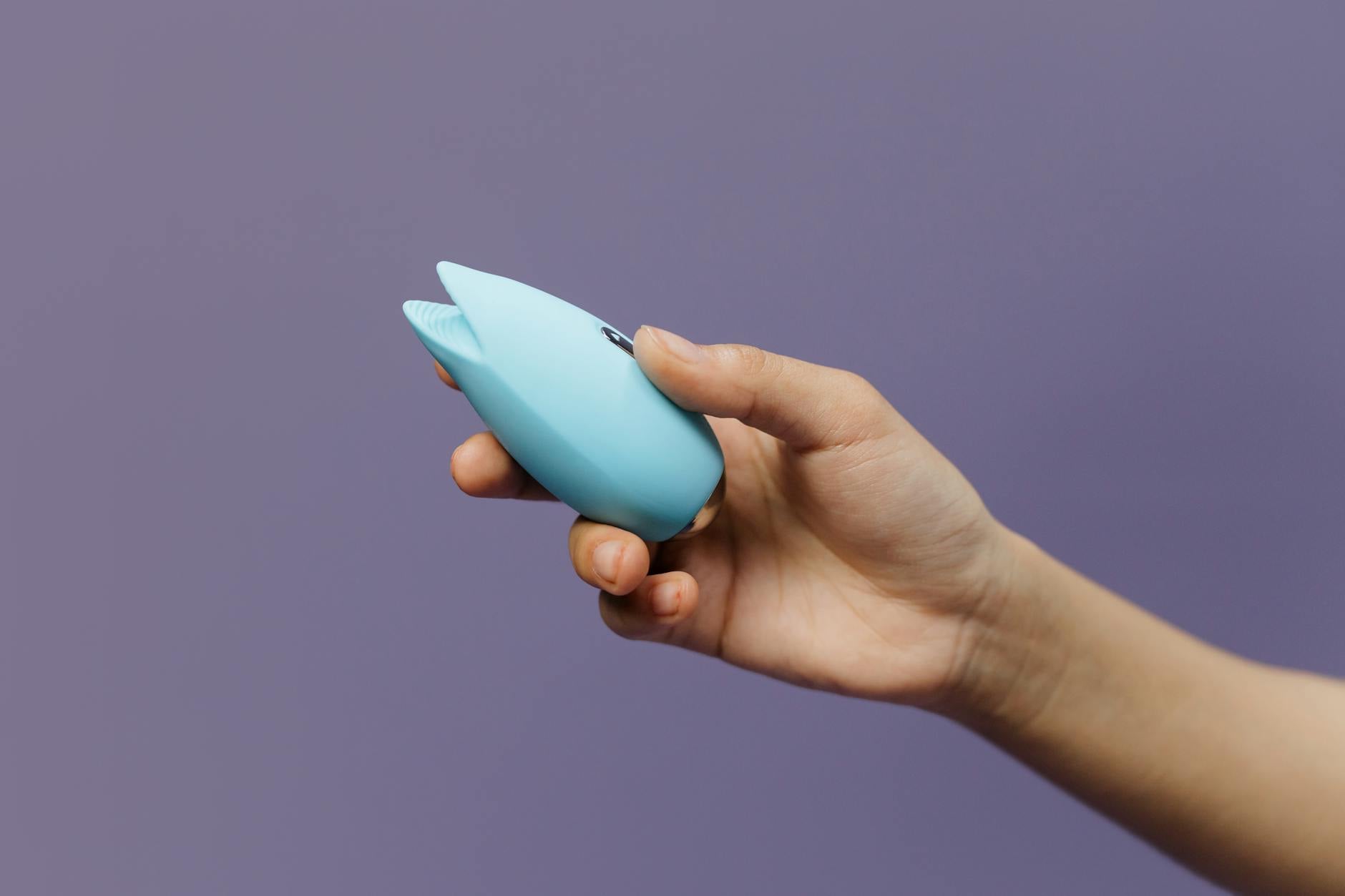
Let's talk about the timeline nobody mentions
You cleared surgery. You got the all-clear from your surgeon to resume sexual activity. But when you actually try? Nothing feels like it used to. Or worse, nothing feels like much of anything at all. And suddenly you're panicking that the wires got cut, the nerves got scrambled, or you've permanently broken something that was working fine before.
Here's the thing: you probably haven't. What's happening is that your nervous system took a hit. Physical healing and sexual healing move at different speeds, and nobody warns you about that gap.
Why sensation takes longer than you think
When you have major surgery, especially anything near the abdomen, pelvis, or lower body, the surgical team isn't just cutting through skin. They're navigating around nerves, disrupting blood flow, and triggering an inflammatory response that affects your entire system.
Your surgeon will clear you for "normal activity" when the incision is closed and infection risk is low. That typically takes 4 to 6 weeks. But your nervous system doesn't operate on that timeline. Nerve endings that were irritated by the surgery need time to calm down. Inflammation takes months to fully resolve. Blood flow, which directly affects arousal capacity, rebuilds gradually.
I've worked with dozens of people navigating post-surgical intimacy, and the pattern is always the same. They clear surgery, they try sex, they feel almost nothing, and they assume it's permanent. It usually isn't. But the anxiety around that assumption makes things worse.
The anxiety layer that makes recovery harder
Here's where it gets tricky. Post-surgical numbness or reduced sensation triggers fear. And fear tightens everything. Your pelvic floor tenses. Your nervous system stays in alert mode. You stop producing lubrication. What started as a temporary nerve response becomes a self-reinforcing cycle.
I recommend separating two conversations early: "My body is still healing" and "Is something wrong with my desire or capacity?" They're different problems with different timelines. Conflating them usually means both get stuck.
If you're working with a partner during recovery, that conversation becomes even more critical. Your partner's job right now is not to take the lack of sensation personally. Their job is to become your witness while you rediscover what works.
Why a lemon vibrator can help restart sensation
A lemon clitoral vibrator works through suction and gentle stimulation, not blunt pressure. That matters enormously during post-surgical recovery.
When sensation is dulled, direct vibration often doesn't register. The nerves aren't responding yet. But suction engages a different set of nerve pathways. It creates a gentler, broader stimulus that can reach nerves that aren't fully responsive yet. The Lem, specifically, uses air-pulse technology that mimics oral sensation without the intensity of a traditional vibrator.
This is not a replacement for your surgeon's clearance. Get that in writing. But once you have it, a tool designed for sensitive or slow-to-respond tissues can actually accelerate the sensation reconnection process.
The practical starting point
Wait until you're cleared by your surgeon, obviously. Once you are, here's how I'd approach it:
Start alone. Not because partner-assisted exploration is bad, but because you need to know what your body can feel before you're managing another person's expectations too. Solo exploration removes the performance pressure.
Use water-based lube, even if you don't think you need it. Post-surgical tissue is often thinner, more fragile, and slower to lubricate naturally. Lube isn't an admission of failure. It's a support tool.
Begin on the lowest setting. The Lem's first or second pattern. You're not looking for orgasm. You're looking for sensation. Can you feel the air pulse? Does it create a warm, tingly feeling? Does it build gradually? That's the win, not climax.
Give yourself 10 to 15 minutes maximum. Surgery recovery is exhausting. Your nervous system is working overtime to heal. If nothing's happening after 15 minutes, stop. Try again in a day or two.
Track what's changing, even small shifts. This week, maybe you felt a tingling. Next week, maybe there's a slight warmth. The week after, maybe arousal actually builds a little. These micro-shifts are how you know healing is happening.
When sensation comes back (and what it might feel like)
For most people, sensation returns in layers, not all at once.
First, usually, is peripheral feeling. You notice the vibration on the external tissue, but it doesn't trigger much deeper response. That's normal. Keep going.
Next often comes a warm, building sensation. Not necessarily arousal yet. Just increasing bloodflow. This can take weeks.
Then arousal proper. This looks different post-surgery for some people. It might feel more focused than it used to. It might take longer to build. It might plateau at a different level. None of those things are permanent. Your baseline will settle over the next few months.
Finally, and this takes the longest, is the confidence to let go and orgasm. Many people recover sensation before they recover the trust that their body will actually follow through. That's a nervous system thing, not a physical thing. It needs time.
The patience part (which nobody likes but everyone needs)
If you're frustrated three weeks post-surgery, that's understandable and normal. If you're frustrated three months post-surgery, that's also understandable. But it might be time to check in with a therapist who specializes in post-surgical recovery or sexual health.
There's a difference between "my body is still healing" and "I've developed anxiety around sexual touch that's slowing healing." A trained professional can help you distinguish. Sometimes what feels like a physical problem is actually an emotional one wearing a physical disguise.
Your surgeon can also help. Post-surgical numbness or sensation loss that hasn't improved significantly after 8 to 12 weeks warrants a follow-up. Nerve regeneration can sometimes be accelerated with targeted physical therapy or other interventions.
When you're rebuilding with a partner
If you're in a relationship, the conversation that matters most is: "What does pleasure look like for me right now, and how do we explore that together without either of us feeling like we're waiting for something?"
Many couples try to recreate pre-surgery intimacy immediately. That's a recipe for disappointment. What works now is different. Some partners actually find that post-surgical slowness reopens communication that had become routine. That's not a silver lining. It's just a different path that sometimes has value.
The lemon vibrator can be a shared tool if that feels right. Your partner can be present without needing to do anything. Their presence is the support. The vibrator is the tool.
The longer view
Most people recover full sensation within 3 to 6 months. Some take longer. A few find that sensation stabilizes at a slightly different baseline than before, and that becomes their new normal. That's also fine.
What matters right now is giving yourself permission to heal at whatever pace your nervous system actually needs, not the pace you think you should be on. A lemon clitoral vibrator, combined with patience and honest communication with your body, can help bridge that gap.
Your pleasure matters. And it will come back. Just maybe not on the timeline you expected.
People also ask
How long after surgery can I use a vibrator?
Wait for your surgeon's explicit clearance to resume sexual activity, typically 4 to 6 weeks post-op. Once cleared, you can begin slowly with a lemon vibrator. Start on the lowest setting and keep sessions short (10 to 15 minutes). If you experience pain, bleeding, or increased discharge, stop and contact your surgeon. Sensation recovery is gradual; you're not looking for orgasm in early sessions, just reconnecting with what your body can feel.
Why does everything feel numb after surgery?
Surgery irritates nerve endings and disrupts blood flow to the area. Inflammation from the procedure reduces nerve sensitivity temporarily. Most people regain sensation gradually over weeks to months as the inflammatory response resolves and nerve endings calm down. If numbness persists significantly beyond 3 months, follow up with your surgeon, as targeted interventions like physical therapy can help.
Can a lemon vibrator help restore sensation faster?
Yes, potentially. Lemon clitoral vibrators use air-pulse suction technology that engages different nerve pathways than traditional vibrators. The gentler, broader stimulus can help rewaken sensation that's dulled or muted. This is especially helpful because the suction doesn't require strong direct pressure, which may feel uncomfortable on post-surgical tissue. Consistency matters more than intensity; regular gentle exploration accelerates nervous system recovery.
Is it normal for arousal to feel different after surgery?
Completely normal. Surgery can shift how arousal builds, how intense it feels, and what pattern triggers it. Some people find arousal takes longer to develop. Others find their peak sensation is slightly different. These changes usually settle within 3 to 6 months, though for some people a slightly different baseline becomes the new normal. That doesn't mean anything is broken; it just means your system recalibrated.
What if sensation doesn't return after several months?
If sensation hasn't noticeably improved 8 to 12 weeks post-surgery, schedule a follow-up with your surgeon. Persistent numbness can sometimes respond to targeted physical therapy or other interventions. It's also worth connecting with a therapist who specializes in post-surgical sexual recovery, as sometimes anxiety about the lack of sensation is slowing nervous system recovery. Professional support on both fronts helps.
Can my partner help during recovery?
Absolutely. Their role is presence without pressure. If you're exploring together with a lemon vibrator, your partner can be there while you focus on sensation without needing to do anything specific. Clear communication matters most: "This is about me reconnecting, not about us recreating what we had before." That distinction removes performance pressure and often rebuilds intimacy faster than trying to force things back to normal.
Final thought
Surgery interrupts pleasure temporarily. It doesn't end it. A lemon clitoral vibrator, used patiently and with realistic expectations, can help bridge that gap while your nervous system heals. Trust the timeline. Your body knows what it's doing, even when it doesn't feel like it.