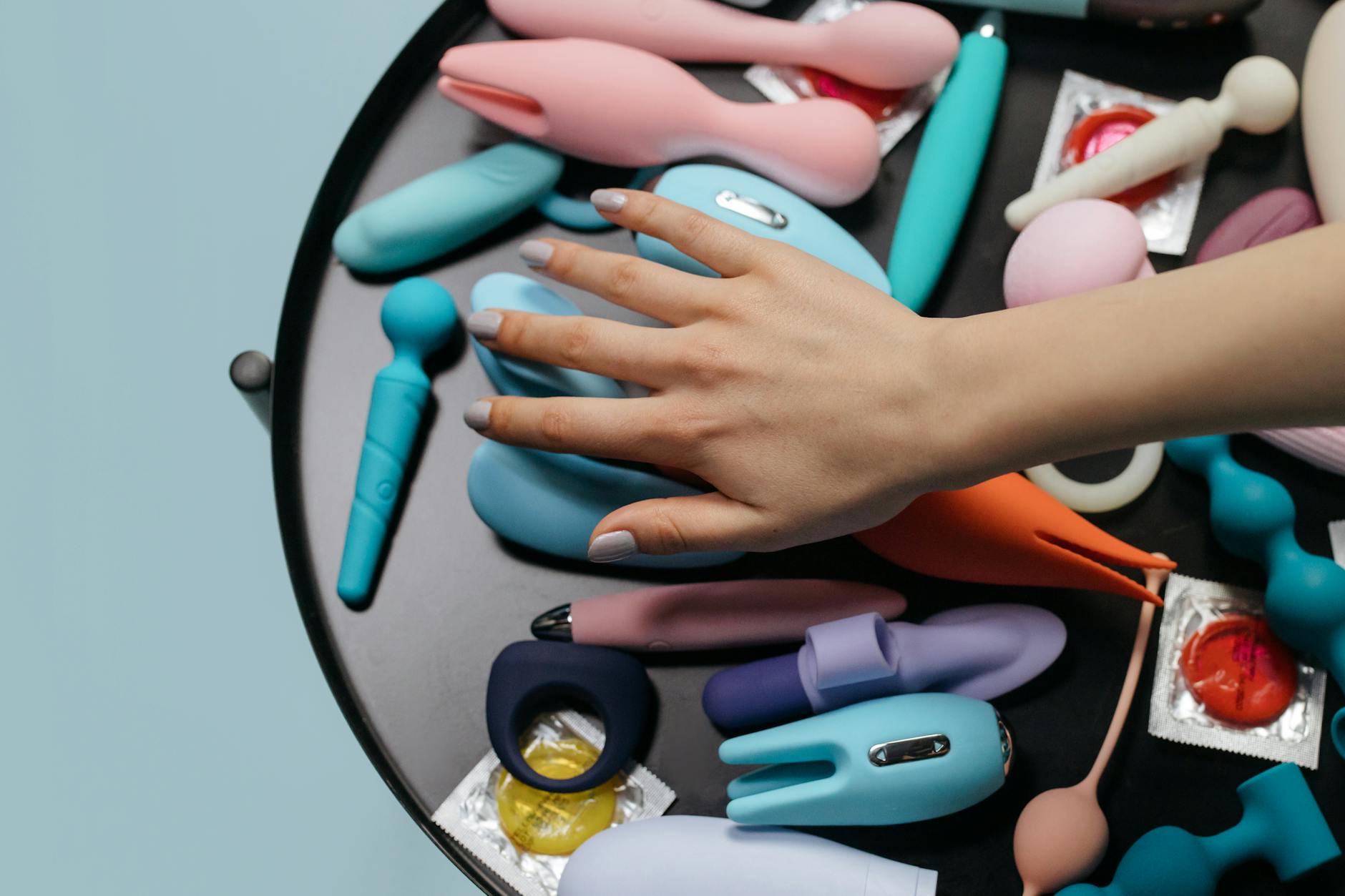
The honest part nobody talks about
Hormone therapy rewires pleasure. Not in a bad way. But in a way that catches most people off guard, because everyone focuses on the emotional shifts and nobody discusses what happens to sensation itself.
When you start, pause, or adjust hormone therapy, your tissue composition changes. Blood flow patterns shift. Nerve sensitivity recalibrates. The things that worked before might feel different now. Stronger, sometimes. Duller, sometimes. Off in some new direction entirely. This is completely normal. It's also completely fixable once you understand what's happening and adjust your tools.
That's where a lemon clitoral vibrator comes in. Specifically, how to use one when your body is in transition.
What hormone therapy actually does to sensation
Let's separate the facts from the fiction. Hormone therapy affects your body in three main ways that directly change pleasure.
First: tissue changes. Estrogen thickens vaginal tissue and increases natural lubrication. When estrogen levels drop or shift (whether through stopping HRT, adjusting dosage, or transitioning off), tissue becomes thinner and drier. When estrogen rises (starting HRT, increasing dosage), tissue swells slightly and sensitivity can increase. This is structural. It's not psychological.
Second: blood flow. Hormones control vascularity. How much blood flows to your genitals during arousal, and how fast it gets there, is hormone-dependent. Less estrogen can mean slower arousal. More estrogen can mean faster response, or sometimes oversensitivity. This affects how quickly you reach arousal, how intense it feels, and how long it lasts.
Third: nerve sensitivity. This one surprises people. Hormones don't just affect the equipment. They affect the nervous system's ability to transmit sensation. Some people report that direct clitoral touch feels too sharp or uncomfortable post-therapy adjustment. Others report that sensation becomes duller and requires more intense stimulation. Both are hormone-driven changes to nerve signaling, not permanent damage.
Here's what doesn't change: your capacity for orgasm. Your brain's pleasure circuits. Your desire (that's mostly about dopamine, not estrogen).
Why a lemon vibrator works when hormones shift
A lemon clitoral vibrator, or lem vibrator, uses suction and pulse rather than direct vibration. This matters hugely during hormone transition. Here's why.
Direct vibration works best when tissues are resilient and can handle sustained, direct mechanical pressure. When tissue is thinner or more sensitive from hormone shifts, sustained pressure can feel uncomfortable or even painful. Suction works differently. It stimulates through gentle pulling and releasing, creating a chain reaction in your nervous system that feels less dependent on tissue thickness and more focused on nerve stimulation.
Think of it like this: direct vibration is knocking on the door. Suction is turning a dial. During hormone transition, your nervous system responds better to the dial than the knock.
Additionally, lemon sexual toys designed with suction technology usually have intensity settings. When you're adjusting to new hormone levels, that gradation matters. You can start at setting 1 and work up as your body recalibrates, rather than being locked into one vibration pattern.
The practical adjustment: starting small
If you've used a lemon vibrator before hormone therapy changes and now it feels different, don't panic. Your body isn't broken. You're just starting from a new baseline.
Start at the lowest setting. I know it sounds obvious, but most people skip this step because they've "done this before." Hormone shifts reset your baseline. That lowest setting might feel stronger than you remember, or weaker, or just strange. Spend at least three sessions exploring that setting before moving up. Your nervous system needs time to recalibrate its expectations.
Give yourself 15 to 25 minutes per session. Arousal during hormone transition often takes longer to build. This isn't a problem. It's information. Your body is telling you that it needs more warm-up time, and honoring that is how you rebuild pleasure effectively.
Use water-based lubricant even if you've never needed it before. Hormone shifts can reduce natural lubrication, and adding lube isn't failure. It's adjustment. Lemon adult toys are silicone-based, so stick to water-based lubricants to protect the material.
The mental piece that matters as much as the physical
Hormone therapy changes your brain chemistry, not just your body. This affects arousal in ways that feel psychological but have biochemical roots.
Many people report that during hormone transition, they feel disconnected from their body or their sexuality. This can look like low desire, difficulty concentrating during sex, or feeling "numb" even when physical sensation is intact. These aren't character flaws. They're hormone-related shifts in dopamine, oxytocin, and serotonin.
Using a lemon clitoral vibrator becomes a way to rebuild that connection intentionally. Set aside time specifically for pleasure. Not performance, not partnering, not proving anything. Just you and sensation, starting from where you actually are.
Remove the expectation that you'll reach orgasm quickly or intensely. During hormone transition, your orgasm might feel different, arrive later, feel less intense, or surprise you with sudden intensity. All of that is temporary recalibration, not permanent change. Release the expectation and you free up the bandwidth to actually feel what's there.
When to use settings and patterns
Most lemon sexual toys have multiple intensity levels and patterns. During hormone transition, resist the urge to chase intensity. Start with steady pulse at the lowest setting. Your nervous system will recalibrate faster if you're consistent with one pattern rather than jumping around.
After a few sessions at level 1, try level 2. Notice the difference. Some people find that during hormone transition, they suddenly prefer patterns over steady pulse, or vice versa. Let your body show you what works now. Your preferences might shift again as your hormones stabilize.
If you've been using a lemon vibrator for years, you might feel bored by starting low. Don't. This period of rediscovery is actually your nervous system rewiring itself. That boredom is impatience, not a sign that something's wrong.
When to pause and reassess
If something feels actively painful, stop. Hormone transition can sometimes unmask or exacerbate underlying conditions like vulvodynia or vaginismus. Pain during stimulation isn't something to push through. It's a signal to talk to your doctor.
If desire has completely disappeared and it's been more than eight weeks into hormone therapy adjustment, that's also worth mentioning to your healthcare provider. Sometimes hormone dosages need tweaking. Sometimes additional support helps.
But if something just feels different, unfamiliar, slower, or weaker? That's exactly what you'd expect during hormone transition. Keep going. Your body will find its way to new pleasure.
The timeline to expect
Hormone therapy changes take time to stabilize. Your body needs roughly 12 weeks to recalibrate on a new hormone regimen. For the first four weeks, everything feels like first contact. Tissue, blood flow, and nerve sensitivity are all shifting.
Weeks 5 through 8, your body starts learning the new normal. Sensation might sharpen or dull during this period, sometimes day to day. This is your nervous system adapting.
Weeks 9 through 12, things usually stabilize. Your preferences become clearer. Your arousal pattern settles into something predictable again.
That doesn't mean you need to wait 12 weeks to explore pleasure. But it does mean the first 12 weeks are a process, not a destination. Using a lemon clitoral vibrator during this time is less about achieving the same pleasure you had before and more about meeting your body where it is now.
A note on partnered pleasure
If you have a partner, they need to understand that this isn't about them or about your attraction. Hormone therapy is a physiological change that affects sensation, not desire for them. Many partners misinterpret slower arousal or different pleasure patterns as rejection. It isn't.
Sharing this with your partner helps. "My body is recalibrating from hormone therapy. That means arousal might be slower and feel different. It has nothing to do with how attracted I am to you." Then maybe show them what you're learning. If you're rebuilding pleasure with a lemon vibrator, that can be something you explore together, or something that's just for you. Both approaches are valid.
The key is separating your hormone transition from your relationship dynamics. Hormone therapy is about your body. Your relationship is about connection. Keep those conversations distinct.
FAQ: Lemon vibrators and hormone transition
Can I use a regular vibrator during hormone therapy adjustment instead of a suction toy?
You can, but suction-based toys like the Lem vibrator tend to work better during hormone transition because they don't require tissue resilience the way direct vibrators do. If you already have a regular vibrator and want to try it, start at the lowest setting and pay attention to how your tissue responds. Pain or sharp discomfort is a sign to switch approaches.
How often should I use my lemon vibrator while my hormones are adjusting?
Three to five times per week is ideal. This gives your nervous system consistent input without overdoing it. If you use it once a month, the recalibration process takes longer. If you use it every day, you might create pressure or performance anxiety. Three to five times per week hits the sweet spot for nervous system adaptation.
Will my pleasure come back the same as before hormone therapy?
Not identical, but often better. Many people report that post-hormone adjustment, their pleasure feels different but more nuanced. What you gain is better understanding of your own body and what actually works for you now. That's worth the transition period.
Is it normal for my orgasms to feel weaker during hormone therapy adjustment?
Completely normal. Orgasm intensity depends on tissue quality, blood flow, and nerve sensitivity. All three shift during hormone therapy. Your orgasms might feel weaker temporarily, but they usually strengthen again as your body stabilizes. Give it 12 weeks before worrying.
Should I tell my doctor I'm using a lemon clitoral vibrator during hormone therapy transition?
If you're experiencing pain or significant changes in sensation, yes. It's relevant clinical information. If you're just exploring pleasure during transition and everything feels fine, you don't need to mention it unless you're asking about lubricant recommendations or other sex-related adjustments. Your doctor wants you to have pleasure. They get it.
Can hormone therapy make me permanently numb to sensation?
No. Numbness during hormone transition is temporary recalibration, not permanent nerve damage. Once your hormones stabilize, sensation returns and usually improves. The timeline varies, but persistent numbness after 16 weeks warrants a conversation with your doctor to rule out other causes.
Moving forward
Hormone therapy is a season, not a permanent state. Your body is adjusting to new chemical baseline. That adjustment period is uncomfortable sometimes, confusing often, and temporary always. Using a lemon vibrator during this time isn't a workaround. It's active recovery. You're teaching your nervous system how to feel pleasure again from this new starting point. That's powerful work. Give it the time and attention it deserves. Your pleasure on the other side will thank you.
If you're navigating hormone therapy and want support beyond this article, reach out to us at Hallonancys. We're here to help you find what works for your body right now.