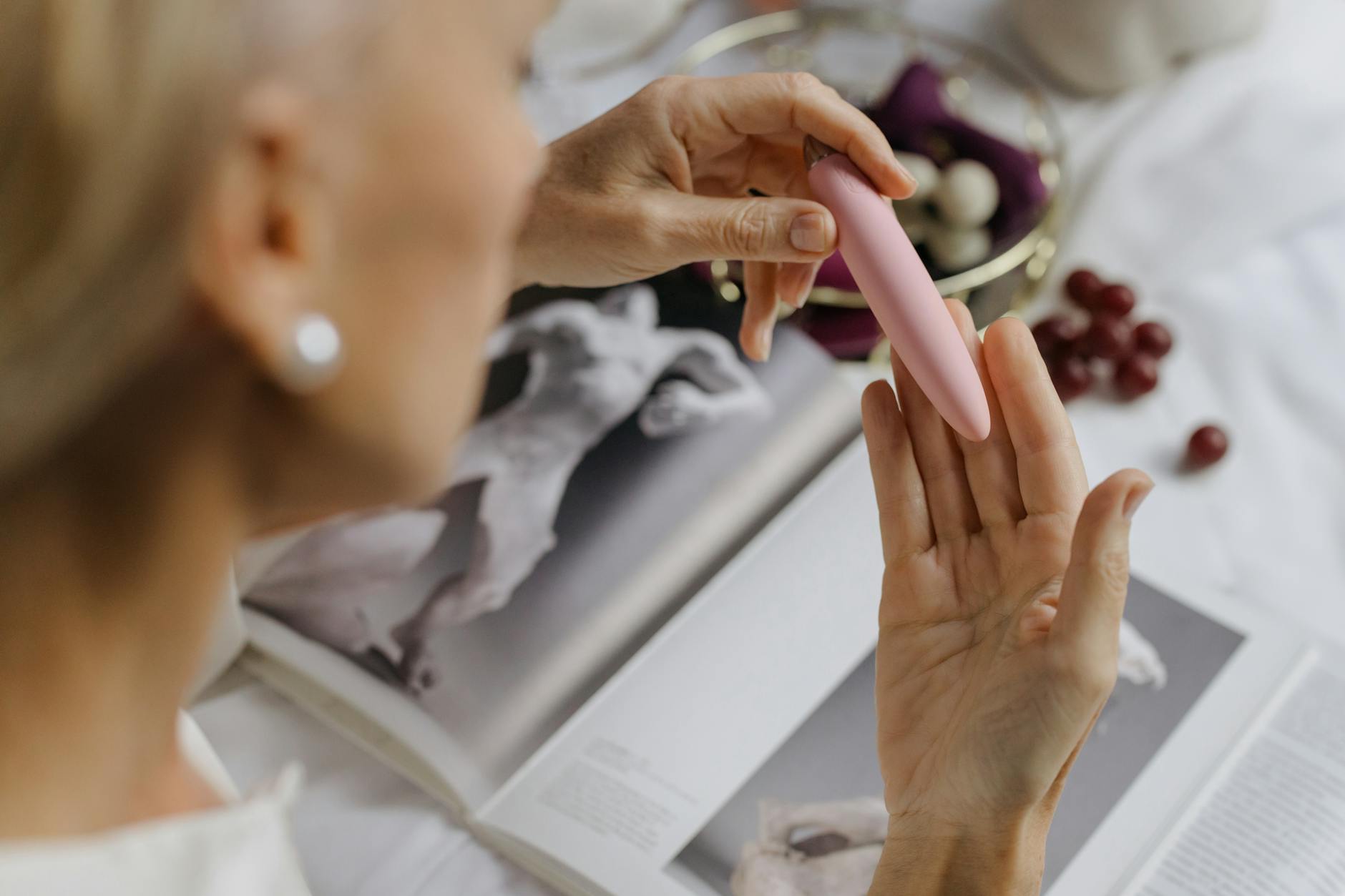
How pelvic tension kills sensation
Here's what most people don't realize: your pelvic floor is a muscle. Like any muscle under chronic tension, it gets tired, loses circulation, and stops sending clear signals to your brain. The result feels like numbness, disconnection, or a muted response to touch that would normally spark pleasure.
Pelvic floor tension isn't always obvious. It sneaks in through stress, posture, trauma history, or sometimes no identifiable cause at all. You might notice it as tightness during sex, pain, or just a persistent sense that your body isn't responding the way it used to. The nerve endings are still there. The capacity for sensation hasn't vanished. What's happened is that tight muscles have essentially turned down the volume on all incoming signals.
Why sensation numbness is fixable
The good news is that this is one of the most reversible pleasure problems. Unlike some physiological changes, pelvic tension responds to specific, gentle interventions. The lemon clitoral vibrator becomes part of that toolkit, but only if you use it strategically. Random buzzing over numb tissue won't help. Intentional stimulation paired with pelvic floor awareness will.
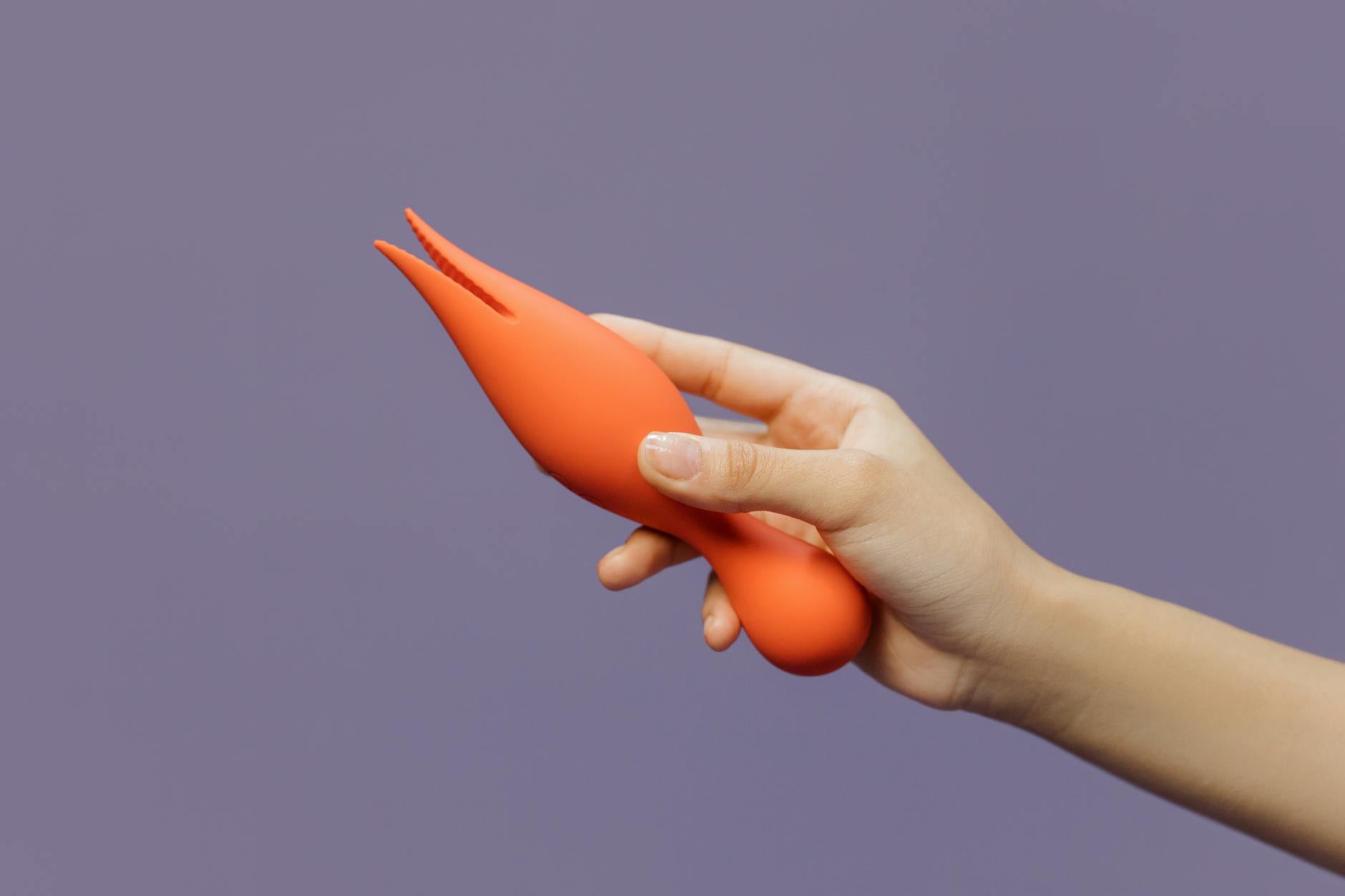
Photo by cottonbro studio on Pexels
Step one: Release tension before stimulation
Don't start with the vibrator. That's the mistake I see most often. Jumping straight to stimulation when your pelvic floor is locked down is like trying to stretch a muscle that's already clenched. It won't work, and it might create a protective reflex that makes things worse.
Instead, spend 5-10 minutes on gentle release first.
Breathwork: Lie on your back, knees bent, feet flat. Inhale through your nose for a count of four. On the exhale, consciously relax your pelvic floor, as if you're releasing the muscles around your whole center. Don't force it. Just invite softness. Repeat for 8-10 breaths. This single technique activates your parasympathetic nervous system and tells your pelvic floor it's safe to let go.
Light external massage: Use your fingertips or a massage ball to gently circle the inner thighs, perineum, and lower abdomen. No pressure. This increases blood flow and helps your nervous system recognize that gentle touch is okay. Aim for a pressure you'd use on a bruise. Softer than that feels unreal to a tense body.
Pelvic floor breathing: This is the opposite of a Kegel. You're not squeezing. You're breathing into the tightness. On each inhale, imagine your pelvic floor widening. On each exhale, let it soften further. This retrains the muscle to relax rather than contract.
Step two: Start with the lemon vibrator on low settings
Once you've spent time releasing, introduce the lemon clitoral vibrator slowly. Set it to pattern 1 (usually the gentlest, most consistent pulse) and begin on the external tissues around the clitoris, not directly on the most sensitive spot.
Why not go straight to the clitoris? Numbness means your nerve endings have adjusted to a high threshold. Direct stimulation might feel like nothing, which is discouraging and potentially reinforces the sense that sensation won't return. Start where feeling is slightly easier and let the vibrator teach your nerves that gentle pleasure is available.
Hold the Lem (as many know lemon vibrators by that brand name) lightly against your body, almost like you're discovering texture rather than pursuing an orgasm. This is a sensation-finding mission, not a pleasure goal.
Step three: Combine vibration with conscious breathing
This is where the work gets genuinely healing. While the vibrator is running, keep breathing. Most people hold their breath when pursuing sensation, which creates more tension. You'll do the opposite.
Use a simple pattern: inhale for four counts, exhale for six. The longer exhale activates relaxation. As you exhale, consciously release any tightness you notice in your pelvic floor, thighs, or core. You're essentially using breath to invite the vibration deeper into tissue that's learning to trust stimulation again.
Many people find that sensation begins to return within the first few sessions of combining breathing and gentle vibration. It doesn't feel like a lightning strike. It feels like waking up a limb that's been asleep. First it's tingling, then it's warmth, then it's actual sensation.
Step four: Track your response pattern
Keep a simple note: date, setting (1-3), duration, and what you noticed. This isn't about performance. It's about evidence that things are changing. After three or four sessions, you'll likely notice:
- Sensation appearing in places that felt completely numb
- Reduced tightness during everyday activities
- A stronger sense of your body being "yours" again
- Increased interest in exploring further
If you're not noticing anything after 4-5 sessions, that's useful information too. It might mean the tension is deep enough that you'd benefit from working with a pelvic floor physical therapist alongside your solo practice. That's not failure. That's using your data to get the right support.
Step five: Gradually increase intensity
Once sensation is returning and your pelvic floor feels less locked, you can experiment with higher settings on your lemon vibrator. Move from pattern 1 to pattern 2 or 3. Adjust the position slightly to more direct clitoral contact. Extend your sessions from 10 minutes to 15 or 20.
The key word is gradually. Your nervous system has been protecting you by numbing sensation. It needs proof that faster or more intense stimulation isn't a threat. Building intensity slowly, over weeks rather than days, teaches your pelvic floor that it can stay relaxed even during stronger stimulation.
Why partner touch during recovery complicates things
If you're in a relationship, resist the urge to involve a partner in this early phase. I know that sounds counterintuitive, but here's why: a partner's touch carries relational expectations. You might be tempted to perform arousal before you actually feel it. Your partner might inadvertently increase pressure when sensation feels slow. Neither of those helps.
Use this solo time to build a genuine relationship with your own sensation, without anyone else's needs in the room. Once sensation is reliably returning and your pelvic floor is demonstrably softer, then bring a partner in. The groundwork you've done alone will make partnered touch so much richer.
What to avoid during pelvic tension recovery
Don't try to have orgasms yet. I know that's not what you want to hear, but chasing an orgasm when sensation is numb creates frustration and teaches your pelvic floor to tighten in response to stimulation. That's the opposite of the rewiring you're doing.
Avoid alcohol or other substances before these sessions. You need clear signals from your nervous system to know what's actually being felt versus what you think should be felt.
Skip penetration during this recovery window. Your pelvic floor is already tense. Internal stimulation often triggers protective contraction. External clitoral work with the lemon vibrator is what works now.
Don't compare your recovery timeline to anyone else's or to your own previous experience. Pelvic tension recovery is individual. Some people feel major shifts in two weeks. Others take two months. Both are normal.
When to seek pelvic floor physical therapy
If you've been doing this protocol for 6 weeks and sensation isn't improving, or if you experience pain during attempts at sensation recovery, work with a pelvic floor physical therapist. They can assess whether there's a structural component, provide manual release techniques, and ensure your clitoral vibrator practice is aligned with your tissue condition.
This isn't an admission of failure. It's using professional expertise when solo work has plateaued. Many people find that a few PT sessions plus continued home practice with the lemon vibrator accelerates everything.
The mindset shift that matters most
Numbness after pelvic tension often carries shame. You might feel broken, like your body has betrayed you, or like you've done something wrong. None of that is true. Your nervous system did exactly what it was supposed to do: protect you by numbing a tense area. Now it's learning that protection via numbness isn't necessary anymore.
Using a clitoral vibrator during this recovery is you actively rewiring that nervous system. It's you saying to your body: sensation is safe, pleasure is allowed, and I'm patient enough to rebuild this. That's powerful work. Treat it as such.
People also ask
How long does it take for sensation to return after pelvic tension?
Most people notice some return of sensation within 2-3 weeks of consistent practice with gentle stimulation and breathing work. Full restoration of normal sensation typically takes 4-8 weeks, though this varies widely depending on how long the tension has been present and the underlying cause. Consistency matters more than intensity. Daily practice, even for 10 minutes, works better than occasional longer sessions.
Can I use a lemon clitoral vibrator if my pelvic floor is extremely tight?
Yes, but only on the gentlest settings and with prior relaxation work. Start with your breath and light external massage before introducing the vibrator. If the vibrator triggers pain or a protective clench, stop and go back to breathwork only. Pain is a signal to slow down, not push through.
Is numbness after pelvic tension permanent?
No. Numbness is a symptom of tension and reduced nerve signaling, not nerve damage. Once the pelvic floor relaxes, blood flow improves and sensation naturally returns. This is one of the most reversible pleasure problems. However, it does require consistent work over weeks, not days.
Should I tell my partner I'm working on this?
That's your choice, but transparency usually helps. You might say something like: "I've been noticing my body feeling a bit disconnected, and I'm doing some focused solo work to help that. This isn't about our relationship. It's just something I need to do for myself." If your partner is supportive, knowing creates space for patience if partnered sex feels different during your recovery window.
Can I use other vibrators, or does it have to be a lemon clitoral vibrator?
The gentle, consistent suction-based stimulation of a lemon vibrator (or clitoral suction toy) works particularly well for pelvic tension recovery because it mimics natural arousal more closely than traditional buzzing. But any low-intensity vibrator on its gentlest setting works. The brand matters less than the approach: starting soft, combining with breath, and prioritizing sensation awakening over performance.
What if relaxation techniques don't reduce the tension?
If breathing, massage, and gentle practice aren't creating change after 4 weeks, you likely need professional support. A pelvic floor physical therapist can assess whether there's a tissue restriction, postural component, or nervous system pattern that requires hands-on treatment. This is common and totally normal. PT plus home practice often creates breakthrough.
Start here
Sensation doesn't come back through force or frustration. It comes back through patience, consent, and consistent gentle work. Your lemon clitoral vibrator is a tool, not a shortcut. Use it as part of a broader practice that includes breath, release, and time. Your nervous system will respond. Your body remembers pleasure. You're just giving it permission to feel again.
If you want support navigating this or have questions about your specific situation, reach out. We're here for you.