Your body has been in survival mode
Honestly, here's the part people skip over: illness hijacks your nervous system. Whether it was the flu, a serious infection, surgery, or something longer, your body spent weeks or months in a heightened stress state. Blood stayed focused on fighting the infection or healing the wound. Oxygen went to critical systems. Your brain dimmed the pleasure channels because, well, there were bigger problems.
Now you're on the other side and thinking, "Let's get back to normal." But your nervous system doesn't flip a switch. It recalibrates slowly. That's not a problem. That's actually useful information for how you approach pleasure right now.
What changes in your body during recovery
Three things happen physiologically when you're sick or post-surgery:
1. Reduced blood flow to your genitals. This isn't permanent, but it takes time to return to baseline. Your tissues need oxygen and nutrient-rich blood to respond fully. During illness, that flow is restricted. After recovery, it comes back gradually, not all at once.
2. Nervous system dysregulation. Your vagus nerve and parasympathetic system (the "rest and digest" branch) have been running at low capacity. Pleasure requires a calm nervous system, which is hard to access when your body is still in recovery mode. You might notice you're jumpier, more tired, or harder to relax.
3. Desensitization. Long illness often flattens sensation across your whole body. Pain relief, stress, fatigue, or medications can all numb you out. That numbness doesn't disappear the moment you feel better. It lifts gradually as your nervous system normalizes.
None of this means you can't have pleasure right now. It means pleasure will look and feel different, and that's completely okay.
Why your usual clitoral vibrator might feel off
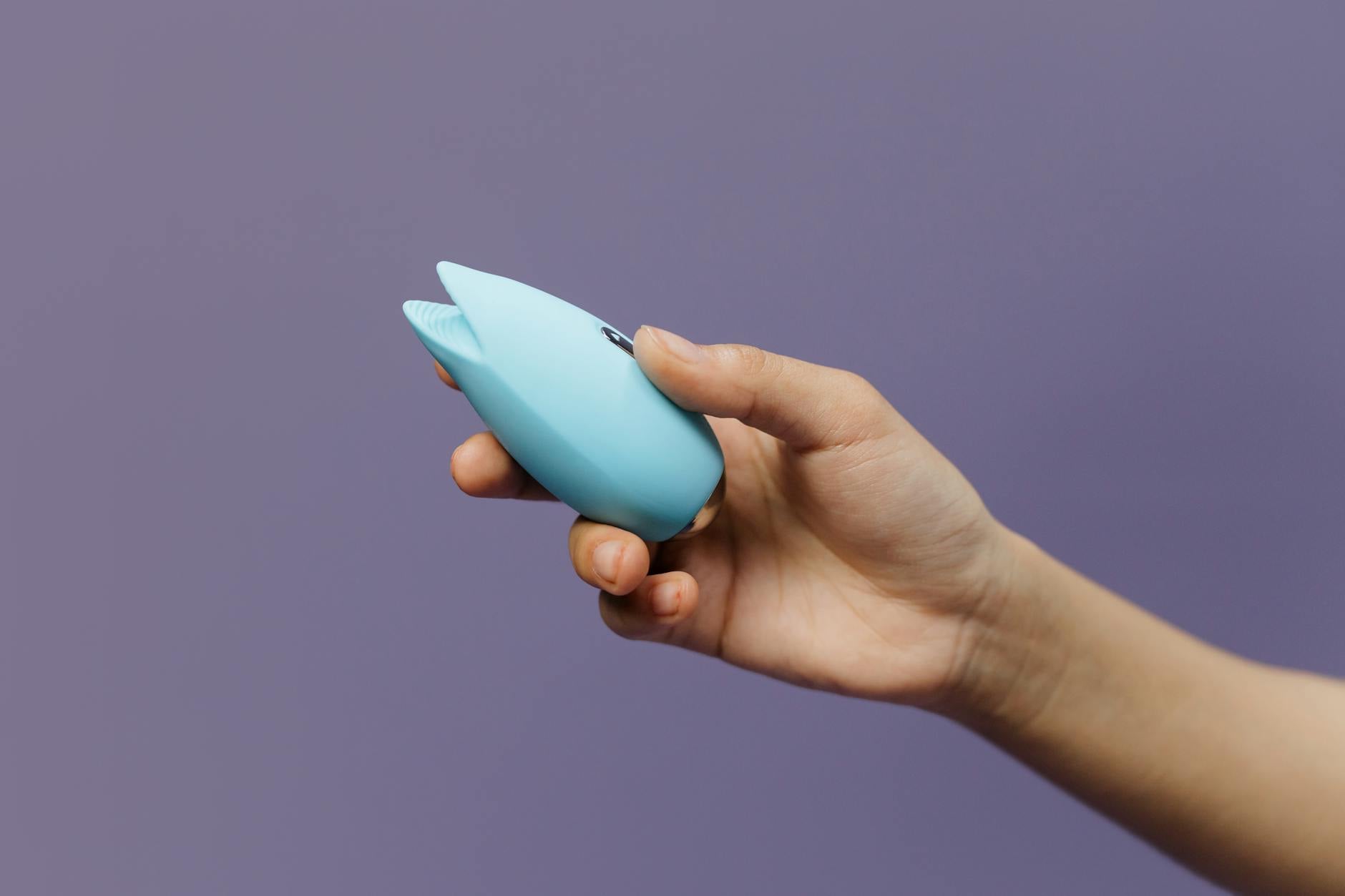
Let's say before illness, a lemon vibrator like the Lem worked great for you. Fast, reliable, satisfying. Now you pick it up and it feels weird. Maybe it's too intense. Maybe sensation feels muffled. Maybe you can't focus long enough to get there.
Your first instinct might be to think something's broken. It's not. Your nervous system is still in low-sensitivity mode. High-intensity stimulation can feel jarring instead of pleasurable when your body is already overwhelmed.
This is exactly why the Lem's suction design is useful right now. Air-pulse stimulation feels gentler than traditional vibration even at the same intensity. It's less abrupt. It lets you build sensation gradually instead of hitting your body with full power.
How to rebuild sensation in the first two weeks
Start with non-device touch. This matters. Your nervous system needs to remember that touch is safe before you introduce a vibrator.
Spend 5-10 minutes daily touching your body without any goal. Run your hands over your arms, legs, stomach, breasts, thighs. Notice where sensation feels alive and where it feels numb. Don't try to change it. Just observe. This rewires your brain to recognize your body as yours again.
When you're ready to try the Lem, use patterns 1 or 2 only. The first two settings are lower intensity and give your nervous system room to gradually recognize pleasure. Spend 15-20 minutes exploring, not trying to orgasm. Touch your inner thighs, your labia, the outside of your vulva. Find where sensation comes back first. It's usually at the edges, not the center.
If it feels too much, stop. Truly. There's no prize for pushing through recovery. You're not falling behind. You're rebuilding. That requires patience.
Why timing matters during recovery
This is the part people get wrong. Pleasure during recovery needs to happen when your nervous system is already calm, which usually isn't when you're busy or tired.
That means: late morning over early morning. Weekends over workdays. After you've eaten. After you've had sunlight. After gentle movement like a walk. After any moment of rest that feels genuinely restorative.
If you're still taking pain medication or sleep aid, wait until your system is clearest. If you're on antibiotics, the timing depends on the specific medication, but generally once-daily dosing in the morning means evening is clearer. This isn't about rigid rules. It's about choosing times when your nervous system has the most capacity to feel good.
Most people find that 2-3 weeks post-illness, there's a window where sensation comes back noticeably. You might feel it in a rush of relief. That's your nervous system recognizing safety again. That's when you can gradually increase intensity on the Lem or extend your time from 15 minutes to 25.
The mental piece nobody talks about
Here's what happens: you're recovering, and somewhere in your brain is a whisper that says, "Your body failed you." Maybe it got sick. Maybe it needed surgery. Maybe it took weeks to feel strong again.
Pleasure is one of the most vulnerable experiences your body can have. It requires trust. Right now, if there's any part of you that doesn't fully trust your body yet, pleasure will feel harder to access. That's not a physical problem. That's a nervous system protecting itself.
So before you use a lemon vibrator, ask yourself: Am I trying to have pleasure right now, or am I trying to prove my body still works? Those are very different intentions. The first leads to actual satisfaction. The second leads to frustration because you're fighting your own system.
If you notice you're pushing too hard, pause. It's okay. Pleasure will return. And when it does, it's often richer because you're not taking it for granted anymore.
When to involve a partner
If you have a partner, this is a good time to separate conversation from action. A ten-minute talk about what you're experiencing is way more useful than trying to resume partnered intimacy on a timeline.
You might say: "My body is still recalibrating. I'm using solo time to figure out what feels good again. This doesn't mean anything about us." Most partners get it. Some don't. That's a different conversation, but it's worth having before it becomes a source of conflict.
If your partner wants to be involved in your recovery, that's beautiful. But involvement right now probably looks like: giving you space, being patient, helping you feel safe in your own skin. Not pressure to resume what was.
You can revisit partnered pleasure once you've spent a few weeks rebuilding your own baseline. You'll know when you're ready because sensation will feel reliable again, and you'll have the energy to focus.
The recovery timeline (realistic)
Week 1-2: Focus on non-device touch and low-intensity exploration with the Lem at patterns 1-2 only. Don't push for orgasm. You're rebuilding the pathway, not using the destination.
Week 3-4: You might notice sensation coming back more fully. This is when you can try patterns 3-4 on the Lem and gradually extend your time. You might have your first post-illness orgasm now. It might feel different. That's normal.
Week 5+: If pleasure feels more accessible, you can return to your previous patterns and intensity. But honor your body if it's different than before. Illness can shift what feels good. That's information, not failure.
Some people race through this in three weeks. Others take two months. Your nervous system's timeline is your timeline. Pushing it doesn't speed it up.
FAQ
How do I know if I'm pushing too hard during recovery?
Your body will tell you. Tension in your pelvic floor, difficulty focusing, feeling numb instead of stimulated, or frustration afterward all mean you're asking your nervous system for more than it has right now. Ease back. You don't need to force the process.
Can I use a lemon vibrator if I'm still taking antibiotics?
Yes. Vibrators don't interfere with antibiotics. But focus on low-intensity settings and shorter sessions while your immune system is still actively working. Once you've finished the course, you'll likely notice sensation becomes more responsive.
What if sensation feels completely flat even weeks later?
That's worth mentioning to your doctor, especially if you're on new medications or if the illness was severe. Medication side effects, hormonal shifts from stress, or underlying conditions can all affect sensation. You're not broken, but a professional can help identify what's happening.
Is it normal for orgasms to feel different after illness?
Completely. Your nervous system has recalibrated. The pathway is still there, but the experience might feel less intense, more localized, or require more time to build. This usually normalizes over a few weeks. If it persists, check in with your doctor.
Should I use lubricant during recovery?
Yes, even if you usually don't. Recovery often means your tissues are more sensitive and slightly drier. Water-based lubricant makes the Lem feel gentler and reduces any friction that might feel irritating. It's not a weakness. It's smart recovery.
Can I use a lemon vibrator right after surgery?
Wait for full clearance from your surgeon. Usually that's 4-6 weeks depending on the surgery. Once cleared, follow the same rebuilding timeline as post-illness recovery. Go slow. Your body is healing.
You're not behind
Recovery is not a race. Your nervous system doesn't move on someone else's schedule. The people who report the most satisfying return to pleasure after illness are the ones who stopped trying to rush back to normal and instead got curious about what their body was telling them.
A lemon vibrator can be a useful tool during this time. But the real work is in listening to what your body needs right now, not what it needed before. That's how you get pleasure back. Not by forcing it. By meeting yourself where you actually are.
If you have questions about your specific recovery, reach out. We're here to help.