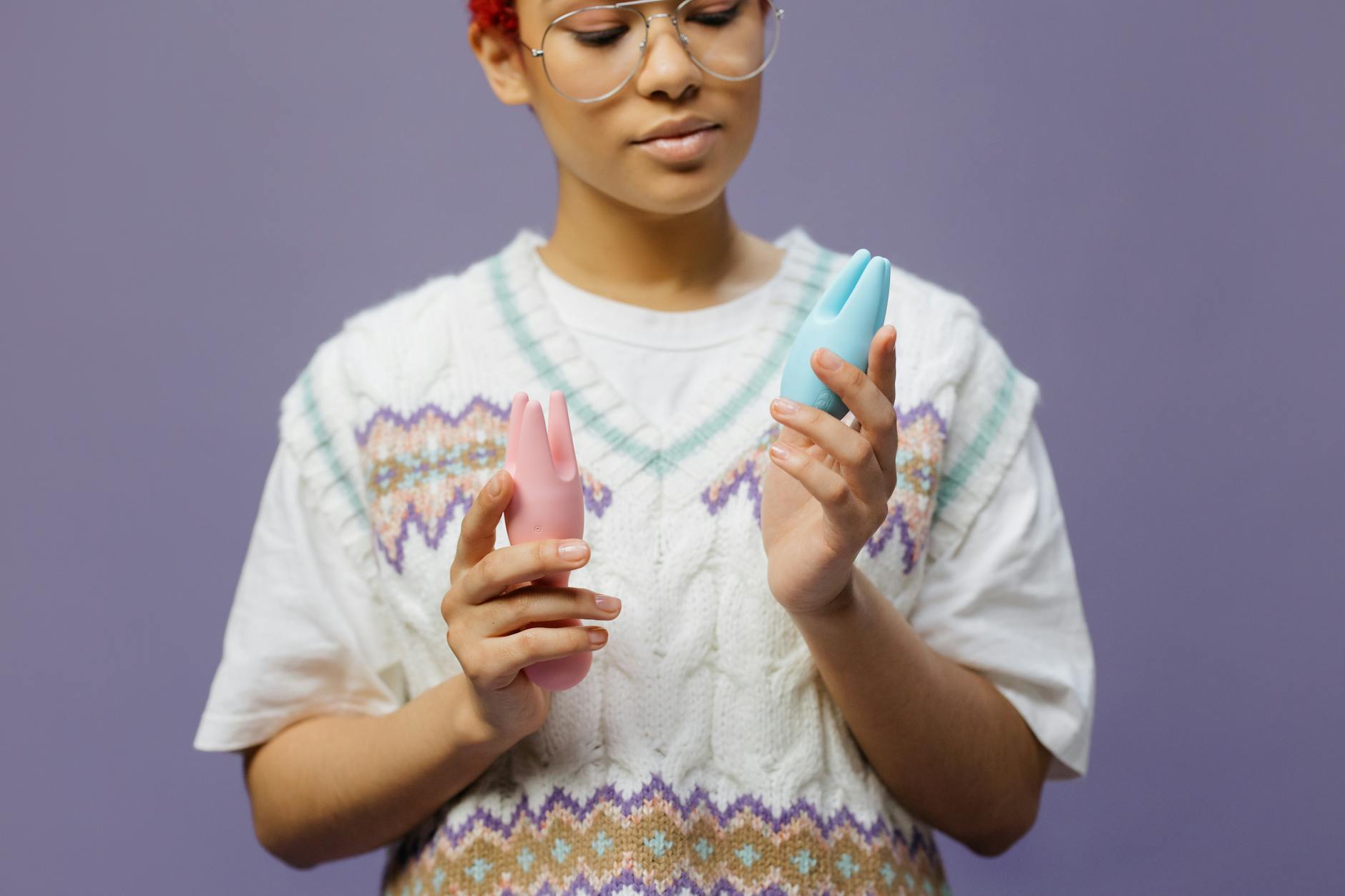
Let's be real about medication and pleasure
You started a new medication for good reasons. Depression, anxiety, blood pressure, chronic pain, autoimmune stuff. Your health matters. But somewhere between the second and fourth week, you noticed something: arousal feels different. Maybe harder to access. Maybe sensation feels muted. Maybe orgasms are slower or weaker than they used to be.
This is not imaginary. It's not in your head (well, neurologically it is, but you know what I mean). Medication changes how your nervous system processes stimulation, and your sexual response is wired directly into that system. The good news: you don't have to choose between treatment and pleasure.
How medication actually affects sexual response
Different drug classes work in different ways. SSRIs (antidepressants like sertraline or paroxetine) increase serotonin, which can delay orgasm or flatten the subjective experience of arousal. Beta-blockers for blood pressure reduce adrenaline, which some people need for that initial spark. Antihistamines dry out mucous membranes, which changes lubrication. Hormonal birth control shifts baseline testosterone and estrogen.
Here's the thing: this doesn't mean your capacity for pleasure is gone. It means the pathway to pleasure has changed. The clitoris still has the same nerve density. Your brain still processes sensation. But the timing, the intensity, and the buildup might require a different approach.
That's where a lemon clitoral vibrator becomes genuinely useful. Not as a workaround, but as a tool matched to your current neurobiology.
Why a lemon vibrator works better on medication
A lemon clitoral vibrator uses air-suction technology instead of traditional vibration. This matters when medication has changed your sensitivity. Here's why:
The sensation is different. Instead of direct oscillation, suction creates a gentle pulse that pulls and releases. For people on SSRIs or other medications that numb sensation, this often feels more distinctive. You can actually feel it happening, where a traditional vibrator might feel like background noise.
It demands less from your nervous system. Achieving orgasm on SSRIs often requires sustained, consistent stimulation over longer periods. A lemon vibrator's pattern is designed to build gradually, so you're not fighting against your body's current rhythms. You're working with them.
Lower initial intensity is easier. Many medications make intense sensation feel uncomfortable or overwhelming at first. A lemon sucker starts at gentler settings and lets you build up, which is more compatible with how your medicated body is responding right now.
Timing and positioning with medication sensitivity
Let me be specific about technique because this is where most people get stuck. They try using their lemon clitoral vibrator the same way they did before starting medication, get frustrated when results aren't immediate, and assume something is broken.
Three adjustments that almost always help:
First, plan for a longer warm-up. Before touching your device, spend 15-20 minutes on whatever got you aroused before. Read, watch something, think about something. Let arousal build in your body first. Medication slows the acceleration of arousal, not arousal itself. You're not broken; you just need more runway.
Second, start at setting 1 or 2, not your old favorite. Your nervous system is processing differently right now. What felt perfect before might feel too intense now. Give yourself permission to use lower settings. This isn't regression; it's adaptation.
Third, use a positioning trick. Instead of direct pressure, many people on medication find that angling the lemon vibrator slightly off-center (so suction is happening at the edge rather than the tip of the clitoris) creates more pronounced sensation with less numbness. Experiment with small movements. You're mapping your body's new territory.
Lubrication and sensation during medication adjustment
Some medications (especially antihistamines) reduce natural lubrication. This isn't about being broken; it's a side effect. Water-based lube helps, but there's a secondary benefit people overlook: it changes the sensation profile.
When you add lube to a lemon suction device, the seal becomes more stable. The suction pulls more effectively. This actually increases sensation for people who are experiencing numbness. So using lube isn't admitting defeat. It's optimizing for your current state.
Use a slick, water-based lube (silicone lubes can degrade silicone toys, so stick with water-based). A thin layer is enough. Reapply if sensation dulls. This is normal and completely fine.
When to talk to your doctor (and what to actually say)
Here's the part people get wrong: they either never mention sexual side effects to their prescriber, or they ask vaguely about "lowering the dose." Both strategies fail.
Your doctor needs to know that sexual response has changed because it helps them troubleshoot. Different medications in the same class have different side effect profiles. Some SSRIs (like bupropion) are less likely to cause sexual side effects than others. Some people benefit from adding a second medication to counteract the effect. Your prescriber has actual tools, but only if you tell them.
Here's how to phrase it: "Since starting [medication name], it takes longer to get aroused and sensation feels less intense. I'm not looking to stop taking it, but I want to know if there are options that might help." That's clinical, straightforward, and gives your doctor actionable information.
Don't accept "this is just how it is" from any provider. Sexual health is health. You deserve treatment that works without sacrificing pleasure.
What actually helps alongside your lemon clitoral vibrator
Your device is one part of the equation. Three other things matter:
Stress reduction. Anxiety medications sometimes create a paradox: they lower anxiety but also seem to lower arousal. This is partly neurological and partly psychological. If you're not fully relaxed, your body won't respond. Meditation, time outside, or whatever unwinding actually works for you matters as much as your lemon vibrator.
Sleep and movement. Sleep deprivation tanks dopamine and makes arousal harder. Exercise increases dopamine and bloodflow to the genitals. Neither of these is glamorous advice, but both are real factors. If you're medicated and sedentary and sleep-deprived, no vibrator will fully fix that.
Communication with partners. If you're with someone, let them know what's changed and that you're adapting. This isn't asking them to fix you. It's letting them understand that the pace and intensity that worked before might not work now. Partners who feel like they're doing something wrong often withdraw sexually, which makes everything harder.
The timeline for adaptation
Your body usually stabilizes medication effects between 4-8 weeks. But sexual response can take longer because it involves so many systems. Give yourself at least 12 weeks before deciding that a side effect is permanent.
Meanwhile, you're not waiting passively. You're experimenting with your lemon clitoral vibrator at new settings, adjusting technique, adding lube, and managing stress. You're building a new sexual routine that works with your medicated body, not against it.
Most people I work with report that by month three or four, they've found a rhythm that actually works better than before. Not because the medication "fixed" them, but because they stopped trying to recreate their old response and started discovering their current one.
Medication that keeps you stable is worth adapting your pleasure practice for. You deserve both.
FAQ
Can I use a lemon vibrator on SSRIs?
Yes. In fact, lemon clitoral vibrators work particularly well for people on SSRIs because the suction sensation is more distinctive than standard vibration when sensation is muted. Many people find that starting at lower settings and allowing longer warm-up time helps them reach orgasm despite medication effects.
Will changing medications help more than using a lemon suction vibrator?
Maybe, but don't frame it as either/or. Talk to your prescriber about sexual side effects. They might switch you to a different medication or add something to counteract the effect. Meanwhile, adapting your technique and device choice helps right now, not in six weeks. Do both.
How long does it take for sexual side effects from new medications to improve?
Typically 4-8 weeks for the medication itself to stabilize, but sexual response can take 12 weeks to fully adapt. Some people find that their sexuality actually improves after the initial adjustment period because they're not fighting medication effects anymore. Give it time.
Is it normal for sensation to feel numb even with a lemon clitoral vibrator?
Yes, initially. Medications like antidepressants can blunt sensation for the first month or two. If numbness persists after 12 weeks, mention it to your doctor. It might indicate that this particular medication isn't right for you, or that an adjustment could help. Numbness is a real side effect worth treating.
Can I use lube with a lemon clitoral vibrator?
Absolutely. Water-based lube actually enhances sensation with suction devices because it stabilizes the seal. If your medication has reduced natural lubrication, adding lube isn't a workaround. It's the right approach. Use a thin layer and reapply as needed.
What if my partner is uncomfortable with me using a lemon vibrator while on new medication?
This often comes from misunderstanding. Partners sometimes interpret toy use as a reflection on them, especially when medication has already created tension around sex. Have a direct conversation: "My body is adjusting to medication. Using this tool helps me stay connected to my sexuality during that adjustment. It's not about you." Most partners relax once they understand the context. If they don't, consider working with a couple's therapist.
Should I tell my doctor I'm using a vibrator?
You don't need to volunteer the specific tool, but do tell your prescriber that sexual sensation and arousal have changed. That information helps them decide whether to adjust your medication. How you're managing the side effect (through technique, device use, or other means) is your business.
What happens next
Your body is adjusting to a medication that's helping you. That adjustment includes your sexual response. A lemon clitoral vibrator isn't a band-aid for medication side effects. It's a tool designed for exactly this moment. lower starting intensity, longer warm-up, lube when you need it, communication with partners, and patience.
Most importantly: medication that keeps you stable is worth adapting your pleasure practice for. You're not choosing between health and sex. You're finding a new way to have both.