Let's talk about the part no one prepares you for
They tell you about lochia, sleep deprivation, and nipple pain. Nobody mentions that your vulva might feel completely foreign to you. Or that the thought of anyone touching you there—including yourself—might trigger something between numbness and terror. Both are normal. Both pass. And both respond incredibly well to a tool designed for exactly this moment: time off, healing, and rediscovering pleasure on your own terms.
Here's the data point that changes how we talk about postpartum sex: most people don't experience full sensation recovery until 3-6 months postpartum, even after an "easy" delivery. The tissue is swollen, sometimes scarred, often still numb from trauma or medication. Your nervous system is in survival mode. That's not a bug. It's a feature designed to help you heal. But it also means that pleasure isn't off the table. It's just reframed.
Why the postpartum body needs a different approach
Vaginal delivery changes tissue structure, temporarily. The perineum swells for weeks. Stitches (if you tore or had an episiotomy) create scar tissue that's tender and hypersensitive in some spots, dead in others. Your pelvic floor is exhausted from the physical labor of birth. Hormone levels have dropped suddenly, which means the tissue is thinner and less lubricated than it was six weeks ago.
If you had a C-section, the picture is different but equally real: the incision heals from the inside out, meaning internal tissue is still raw weeks after external wounds close. Nerve damage is common and usually temporary. Plus, the sudden hormone drop hits the same way.
Both delivery types trigger a nervous system reset. Your brain is flooded with cortisol, prolactin (especially if nursing), and a cocktail of hormones that prioritize survival over sensation. That's evolutionary genius. It's also why touching your vulva might feel muted, wrong, or oddly painful in ways that have nothing to do with healing.
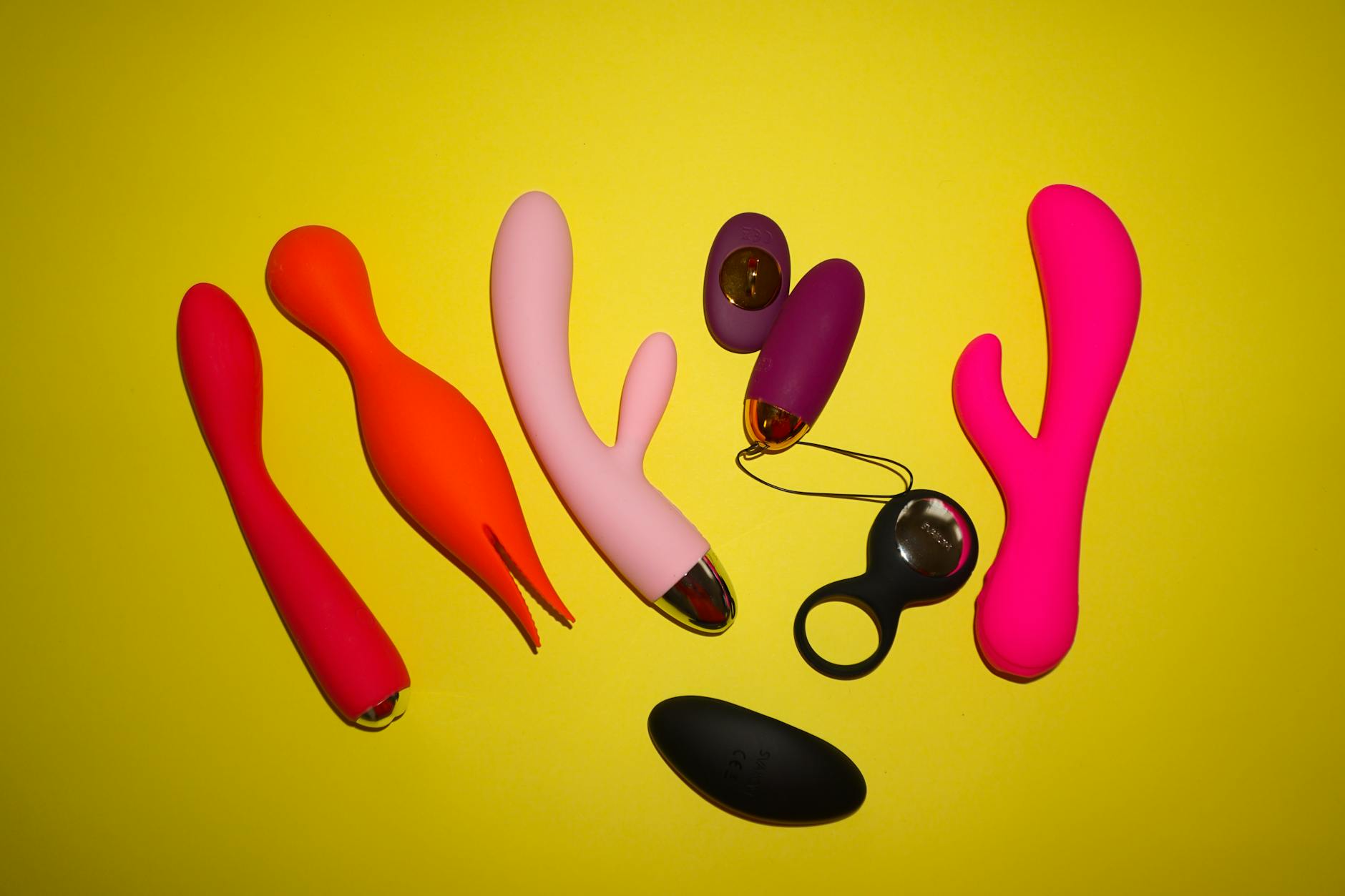
A lemon vibrator—specifically, its air-suction design—addresses all of this without the friction that aggravates healing tissue.
When to start: the timeline that actually matters
Your OB probably said six weeks. That's the green light for penetration, not necessarily for pleasure. Medical clearance and emotional readiness are two different conversations.
Here's a realistic postpartum intimacy timeline:
Weeks 1-3: No genital touch. Your job is rest. Seriously.
Weeks 4-6: You can start gentle exploration if you feel like it. Not because anyone says you should. Only if curiosity shows up. Many people feel nothing but numbness. That's fine.
Weeks 6-8: Medical clearance usually lands here. This is when a lemon vibrator becomes genuinely useful. The suction pattern stimulates nerve endings without aggressive friction. You're not trying to orgasm yet. You're reintroducing sensation.
Weeks 8-12: Most people notice sensation returning. Phantom stitches (nerve misfires that feel like sharp tugs) usually calm down by week 10. This is when pleasure starts feeling like pleasure again, not like a chore or a test.
Week 12+: By three months, most vulvas have recovered enough that you can experiment with speed and intensity. But honestly, a lot of people find they prefer gentler patterns permanently. Birth changes what feels good. That's not a loss. It's information.
The specific setup for postpartum recovery
Three rules that make the difference between healing and frustration:
Start with the lowest setting. On a lemon clitoral vibrator like Hello Nancy's Lem, that's setting 1 or 2. Postpartum tissue is hypersensitive. What felt medium-intensity pre-pregnancy will feel intense now. Go low. You can always turn it up. You can't un-feel overstimulation.
Use water-based lubricant, always. Your estrogen is lower than it's ever been if you're nursing. Vaginal and vulva tissue is drier. Lubrication helps the suction work better and protects healing skin from friction. One pump of lube is usually enough. More isn't better.
Sit or recline comfortably. Tension in your pelvic floor will make sensation feel worse and healing slower. Prop yourself up with pillows. Relax your thighs and belly. If the position feels like work, find a new one.
What you're actually doing when you use it postpartum
You're not trying to orgasm. Not yet. You're retraining your nervous system to recognize touch as safe and pleasurable instead of a threat.
Start with two to five minutes on setting 1 or 2. Focus on breath. Notice what sensation feels like. Does it feel numb? Sharp? Warm? Tingly? Annoying? All of these are data. None of them are wrong. Some people feel a shift after the first session. Others need weeks of gentle exploration before sensation returns. Both timelines are completely normal.
If pain shows up—sharp, shooting, or cramp-like—stop. Pain is information. It usually means tissue isn't ready yet, or you've hit a tender scar spot. Take another week and try again. If sharp pain persists past three months, talk to a pelvic floor physical therapist. Scar tissue sometimes needs manual release.
If numbness is the story, keep going. Nerve endings wake up on their own timeline. Using the vibrator gently regularly actually speeds that process by increasing blood flow and triggering neuroplasticity.
Building back to pleasure (without the pressure)
Around week 8 or 9, something usually shifts. The numbness lifts. The device starts feeling like something, not nothing. This is where you might notice that your orgasm pattern has changed—they might feel different in intensity or shape, take longer to build, or feel unexpectedly intense because everything is newly sensitive.
That's not permanent. Your orgasms will find their new normal. But for now, don't chase the old pattern. Notice the new one.
Here's where partner involvement gets tricky. A lot of postpartum people feel completely disconnected from their partner's touch, even though they crave their own. Using a lemon clitoral vibrator alone first—in your own time, with your own control—actually rebuilds the neural pathway to pleasure. Once you've spent a few weeks remembering how sensation works solo, partnered touch lands differently. Less threatening. More welcome.
If your partner is in the picture, the gift you can give them is explicit permission to wait. "I'm exploring my body again solo for the next month. I'll let you know when I'm ready to reconnect with you." That clarity is sexier than a forced early return to couple intimacy.
The emotional part (which is half the work)
Postpartum bodies often carry shame that has nothing to do with healing. Your vulva did an impossible thing. It might look different. It might feel different. Both of those things are marks of survival, not failure.
If you're grieving the body you had before, that's real and valid. If you're afraid of pain or sensation feeling wrong, that's real too. A lemon vibrator can't fix the emotional piece. But using one—taking 10 minutes alone to check in with your body, notice what it's capable of, remind yourself that pleasure is yours—does something that therapy and medication sometimes can't. It puts you back in your own driver's seat.
For a lot of postpartum people, this solo time is the first time in weeks they're doing something entirely for themselves. Not for the baby. Not for a partner. For you. That psychological shift matters as much as the physical one.
Red flags worth checking in with a doctor about
Sharp pain (different from soreness) past six weeks. Persistent numbness past four months. A burning sensation that gets worse instead of better. Heavy bleeding triggered by sexual activity. Infection signs: fever, unusual discharge, foul smell. Pelvic floor dysfunction causing pain during sitting or everyday movement.
None of these are reasons to shame yourself. They're just reasons to get professional support. A pelvic floor physical therapist is particularly valuable postpartum. They can assess scar tissue, teach you how to relax and strengthen in the right ratio, and guide you back to full sensation and orgasm.
The pleasure timeline actually looks like this
Weeks 1-6: Recovery. Nothing else.
Weeks 6-8: Gentle solo exploration. No pressure for orgasm.
Weeks 8-12: Sensation returns. Orgasms may feel different but they're coming back.
Week 12+: Full pleasure recovery for most people. For some, pleasure is even better than before.
This isn't universal. Some people need six months. Some people are back to their baseline at eight weeks. Bodies are weirdly varied. Honor yours.
Frequently asked questions
Can I use a lemon vibrator if I'm still bleeding?
Not during active lochia. Weeks 1-3 is too early. Once bleeding has slowed significantly (around week 4-5), light exploration is usually fine, but wait for medical clearance at six weeks if you're not sure. When you do start, keep sessions short and gentle.
What if I'm breastfeeding and worried about stimulation affecting supply?
Breast stimulation can trigger oxytocin, which is already flooding your system from nursing. Vulva stimulation won't change milk supply. But your body is already in overdrive hormonally. If using a vibrator makes you feel more touched-out, skip it for a few more weeks. Your pleasure matters, but so does not burning out.
Is it normal that everything feels numb down there?
Yes. Extremely normal. Nerve damage from stretching, swelling, and sometimes medication is common postpartum. It usually resolves on its own within three to six months. Regular gentle stimulation—including with a lemon vibrator on low settings—can actually speed up nerve recovery by increasing blood flow.
Can I use the lemon vibrator if I had a C-section?
Absolutely. C-section parents sometimes feel less permission to explore because the incision isn't visible from the outside. But internally, the healing timeline is similar. Start at six weeks, begin gently, and expect the same timeline to full sensation. The vulva itself usually heals faster with C-section than vaginal delivery because there's less direct trauma.
What if I don't feel like having pleasure back yet?
Then don't. Forced pleasure is not pleasure. Some people need three months of mental space before they're ready to reintroduce sensation. Some need six. There's no deadline. Your job postpartum isn't to perform sexuality. It's to heal and survive. Pleasure comes after that.
How do I talk to my partner about this timeline?
Directly. "I need to explore my body alone for a few weeks. I'm not ready for partner touch yet, but that will change. Here's the timeline I'm thinking about." Partners who love you will wait. Partners who don't aren't your people anyway. Use this as information.
What comes after recovery
Around month four or five, most people notice they're ready to reconnect with partners, or ready to use their lemon vibrator in a different way. Maybe with a partner present. Maybe in a shared moment. Maybe still solo, but with pleasure as the goal instead of rehabilitation.
That's the moment this journey stops being about recovery and starts being about rediscovery. Your postpartum vulva isn't damaged. It's transformed. And transformation, once you've survived it, often brings deeper pleasure than before.
If you need support rebuilding intimacy with a partner after birth, reach out. You don't have to figure this out alone.