How constant stimulation trains your nerves to tune out
You're not lazy. Your clitoris isn't broken. What's happened is neurological adaptation. When the same sensation repeats at the same intensity for weeks or months, your nervous system learns to filter it out. Your brain stops paying attention. That's not a character flaw. It's how neurology works.
This happens most often to people who masturbate daily with high-intensity vibrators, or who've been using the same toy the same way for years. Your body gets incredibly efficient at ignoring what it's already heard. Think of it like living next to train tracks. The first week, you notice every rumble. By month three, you sleep through it.
The good news: you can retrain your nerves. It takes patience, but the sensation comes back, often stronger than before.
What desensitization actually feels like
It's not that stimulation feels bad. It's that it feels like nothing. You need increasingly intense pressure or vibration to feel anything at all. Or you feel something, but it's distant, like touching the clitoris through a thick glove. Orgasm becomes harder to reach, requires more time, or feels shallower when it comes.
Some people describe it as being stuck on a plateau. Everything feels the same. Nothing escalates. You know what an orgasm should feel like, but getting there requires a level of stimulation that starts to feel exhausting rather than pleasurable.
If you're also taking antidepressants or other medications that numb sensation, desensitization compounds the problem. The two factors stack on top of each other.
Why lemon vibrators work differently for this problem
Traditional vibrators work through direct high-frequency vibration. With desensitized nerves, you end up chasing higher and higher intensity just to feel anything. That's the trap. The lemon vibrator, particularly the suction-based design, uses a different mechanism. Instead of pure vibration, it creates rhythmic suction and micro-movements that stimulate the clitoris without relying on brute force.
For recalibrating desensitized sensation, this matters. Suction-based clitoral vibrators force you to slow down. You can't just jam it on the highest setting and zone out. The sensation is more nuanced. Your nervous system has to pay attention. That novelty alone helps reset your body's response.
It's not that the lemon clitoral vibrator is more powerful. It's that it works fundamentally differently, which retrains your nerves to notice again.
The reset protocol: how to rebuild sensation step by step
The key is cycling between stimulation and rest, and deliberately keeping intensity low.
Week 1: Intro to novelty. Use the lemon vibrator for just 10-15 minutes, three times that week. Use the lowest setting only. You're not trying to come yet. You're reintroducing your clitoris to a new type of sensation. Many people report that lower intensity feels boring at first. That's correct. That boringness is part of the reset. Stick with it.
Week 2: Adding frequency. Same toy, now five sessions that week, still 10-15 minutes each. Increase to settings 2-3 if you want. The goal is building anticipation, not chasing orgasm. If you come, great. If not, also fine. You're rewiring expectation.
Week 3: Longer engagement. Now 15-20 minutes per session, similar frequency. You might notice sensation returning in subtle ways. The feeling might be slightly different than before. That's normal. Different doesn't mean wrong.
Week 4 onward: Permission to adjust. By now, many people report that sensation is noticeably sharper. You can experiment with higher settings if they feel good, or stay in the lower range. The point is you now have options again. Your clitoris is listening.
Pairing the reset with other techniques
There are three companion strategies that speed sensation recovery.
Extend your warm-up time. Spend 5-10 minutes with the vibrator on low setting before you even try to build toward orgasm. This gives your nervous system time to notice what's happening. Don't use it as foreplay to something. Make low-intensity vibration the main event.
Introduce texture variation. Use different toys in your rotation. Alternate the lemon vibrator with a different clitoral vibrator of lower intensity. Your nervous system responds to novelty. Changing stimulation type helps your brain stay engaged instead of tuning out.
Practice mindfulness-based attention. This isn't meditation mumbo jumbo. This is: when you're using the vibrator, notice the actual sensation instead of thinking about whether you're going to come. Notice where the vibration concentrates. Notice if pressure feels different from suction. Activating sensory attention literally wakes up your nervous system. It's the opposite of zoning out.
Handling the awkward middle phase
Between week two and week four, there's often a weird transition zone where sensation is better than before but still not where you want it. Pleasure might feel muted or inconsistent. Some sessions feel good, others flat. This is normal. Your nervous system is recalibrating. Don't panic and jump back to high-intensity stimulation. That's the trap that got you here.
If you're with a partner during this phase, tell them what's happening. If you can't reach orgasm the way you used to, that's not a reflection of their touch or your desire for them. It's a technical reset in progress. That honesty matters more than the orgasm itself.
When medication is part of the problem
If you're on SSRIs or other antidepressants that affect sensation, talk to your prescriber about timing. Some people find that taking their dose at night instead of morning gives a small window of higher sensation sensitivity in the afternoon. Others find that splitting the dose helps. This is not medical advice. This is just saying: these conversations exist and are worth having with your doctor.
A lemon sucker vibrator can help compensate for medication-induced numbness, but it's not a substitute for addressing the root cause. Combining the reset protocol with your doctor's input works better than either approach alone.
How you'll know sensation is returning
You'll feel it in small ways first. The vibration will feel sharp instead of blurry. Certain patterns will stand out instead of everything feeling the same. Orgasm might come faster than it has in months, or feel more defined, with clearer peaks instead of a vague buildup.
You might also notice that lower intensity actually feels good now, not boring. That's a sign the reset is working. Your clitoris is learning to listen again.
Most people report full sensation return within 4-8 weeks of consistent practice with this protocol. Some take longer. Some recover faster. Your nervous system has its own timeline.
Preventing desensitization from coming back
Once you've reset, a few simple rules keep you from landing here again.
Don't use the same toy the same way every single session. Alternate between tools. Vary your settings. If you masturbate daily, maybe some days you use low intensity, other days medium. Novelty is your friend. Your nervous system stays sharp when it's slightly surprised.
Also consider building rest days into your routine. You don't need to be sexual every day to be healthy. A day or two of no sexual stimulation per week gives your nervous system a natural reset opportunity. This also tends to make sensation feel stronger when you come back to it.
If you use a lemon vibrator for better sensation when sensation feels numb, you've already learned how to work with this body. The reset protocol here builds on that foundation.
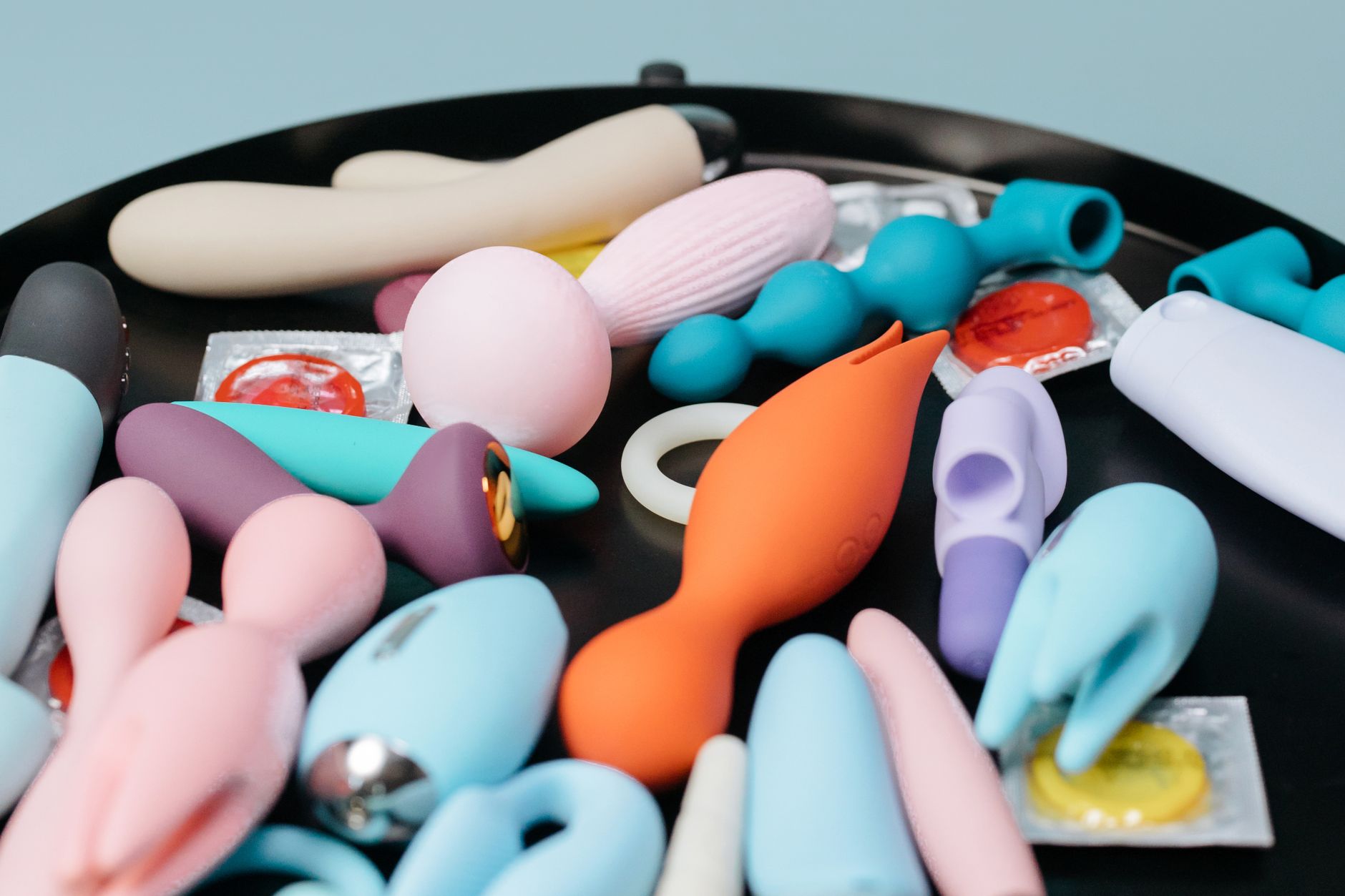
Photo by cottonbro studio on Pexels
Frequently asked questions
### Can desensitization happen to the whole vulva, or just the clitoris?
Mostly just the clitoris. The clitoral nerve bundle (the pudendal nerve) is what adapts to repeated stimulation. The vulva more broadly can feel sensitive, but the clitoris itself tunes out. However, if you've been masturbating with the same intense pressure in the same spot for years, you can develop localized numbness on specific parts of the clitoris. The reset protocol still works. You might just notice sensation returns unevenly at first.
### How long does desensitization take to develop in the first place?
It depends on frequency and intensity. Someone masturbating daily with a high-intensity vibrator might notice changes within 3-4 weeks. Someone using the same toy a few times a week might take months. The timeline really varies. But yes, it's a real phenomenon that happens faster than most people expect.
### Is there a vibrator that's too intense to use during the reset?
Yes. Any toy designed for extreme stimulation (high-frequency wand vibrators, especially those over 80 Hz) will work against the reset. During these 4-8 weeks, aim for tools in the lower to medium range. The lemon clitoral vibrator is specifically designed for this zone. How to use a lemon vibrator when you have low arousal and need longer warmup covers this in more detail.
### Can I still have partnered sex during the reset, or will that interfere?
Partner sex doesn't interfere with the reset. In fact, it can help because it introduces novelty. The key is not adding high-intensity vibration on top of partner sex. If you're using a vibrator during partnered sex, keep it on the lower settings you've established in your solo practice. Your partner's touch is already a form of stimulation. You don't need to add maximum intensity on top of that.
### Does the reset really take 4-8 weeks, or can it be faster?
It can be faster. Some people report noticing changes within two weeks. Others plateau and need the full timeline. Factors that speed recovery: using multiple different toys in rotation, taking rest days between sessions, practicing mindfulness during stimulation, and addressing any medication-related numbness with your doctor. Factors that slow it: going back to high intensity, using the exact same toy the same way, and not building in variety.
### What if I do the reset protocol and nothing changes?
If you've been consistent for 6-8 weeks and sensation isn't improving, two things are worth exploring. First, get a gynecology check. Persistent clitoral numbness can sometimes signal an underlying issue like trapped nerve compression or hormone imbalance that needs medical attention. Second, consider whether there's an emotional component. Stress, relationship conflict, or trauma can present as numbness. If your clitoris genuinely doesn't respond to touch at all, even new sensations, a therapist or sex therapist might uncover something that's outside the scope of a vibrator fix. Both professional conversations are worth having.
You can rebuild this
Desensitization feels permanent when you're in it. It's not. Your nervous system is plastic. It adapts. The same mechanism that caused the numbness can be reversed by introducing novelty, lowering intensity, and building in rest. A lemon sucker vibrator works particularly well for this reset because it uses a fundamentally different mechanism than whatever got you here in the first place.
Your clitoris is not broken. It's just quiet right now. You have the tools to help it speak up again. Start with the lowest setting. Stay patient through the awkward middle. Trust the protocol. Sensation comes back.