
Let's be real about the rush
Some of us learned early on that pleasure was supposed to happen quickly. Maybe your partner was always in a hurry. Maybe you picked up the vibe (literally) that lasting too long meant something was wrong with you. Maybe the whole dynamic got built around efficiency rather than sensation. Whatever happened, that pattern gets baked into your nervous system. Your body learned to chase the finish line instead of the view along the way.
Breaking that habit takes intention. It also takes the right tool. That's where lemon clitoral vibrators come in. Unlike partners who might nudge you forward, a lemon vibrator lets you set the pace entirely. You control the moment. You control the intensity. You get to practice what slow pleasure actually feels like.
Why past patterns stick around
This isn't about blame. It's neurology. When you've spent years (or decades) experiencing sex as a sprint, your brain literally wires itself that way. Your arousal pattern becomes conditioned to rush. The pelvic floor tightens faster. Your breathing gets shallow. Your mind jumps ahead to the finish instead of staying present. Sensation becomes background noise.
Here's the thing nobody tells you: your body can rewire. But it needs practice in a different context. That's why a lemon vibrator is so useful for this specific issue. It's just you. No performance pressure. No sense that someone's waiting. No history of rushing. Just sensation and time.
How lemon vibrators break the rush cycle
A lemon sucker (like the Lemon Clitoral Vibrator) works through gentle suction rather than direct vibration. This matters because suction feels fundamentally different from the buzzing intensity of traditional vibrators. It's less aggressive. It builds arousal more slowly and steadily. The sensation is also more precise to the clitoris itself, which means small changes in position or pressure feel noticeable. That forces you to pay attention.
When you're paying attention, you can't rush. Not because you're trying not to. But because rushing would mean missing something. The feedback loop changes. Instead of "how fast can I get there," your brain starts asking "what does this sensation actually feel like right now."
The first three solo sessions (what to expect)
Start with the Lemon on the lowest setting. This isn't about finding the magic button that makes you come quickly. It's the opposite. You're retraining your nervous system, which means you're deliberately choosing not to escalate.
Session one: Place the Lemon against your clitoris and just notice. Don't try to orgasm. Genuinely don't aim for it. Set a timer for 15 minutes if that helps. The goal is 15 minutes of attention with zero agenda. Your brain will probably rebel. "This is taking forever." "Why aren't we done yet." That resistance is the whole point. You're noticing the impulse to rush.
Session two: Same setup, but this time experiment with micro-movements. Tiny shifts in position. Slight changes in pressure. See how sensation changes. You're learning that there's a whole landscape between "off" and "climax." Most people who rush never explore this middle ground.
Session three: You can start thinking about arousal trajectory. Notice what happens if you stay at a medium intensity for five or six minutes before moving higher. Does the buildup feel different than when you spike intensity fast. Yes. It absolutely does. Deeper orgasms come from longer buildup, not harder stimulation.
Building arousal on your own timeline
Here's what slower arousal actually looks like with a lemon clitoral vibrator, broken down in phases.
Minute 0-3: Settling. Suction feels novel. Your body is getting oriented. Sensation is light. You're probably thinking about whether you're doing this right. You're not doing it wrong. Keep going.
Minute 3-7: Noticing. Your body is responding. You're starting to feel the difference between settings. Breathing changes slightly. This is arousal phase one, and it's subtle. Most people skip it by cranking intensity. Don't.
Minute 7-12: Building. Now things accelerate naturally. You're genuinely aroused. The clitoris is more sensitive. Small adjustments in the Lemon's position create noticeable changes. Your pelvic floor might start to tighten. Let it, but notice it. Stay present.
Minute 12-plus: Choosing your moment. This is the phase most people never reach because they speed through it. You have options now. You can hold here for a while and explore sensation at this intensity. You can slowly increase. You can back off slightly to extend it. For the first few times, I recommend holding at this level for at least two more minutes before moving forward. Practice not rushing.
When orgasm comes, it comes differently. Not faster, not less intense. Different. Deeper. More centered. More felt throughout your body rather than just a quick peak.
When you're ready to involve a partner again
This rewiring work changes how partnered sex can work. You now know what deeper arousal feels like. You've practiced the pacing. You've experienced what your body is capable of when there's no rush. That knowledge doesn't disappear when someone else is in the room.
Before partnered sex, use your lemon clitoral vibrator solo for a few more sessions. Get comfortable with the slower pace. Then, when you're with a partner, here's what helps: tell them you're experimenting with longer foreplay. If you've struggled to communicate about what you need during sex, that's its own conversation worth having. But the practical shift is simple. Build arousal longer. Multiple orgasms become possible when you don't crash through the finish line the first time. Partners often appreciate this because it means extended intimacy rather than a quick ending.
Some people find that using a lemon sucker during partnered sex (either solo or together) extends the experience naturally. You're not trying to rush. The sensation is different. The pacing shifts automatically.
Why lemon vibrators specifically help rewire this
The suction mechanism matters more than you might think. Traditional bullet vibrators and wand vibrators work through direct stimulation. They're intensity-based. A lemon clitoral vibrator works differently. The suction creates a sensation that's more about sustained attention than escalating buzz. It rewards slowing down instead of speeding up. Most lemon sexual toys are designed with this gentler arc in mind, which is why people who are used to rushing often find them oddly calming the first time they try one.
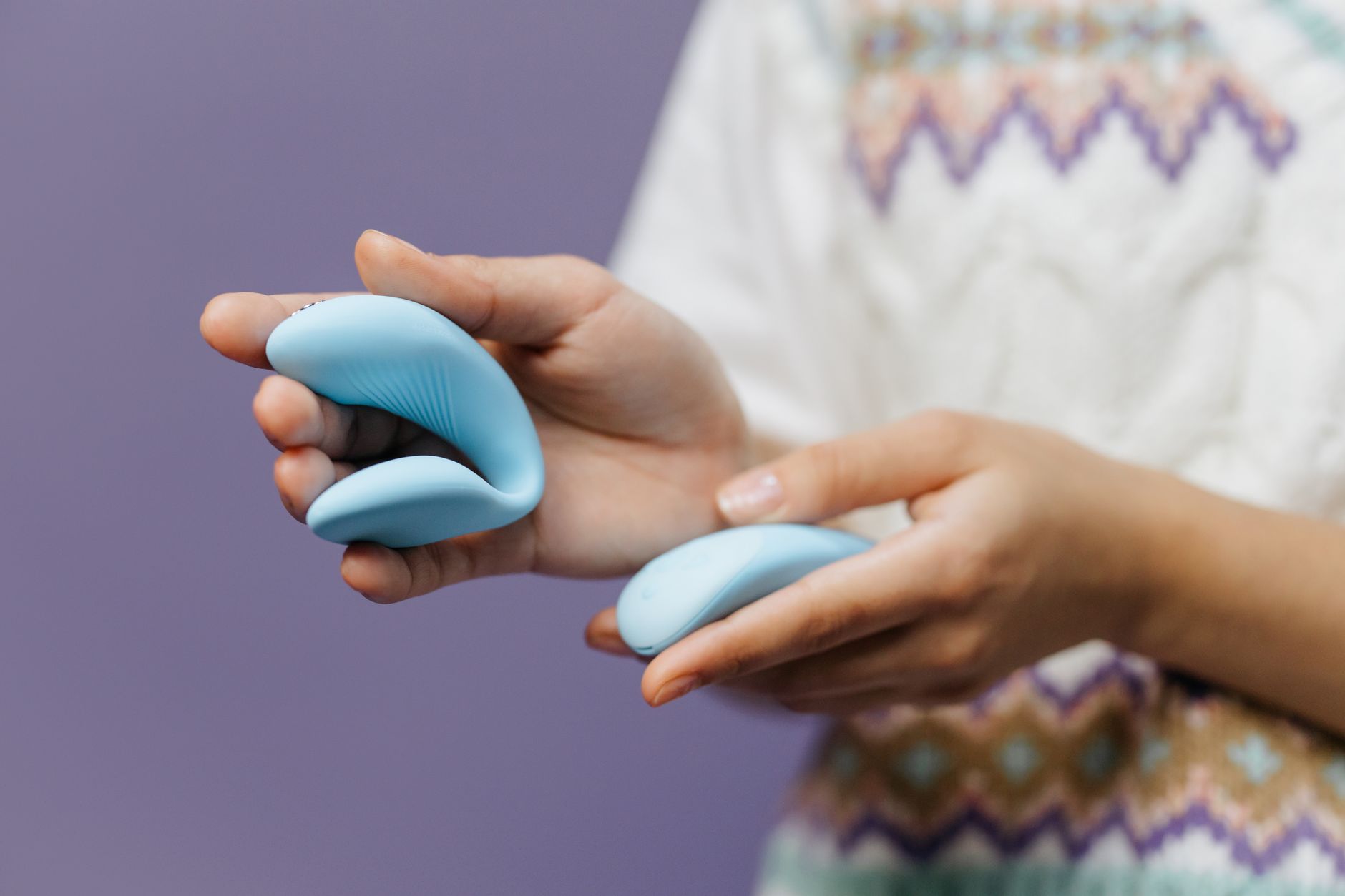
Photo by cottonbro studio on Pexels
What happens after two weeks
Your nervous system starts to recalibrate. Arousal begins to feel less like a race and more like a landscape. You might notice that pleasure extends beyond what you thought was possible. You might also notice that you're less anxious about sex overall, because there's no longer a finish line you're worried about hitting too fast or too slow.
Some people find that this slower pacing becomes their preference. Others realize they like varying their approach. The point is you now have a choice that wasn't available before. You can rush if you want. But you also know what's possible when you don't.
When to bring a professional into this
If you've experienced trauma around sex or dating, this rewiring work might benefit from talking to a therapist alongside your solo practice. There's nothing wrong with that. Sometimes past patterns have deeper roots. A professional can help you understand what's underneath the rush and work through it more thoroughly.
If you're doing this solo work and genuinely enjoying it but still feel stuck when a partner is involved, that's also information worth exploring. Might be worth having conversations about what you both want from sex. Might be worth talking to someone who specializes in couple dynamics.
But honestly, most people who do this rewiring work with a lemon clitoral vibrator find that it ripples outward. You slow down solo. That changes your internal baseline. That changes what you're willing to accept in partnered contexts. That often changes the relationship itself for the better.
FAQ: Rewiring pleasure and lemon clitoral vibrators
How long does it actually take to retrain the rush habit?
Three to four weeks of consistent solo practice (2-3 times per week) usually shows noticeable shifts. Your nervous system responds faster than you think. But deep rewiring takes longer. A couple months in, most people notice they're genuinely not interested in rushing anymore. It's not willpower. The preference legitimately changes.
Can a partner use a lemon sucker on me if I'm trying to slow down?
Yes, absolutely. Some partners love using a lemon vibrator together because it lets them control the pacing with you. Communication matters here. Tell them you're exploring slower arousal. Ask them to keep it on moderate settings and not jump to high intensity. The lemon's design makes this easier than with other vibrators because suction doesn't scale as dramatically as buzz.
What if I use the lemon vibrator and I still want to rush?
That's normal, especially the first few times. Your body is used to rushing. The impulse will be there. The trick is noticing the impulse without acting on it. Stay with medium intensity for an extra two minutes. You'll be surprised how much sensation deepens when you don't escalate immediately. The urge to rush fades as the reward of slower sensation becomes obvious.
Is there a difference between using a lemon clitoral vibrator and other lemon sexual toys for this?
The suction-based design of a lemon vibrator is specifically what makes this work. It's harder to rush with suction. You can try to, but the sensation becomes flat or uncomfortable if you go too fast. Your body naturally paces itself. Other toy shapes don't have this built-in feedback loop.
Can I use lube with a lemon sucker while rewiring my pleasure patterns?
Absolutely. Water-based lube helps if you find suction alone feels too intense. It also makes the sensation smoother and more sustained. Honestly, lube is helpful for most people regardless of what they're trying to rewire. It's not cheating or a workaround. It's just part of the experience.
What if my past partner made me feel rushed because they wanted to finish quickly?
That's a different dynamic from what this post addresses, but the solo rewiring work still helps. You're learning what your own pleasure timeline looks like independent of anyone else's needs or timeline. That foundation of self-knowledge makes it easier to set boundaries or choose different partners moving forward. You stop accepting "your pleasure doesn't matter as much as mine" because you've experienced the alternative.
The real shift
Rewiring the rush is about reclaiming your pleasure as something that exists on your timeline, in your body, for your own experience. A lemon clitoral vibrator is a tool that makes this practice easier because it's designed for sustained sensation rather than intensity escalation. Solo time with one teaches you what's possible. That knowledge changes everything about how you experience partnered sex afterward.
Your past relationships don't get to define your future pleasure. You get to decide how fast or slow feels good. You get to practice feeling good differently. That's what this is really about.