Let's talk about the thing nobody mentions
Grief and desire don't follow a timeline. One day you're untouching, barely present in your own body. The next, something shifts. Maybe you're alone, scrolling, or just waking up one morning and your body wants something. And then the guilt lands like a stone.
If you've lost someone significant, you might feel like wanting pleasure again means you're disrespecting their memory, moving on too fast, or being shallow. That's not how grief works. That's how shame works. And they're different things.
What's actually happening when desire returns
Desire returning after loss isn't a betrayal. It's your nervous system finding its way back to regulation. Sex, orgasm, and pleasure are neurologically grounding. When we're grieving, our bodies live in a state of activation, waiting for the loss to not be true. Pleasure interrupts that loop. It says: you're still here, you're alive, your body still wants things.
This doesn't mean you've stopped grieving. You can miss someone deeply and also want to come. Those two things coexist.
The science backs this up. After significant loss, many people report a surge in sexual desire as their nervous system begins to resource itself. Some therapists call it a survival response. I call it a sign of healing. Your body knows what it needs.
The guilt piece (and why it's normal but not the truth)
Here's where I need to be direct: the guilt you're feeling isn't evidence that desire is wrong. It's evidence that you loved someone. That's beautiful. And it doesn't disqualify you from pleasure.
If your loss was a partner, the guilt might feel bigger. You might feel like solo pleasure is infidelity, or like wanting someone else is wrong, or like you should still be in their absence instead of actually living. This is where grief and attachment get tangled. If this is where you are, talking to a grief counselor or therapist can help you separate what you actually believe from what guilt is telling you.
If your loss was someone else. A parent, a friend, a sibling. The guilt might sound like: I'm not supposed to be happy yet. I should still be suffering. If I feel good, I'm forgetting them.
None of that is true. Pleasure doesn't erase memory. Orgasms don't dishonor the dead.
Starting again when it feels strange
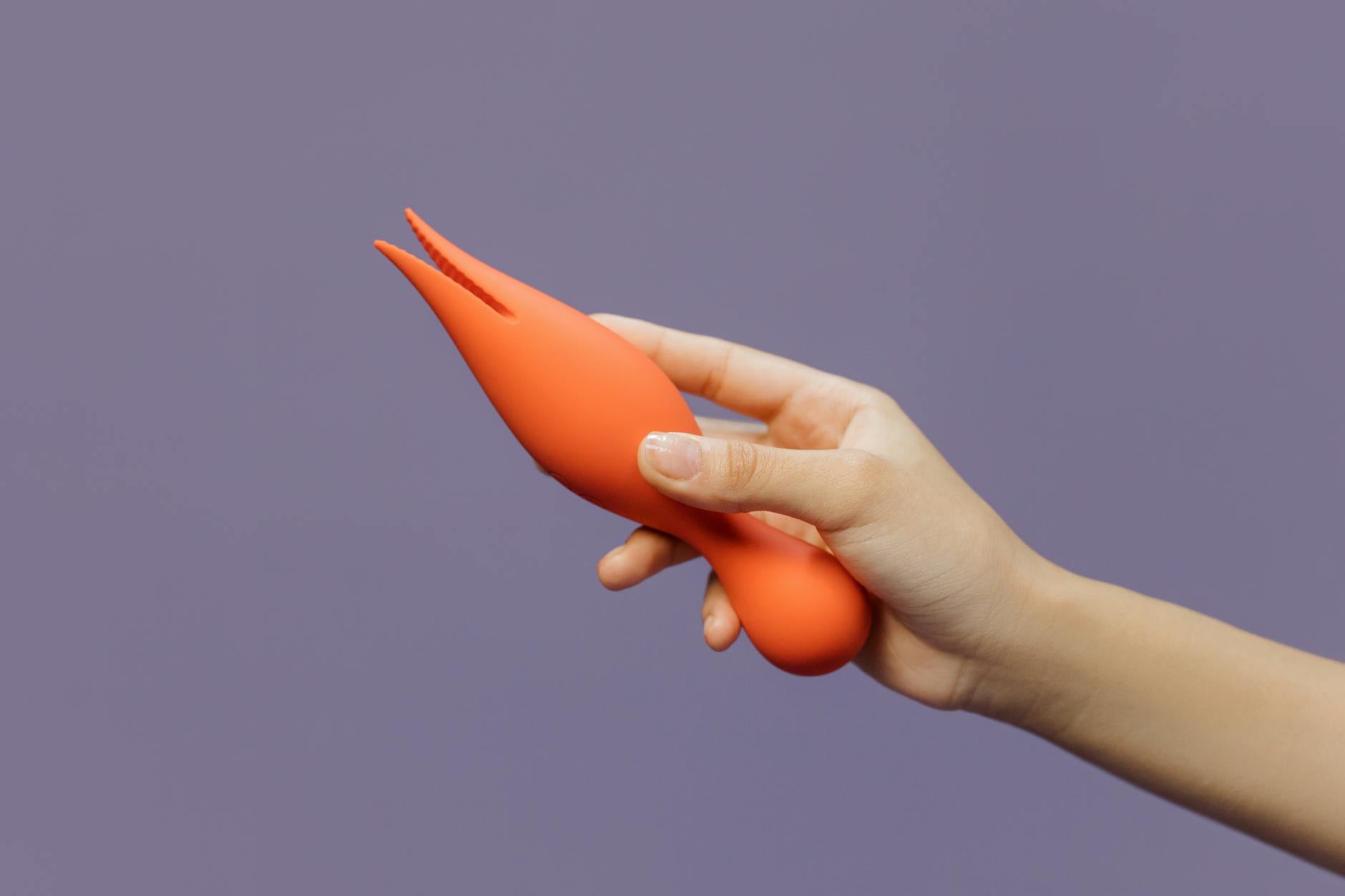
Using a clitoral vibrator like the Lem after a long absence requires something: permission. Not from anyone else. From you.
Start by noticing what your body actually wants without judgment. Are you curious? Lonely? Looking for a way back into your own skin? All of those are valid starting points. None of them require justification.
When you do decide to touch yourself, set some basic boundaries for yourself. A locked door. Time when you won't be interrupted. Maybe soft music, maybe silence. Whatever lets your nervous system know it's safe to want something.
Practical steps with a lemon sucker or clitoral vibrator
If you've never used a lemon vibrator before, or if it's been a long time, these steps help:
Start with stillness. Don't turn it on immediately. Hold it, feel the weight in your hand, notice how the shape fits against your body. Your nervous system needs permission to engage before sensation happens.
Use pattern one first. The Lem has multiple patterns. Begin on the gentlest setting. You're not looking for intensity. You're looking for a signal from your body that says yes, this is okay, this feels like coming home.
Go slowly. If arousal builds quickly, let it. If it takes 20 minutes, that's fine too. Grief changes how long warmup takes. Your body might need more time to trust that this is actually happening.
Notice what thoughts show up. Guilt might arrive midway through. Sadness might too. You can keep going and feel those things at the same time. You don't have to be light or happy or moved on. You can be grieving and also orgasming.
Stop if you need to. If overwhelm comes and you want to stop, stop. This isn't a performance. Come back to your body when you're ready.
The emotional landscape
Some people have their first orgasm after loss and cry. Some laugh. Some feel nothing and that's okay too. There's no right emotional response to pleasure when you're grieving.
What matters is this: you get to have your own body back. Grief is real and doesn't go away, but it also doesn't get to freeze you. Your pleasure, your desire, your sexuality. Those are yours. They belong to you now.
If you're partnered and navigating this, the conversation matters. Talking about what it means to feel desire again, why there might be guilt, and how your partner can support this return. That vulnerability is actually what rebuilds intimacy after loss.
When to pause and get support
If pleasure triggers dissociation or panic that doesn't settle, that's worth talking through with a therapist. Grief and trauma can get layered together, and sometimes returning to sensation triggers something bigger that needs attention.
If guilt is so loud that you can't move past it after a few weeks, that's also therapy material. Not because wanting pleasure is wrong, but because you deserve to not feel torn apart by it.
The simple truth
Your body is alive. It will want things again. That's not disrespect. That's resilience. Whether you use a lemon clitoral vibrator, explore with a partner, or simply let yourself feel what arises without any tool at all. Your pleasure matters. Your aliveness matters. And wanting both while you're still grieving doesn't make you shallow or forgetful or wrong.
You can carry loss and desire at the same time. Your body already knows this. Your mind might just need time to catch up.
Common questions about grief and desire
Why do I feel like wanting sex again means I'm betraying the person I lost?
This is where grief and loyalty get confused. Loyalty to someone's memory doesn't require you to stop being alive. In fact, many people find that living fully and wanting pleasure again is the truest way to honor someone's life. They wouldn't want your body frozen. That's not love. That's punishment.
How long after loss is it "normal" to feel desire again?
There's no timeline. Some people feel it weeks in, some years. Your grief isn't linear, and neither is your sexuality. What matters is that when desire arrives, you're able to receive it without judgment. Whether that's two months or two years.
If I'm grieving a partner, does using a vibrator feel like cheating?
It depends on what your relationship was to them and what you believe. But here's what I know clinically: using a vibrator isn't infidelity. It's self-touch. It's your body resourced and grounded. If you're partnered and exploring solo pleasure, that's a conversation to have with your partner about what feels right for both of you. If you've lost a partner, your body belongs to you now. You get to decide what you do with it.
Can I feel pleasure and sadness at the same time?
Yes. Absolutely. You can orgasm and cry. You can feel good in your body and also miss someone deeply. Humans contain multitudes. Emotions aren't exclusive categories. Pleasure doesn't cancel grief, and grief doesn't cancel pleasure. They can coexist.
What if I feel nothing when I try a clitoral vibrator after loss?
That's normal. Grief flattens sensation sometimes. Your nervous system might be protecting you by dampening pleasure temporarily. Keep trying, but don't push. Your body will signal when it's ready. Some people find that consistency helps. Using a vibrator regularly, even when nothing happens, can gradually reawaken sensation. It's like waking up a part of yourself that went dormant.
Is there something specific about the design of a lemon vibrator that helps after loss?
The suction pattern on a lem vibrator creates a different kind of stimulation than traditional vibration. It's less intense, more focused. For some people returning to pleasure, that gentler sensation feels less overwhelming. The shape is also intuitive. You don't need a lot of instruction to know what to do. That simplicity can be grounding when everything else feels chaotic.
Resources and next steps
If you're navigating grief alongside returning desire, a grief counselor or therapist trained in bereavement can help you untangle guilt from reality. Organizations like GriefShare or The Dinner Party offer community support. And if you're ready to explore pleasure again, Hallo Nancy's has resources about solo exploration that might help. When you're ready, reach out to contact if you want to talk through what you're experiencing.
Your body is here. You are here. And that matters.