Let's start with what's really happening
Your arousal used to arrive on schedule. Now it takes longer. You're not losing desire, you're not broken, and you're definitely not alone. What's changed is the biochemistry underneath the experience, and understanding that shift is the first step to working with your body instead of against it.
Hormonal fluctuations affect arousal speed more directly than most people realize. When estrogen, progesterone, or testosterone levels shift, your nervous system responds. Blood flow patterns change. Nerve sensitivity adjusts. The timeline that your body has followed for years suddenly feels unfamiliar. This is especially true during perimenopause, post-pregnancy hormonal rebalancing, or during hormonal medication cycles.
The good news? A lemon vibrator is engineered exactly for this. Here's why, and how to use it when timing matters.
Why hormonal shifts slow arousal
Estrogen affects lubrication, blood vessel elasticity, and how quickly blood rushes to the clitoris during excitement. When estrogen dips, that cascade takes longer to build. Testosterone, which most people don't realize is essential for arousal regardless of anatomy, also influences sexual motivation and the speed at which nerve signals fire. Progesterone can dampen everything. Together, hormonal flux creates a new arousal timeline that feels slower, less intuitive, and sometimes frustratingly unpredictable.
This isn't a personal failing. It's physiology. Your nervous system is literally responding to changing chemistry.
What makes this tricky is that many people interpret a slower arousal timeline as loss of desire. "I don't want sex anymore" often really means "I want sex, but my body is taking 20 minutes to warm up instead of 5." Those are completely different problems with completely different solutions.
The lemon vibrator advantage for slower arousal
Clitoral suction vibrators like the Lem work differently than traditional vibrators. Instead of vibration alone, they create a gentle rhythmic suction that stimulates deeper nerve clusters without requiring the same intensity of arousal to feel effective. You don't need to be fully aroused to start. You can begin at lower patterns and let the sensation build your arousal, rather than waiting for arousal to build before sensation feels good.
This is the key difference: traditional vibrators ask your body to catch up to the toy. Suction vibrators allow the toy to help your body catch up.
For people experiencing slower arousal timelines, that's transformative. You're not starting from zero and waiting for sensation to register. You're starting with gentle pressure that gradually coaxes your nervous system toward response.
Setting realistic timelines
When hormones shift, budget differently. Instead of assuming arousal will peak in 5-10 minutes, plan for 15-25 minutes of total stimulation. This isn't longer because something is wrong. It's longer because your body is responding to real chemical changes, and rushing defeats the purpose.
Start a lemon vibrator on pattern 1 or 2. These lower patterns provide sensation without intensity. Your job isn't to reach maximum arousal fast. Your job is to let sensation accumulate gradually. Many people find that lower patterns actually feel better during slower arousal phases because they allow full attention to subtle shifts in response.
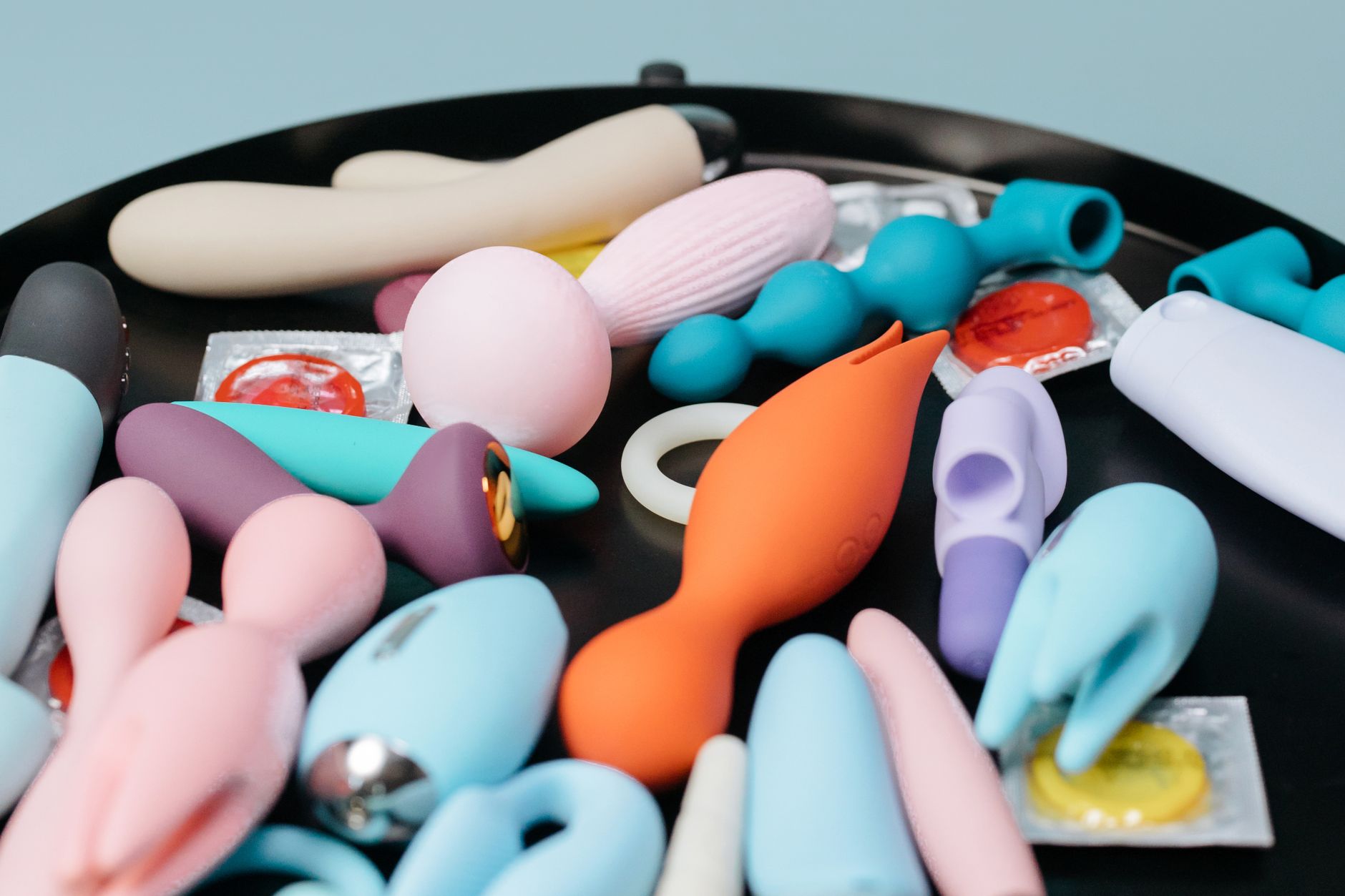
Photo by cottonbro studio on Pexels
Build in warm-up time before the toy
When arousal timelines shift, foreplay becomes less optional and more essential. Don't jump directly to the vibrator. Spend 5-10 minutes with touch, kissing, or mental focus first. This primes your nervous system. Blood flow begins moving. Nerve endings wake up. Then introduce the lemon vibrator.
You're not wasting time. You're meeting your body where it actually is, rather than where it used to be. That 5-10 minute investment often cuts total time to arousal because your body is already in motion when the toy arrives.
If you're partnered, frame this clearly: "I want us to spend more time together at the start." Reframe longer foreplay as a choice, not a deficit.
Water-based lube becomes non-negotiable
When arousal takes longer, natural lubrication production might also lag. This isn't a sign of desire dropping. It's another hormonal effect. Water-based lubricant bridges that gap immediately. It makes the lemon vibrator more effective because suction works better with existing moisture. It also removes the frustration of waiting for your body to produce what it might not produce quickly.
Apply lube directly to the toy or to your vulva before starting. Many people find that knowing lube is already there reduces performance anxiety and lets arousal focus shift to sensation instead of worry.
Distraction is the real enemy
When arousal takes longer to build, mental space becomes crucial. If your brain is tracking time ("Why isn't this happening yet?") or managing external noise or relationship tension, your arousal timeline stretches even further. This is where many people get stuck thinking something is permanently broken, when really they just need protected time and mental permission.
Turn off notifications. Close the door. Give yourself the specific message: "This will take as long as it takes, and that's fine." This single mental shift often accelerates arousal more than any physical change.
Pattern progression as arousal builds
With a lemon vibrator, you're not locked into one rhythm. Start at pattern 1 and stay there for several minutes. As sensation builds and your body responds, gradually increase to pattern 2, then 3. This mirrors the natural arc of arousal. You're not forcing intensity. You're meeting your body's increasing responsiveness with matching stimulation.
Some people find they reach stronger orgasms using this gradual pattern progression than they ever did with intensity-first approaches. Your nervous system has time to fully engage with each level of sensation.
Hormonal timing within your cycle
If you're cycling, arousal timelines often shift predictably. In the follicular phase (first half of the cycle), when estrogen is rising, arousal typically builds faster. In the luteal phase (second half), when progesterone is high, arousal often takes longer and requires more direct stimulation.
Mapping your lemon vibrator use to your cycle makes sense. You're not fighting your body's chemistry. You're acknowledging it. Use lower patterns and longer warm-up time during phases when your hormones naturally slow arousal. Use this data to release the assumption that you should perform identically every single time.
When medication changes timing
Hormonal birth control, HRT, and even some antidepressants or blood pressure medications shift arousal timelines. If you've recently started or changed any medication, give yourself a solid month before concluding something is permanently altered. Your body is rebalancing. The lemon vibrator remains useful during this adjustment because it doesn't depend on your body reaching a specific arousal state to feel effective.
If arousal delays persist beyond a month, mention it to your doctor. Sometimes dosage or timing adjustments help. Sometimes switching medications helps. Don't assume you just have to accept a longer timeline forever if it's genuinely distressing.
The role of your partner in this shift
If you're in a relationship, your partner's awareness matters enormously. Many couples accidentally create tension around slower arousal. One person interprets delay as rejection. The other feels pressure to perform faster. A lemon vibrator actually helps here because it's a tangible tool that makes the shift visible.
Frame it as partnership: "My arousal timeline has shifted. Let's use this together to figure out what works." A partner who's present during lemon vibrator use, who provides touch or maintains eye contact, who isn't checking a clock, often becomes part of the solution rather than anxious about the problem.
FAQ: Hormonal changes and arousal timing
Why does my arousal take longer now when it never used to?
Estrogen, progesterone, testosterone, and other hormones directly control blood flow, nerve sensitivity, and how quickly your nervous system responds to stimulation. When hormonal levels shift, even slightly, these pathways change. This is true during perimenopause, postpartum recovery, medication changes, or natural hormonal cycling. Your body isn't broken. The chemistry underneath arousal has simply been recalibrated.
Can a lemon vibrator really help if arousal is slow?
Yes. Clitoral suction vibrators like the Lem are specifically designed to create sensation without requiring high baseline arousal. You can start using it before you feel fully turned on, and the sensation itself helps build arousal. This is different from traditional vibrators that work better once arousal is already climbing.
How long should I expect arousal to take if my hormones have shifted?
There's no universal timeline, but budget 15-25 minutes for the full arc from zero to orgasm when hormones are affecting speed. This often includes 5-10 minutes of foreplay before the toy even comes out. This isn't abnormally long. It's just different from before. Many people find that slower arousal actually leads to deeper sensation and more satisfying orgasms once they stop fighting the timing.
Should I be concerned if arousal timing changes suddenly?
Sudden, dramatic changes sometimes signal underlying health issues worth mentioning to your doctor. Gradual shifts over weeks or months as you age, adjust medications, or move through your cycle are normal. If the change feels abrupt and distressing, get it checked out. Most of the time it's hormonal recalibration. Occasionally it's worth ruling out other factors.
Does lube actually help a lemon vibrator work better?
Absolutely. Suction-based stimulation works optimally with moisture present. Water-based lube makes the seal more effective and sensation more pronounced. It also removes one source of performance anxiety (waiting for natural lubrication) so your brain can focus on arousal instead of management.
If my partner isn't present, how do I use a lemon vibrator when arousal is slow?
The same approach works solo: warm-up time, lower patterns, water-based lube, and mental permission for the timeline to extend. Many people find that solo use during slower arousal phases is less mentally taxing because there's no performance pressure. You can focus entirely on what your body is actually experiencing rather than managing someone else's experience or timeline.
What actually matters here
Hormonal changes that slow arousal aren't a personal deficit. They're a signal that your body chemistry has shifted, and that shift deserves a different approach, not a faster one. A lemon vibrator, paired with realistic expectations and genuine warm-up time, transforms what feels like a problem into simply different timing.
Your pleasure isn't diminished by slower arousal. Often it's deepened. You have permission to work with your body's current rhythm instead of chasing the timeline you remember. That's not compromise. That's actually understanding what you need.
If slower arousal feels distressing or if you're unsure whether hormonal shifts are responsible, reach out to your doctor or a therapist who specializes in sexual health. If it's simply a recalibration you're learning to navigate, the strategies here work. Be patient with yourself. Your body isn't asking you to go faster. It's asking you to pay attention.
Want to explore how different lemon vibrators compare, or need specific guidance on which pattern works best for your body? We're here to help. Get in touch anytime.