Here's what nobody tells you about new partners and your body
Your body remembers. Not in a mystical way, but in a deeply physical one. When you move from one partner to another, your arousal patterns shift. Lubrication might feel different. Your clitoris might respond at a different pace. Your pelvic floor might feel more tense or, paradoxically, more relaxed. This isn't a sign something's wrong. It's a sign your nervous system is recalibrating to an entirely new person.
I've worked with hundreds of couples navigating this transition, and the pattern is always the same. Someone says, "I feel like my body isn't responding the way it used to," and underneath that statement is usually anxiety: "Am I broken? Do I not want them? Is the chemistry not there?"
None of those things are necessarily true. Your body is just doing its job. It's assessing, learning, building trust. And yes, that can mean your natural lubrication patterns shift in ways that feel unfamiliar or even frustrating.
Why your lubrication changes with a new partner
Let's start with what's actually happening physiologically. Arousal isn't just about wanting someone. It's about your nervous system feeling safe enough to activate your parasympathetic response. That's the system responsible for blood flow to your genitals, vaginal expansion, and natural lubrication.
With a long-term partner, your body knows the rhythm. The familiar touch. The reliable patterns. Your nervous system has learned, over months or years, that this person is safe. That activation happens faster and more completely.
With a new partner, even if you're really into them, your body is still collecting data. Your nervous system is asking: What's this person's energy? How do they respond when I communicate? Can I relax completely? That unconscious risk-assessment takes metabolic energy, and it can absolutely affect how quickly lubrication builds.
Additionally, new relationship energy brings stress hormones. Adrenaline and cortisol. These compete with the hormones that support sexual arousal. You might feel genuinely turned on mentally, but your body's lubrication might lag behind your desire. That's biology, not broken attraction.
Third factor: touch patterns change. Every person touches differently. Pressure, rhythm, location. Your arousal system has to recalibrate to entirely new sensory input. That recalibration period is real and it's normal.
What this means for using lemon clitoral vibrators with a new partner
Here's where the lemon vibrator becomes genuinely useful. A lemon vibrator, with its suction-based stimulation, doesn't require the same level of prior lubrication that penetrative sex or even some other vibrators do. The suction mechanism works on the sensitive nerve endings of the clitoris regardless of lubrication level.
That said, there are adjustments worth making.
First, most people find that they need to start at lower intensity settings with a new partner present. Not because the lemon vibrator itself is different, but because your nervous system is slightly more activated. A lower setting feels more spacious. It lets you focus on the sensations and your partner's presence without overwhelming your system. You can always turn up the intensity as you settle in together.
Second, lubrication does still matter. Water-based lube isn't just about comfort. It changes the glide and sensation. With a new partner, even if your natural lubrication builds normally, adding lube can actually relax your nervous system because it removes any friction-related worry. That mental ease can actually increase your natural lubrication over time. Weird, but true.
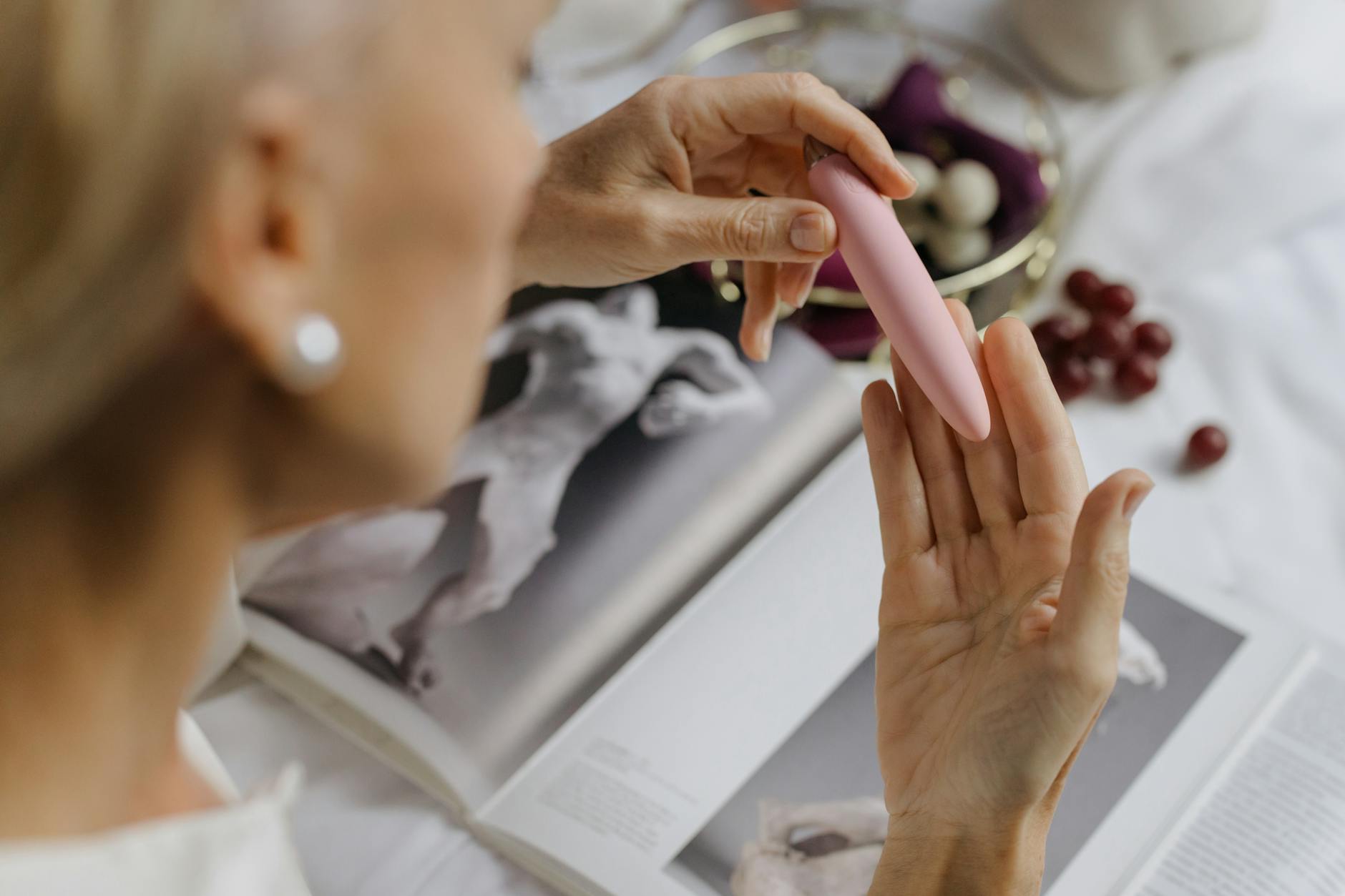
Photo by cottonbro studio on Pexels
Third, time matters more than you'd think. Rushing into using a lemon vibrator with someone new can actually backfire because you're fighting your own nervous system's timeline. You want to be at a place where you're genuinely relaxed, not just mentally willing. That might take longer than it did with your ex. That's okay.
The mental piece, which is honestly the bigger piece
Here's where this gets real. Using a lemon vibrator with a new partner requires a level of vulnerability and communication that many people skip. You have to tell them. You have to watch their reaction. You have to trust that they're not going to interpret it as rejection or inadequacy on their part.
New partner energy makes people insecure. They're thinking things like: "Does she need the vibrator because I'm not good enough?" or "Is she really into me if she needs this?" These are understandable fears, but they're also based on nonsense.
The conversation that actually helps is this: "I want to try a lemon vibrator with you because I trust you. My body's been getting to know you, and I think adding this would feel really good for both of us." Notice what that does. It reframes the vibrator from "I need this to compensate for something missing" to "I want to deepen this with you."
That reframe matters because it's true. Your body changing how it responds to a new partner isn't a deficit. It's an opportunity to explore together. A lemon clitoral vibrator becomes part of that exploration, not a workaround.
Practical setup for using a lemon vibrator early in a new relationship
Let's get specific. You've decided you want to introduce a lemon vibrator with your new partner. Here's what actually works.
Start outside the bedroom, in conversation. Not during sex, not in the moment. Just: "I really like using this. I'd love to try it with you sometime." Gauge their response. Most partners are curious or enthusiastic. Some need reassurance. Giving them that time to process is worth it.
When you're actually ready, set yourself up for relaxation. That might mean you're on top, where you have control. It might mean low lighting. It might mean you've had time to warm up separately first. The goal is not to surprise yourself or your partner with how intense a lemon vibrator is when you're not ready for it.
Start at setting 1 or 2. Yes, even if you usually go higher. Your nervous system is doing extra work in this environment. Lower intensity lets you experience the sensation without overwhelm. As you relax, you can turn it up.
Use lube. Even if your natural lubrication seems fine. The extra slickness changes everything. It also gives you something to do with your hands if you're nervous. Apply it together. Make it part of the experience.
Most importantly, tell your partner what feels good. Not later. Right then. This does three things. It gives them real-time feedback so they're not guessing. It keeps your nervous system engaged and present instead of worried. And it builds the communication muscle that actually makes new relationships last.
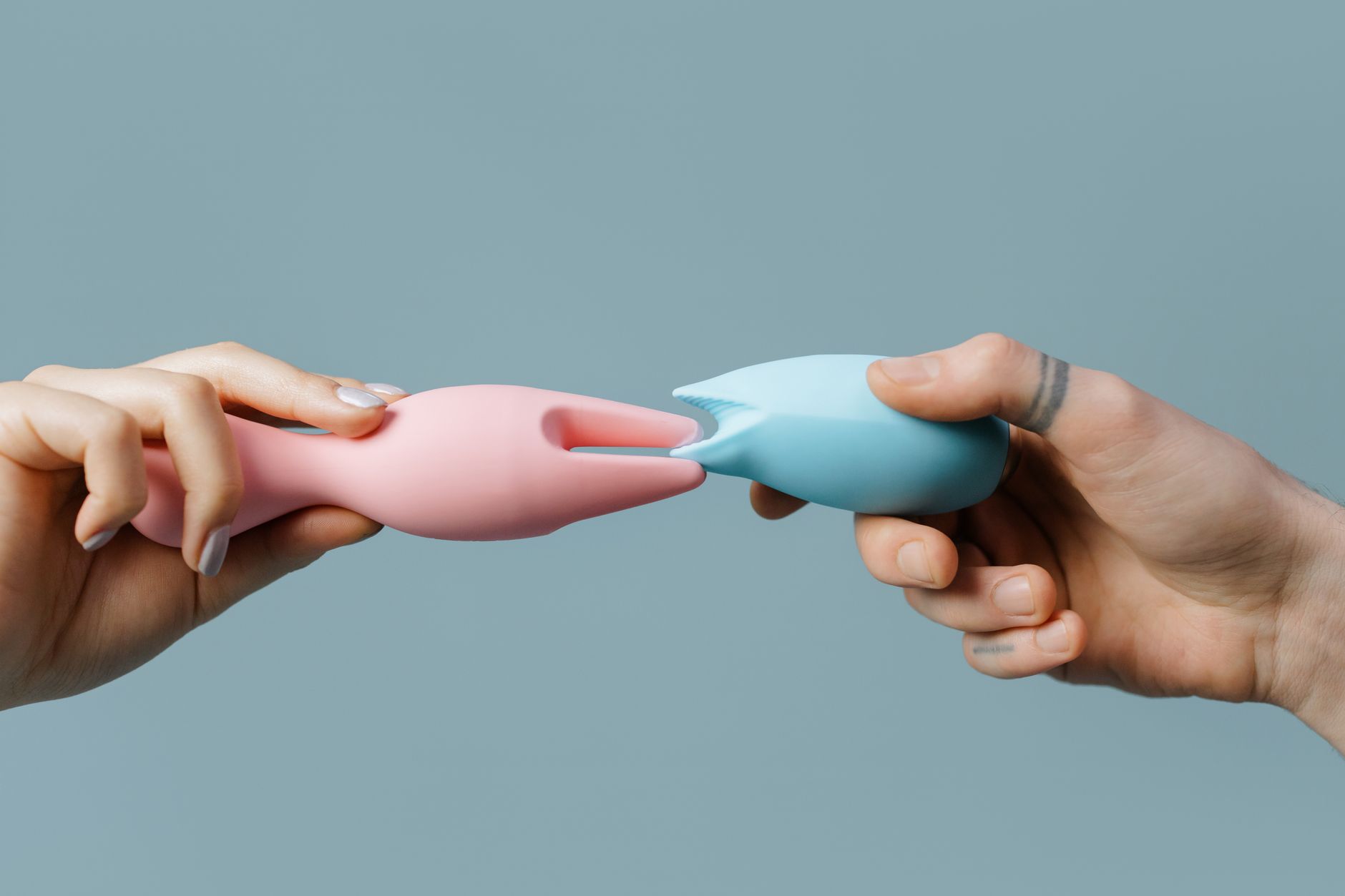
Photo by cottonbro studio on Pexels
When lubrication changes signal something else
There's a difference between "my lubrication feels different because my nervous system is recalibrating" and "my lubrication is completely absent and I feel pain." The first is normal transition. The second might be worth checking in with a doctor, especially if you're on new medications or if something else has shifted hormonally.
If you're genuinely anxious or stressed about the relationship itself, that can tank lubrication completely. That's not a lemon vibrator problem. That's information your body's giving you about the relationship. Worth paying attention to.
But if you're just in that normal new-partner adjustment phase? The one where everything's learning each other? That's when a lemon vibrator becomes less of a tool to fix something and more of a language you're learning together.
The long game
Most of my clients find that after about three to six months with a new partner, their arousal patterns stabilize. Lubrication comes faster. The lemon vibrator still feels great, but it's no longer compensating for anything. It's just part of how they explore pleasure together.
That normalizing is worth celebrating. It means your nervous system has decided this person is safe. Your body has built enough trust to fully show up. That's actually what you want, and it's not something you can force.
Use this transition period intentionally. Learn together. Try how to use a lemon vibrator when you want deeper connection with your partner as a reference. Communication during this phase sets the tone for how you'll handle other transitions later. That's worth more than any single perfect orgasm.
Frequently asked questions
Why does my body produce less lubrication with someone new even though I'm attracted to them?
Attraction is one factor in lubrication, but it's not the only one. Your nervous system's sense of safety, stress hormone levels, and how comfortable you feel being vulnerable all play major roles. With a new partner, even one you're very into, your unconscious mind is still assessing trust. That assessment can delay or reduce lubrication production even when desire is genuinely there. This is completely normal and usually shifts as the relationship deepens.
Is using a lemon vibrator a red flag that the chemistry isn't right with someone new?
No. Using a lemon clitoral vibrator with a new partner is actually a sign of self-awareness and good communication. It means you know your body, you're willing to explore, and you're inviting your partner into that exploration. That's the opposite of a red flag. If someone interprets your use of a vibrator as rejection, that's information about them, not about your chemistry.
How do I introduce a lemon vibrator if I'm worried my new partner will feel insecure?
The framing matters hugely. Instead of "I need this because you're not doing it right," try "I've always enjoyed this and I'd love to share it with you." Make it collaborative, not corrective. Most secure partners are genuinely curious and excited. If your partner responds with real insecurity, that's actually useful information early on about how they handle vulnerability and novelty.
Should I use lube with a lemon vibrator even if I have enough natural lubrication?
Yes. Water-based lube changes the sensation in ways that feel really good and extends comfort during longer sessions. It also removes any friction-related worry, which paradoxically can help your body produce more natural lubrication over time. Think of it as part of the experience, not as a sign you need it.
Does it take longer to build arousal with someone new, or is that just me?
It's not just you. New partner arousal genuinely does take longer for many people. Your nervous system is processing new sensory information, new patterns, new energy. That takes metabolic resources. Once your body becomes familiar with a partner, arousal can build faster. This is normal biology, not a personal flaw.
Can I use different lemon vibrator settings with a new partner, or should I stick to one?
You can absolutely experiment with different settings, but most people find it easier to start lower and work up over time rather than starting at the intensity they'd use alone. Your nervous system is doing more work in this context, so a gentler approach usually feels better. As you relax and become more comfortable, you'll naturally find the settings that work best.
The real takeaway
Your body isn't broken when lubrication feels different with a new partner. It's actually working exactly as it should. It's being cautious, gathering data, building safety. That process takes time, and during that time, a lemon vibrator can be a genuinely joyful tool for exploration and connection. Use it intentionally, communicate clearly, and trust your nervous system to guide you toward what feels good.