
Here's the thing about mismatched pleasure
One of you finishes in five minutes. The other needs fifteen. One person wants intensity from the jump. The other prefers a slow build. You love foreplay. Your partner thinks it's a waste of time. Nobody's broken. The timelines just don't sync, and instead of talking about it, you've both learned to rush, hold back, or pretend it doesn't matter.
It matters. And a lemon vibrator doesn't fix bad communication, but it does give you something honest to work toward together.
Why lemon vibrators specifically help with mismatched arousal
Clitoral suction feels radically different than vibration because it works on a separate set of nerve endings. For the partner who needs to build arousal more slowly, a lemon vibrator's graduated intensity settings mean they can start at pattern 1 or 2 without feeling overwhelming. For the partner who gets there fast, you've got patterns 5-7 to maintain engagement once both of you are ready.
But here's the real win: using a lemon sucker together makes the speed mismatch visible and solvable instead of awkward and hidden. One person isn't waiting while pretending not to wait. Both of you are actively working toward the same moment.
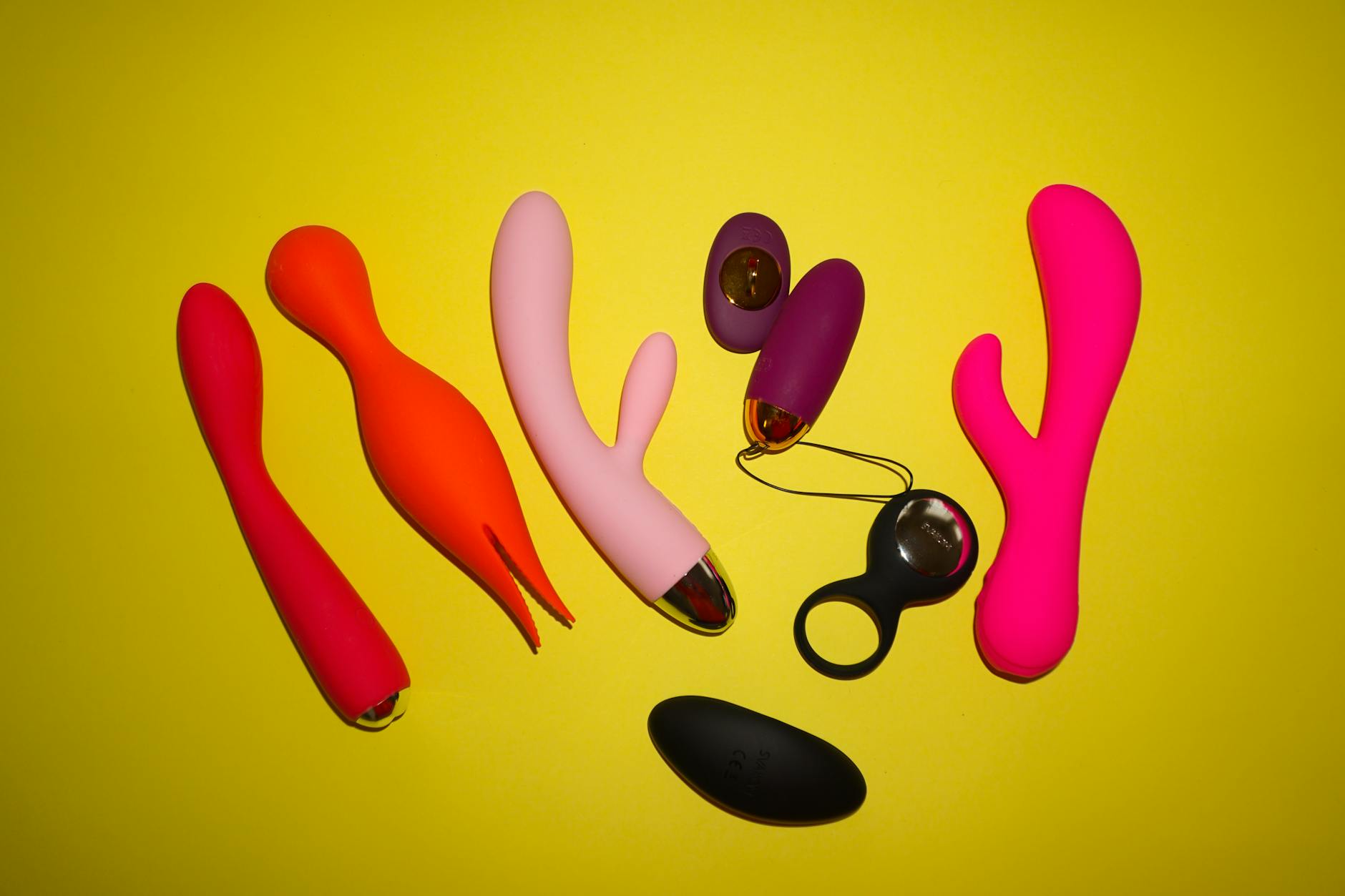
Photo by DRT.fm on Pexels
The conversation that has to happen first
Before you bring anything into the bedroom, you need to name what's actually happening. Not in a blame way. In a data way. "When we have sex, I notice I finish way faster than you do, and I think that makes you feel rushed" or "I need more time to get aroused, and I've been faking it to keep up with you."
This is not about hurt feelings. It's about information. You're gathering facts so you can build a real plan, not just a workaround.
Then ask what actually sounds good. Does the faster partner want extended foreplay so you're closer in timing? Does the slower partner want permission to use a toy solo before partnered sex starts? Does one of you want to prioritize their own pleasure first, then come together? There's no universal answer here. There's only what works for your bodies and your dynamic.
How to introduce a lemon clitoral vibrator without it feeling like a replacement
This is crucial because mismatched arousal often comes with baggage. The slower partner might feel like their body is the problem. The faster partner might feel rejected. Bringing in a toy can feel like proof that somebody's not doing it right.
So frame it this way: "I want us to have more time together where we're both actually enjoying ourselves, not one person waiting. This tool might help that happen."
Then practice together first. Not during sex. Show each other. Let the person who typically uses it explore it on their own body while the other person watches. Let the faster partner try the graduated settings. Let the slower partner feel how the intensity builds. You're demystifying it, not sneaking it in.
A practical sequence that actually works
Here's what I recommend to couples dealing with speed mismatches.
Phase 1: Solo warm-up (10-15 minutes). The partner who usually needs more time uses the lemon vibrator on their own while the other partner engages however feels natural. Manual stimulation, kissing, whatever. No pressure to rush. The idea is that the slower partner gets to feel their own arousal build without anyone watching the clock.
Phase 2: Transition to partnered touch (5-10 minutes). The lemon vibrator stays in play, but now the faster partner is involved. They might use it on you, or you keep going while they touch you elsewhere. The point is that you're syncing up physically while the vibrator maintains consistent stimulation.
Phase 3: Mutual engagement (however long feels right). Now both of you are getting what you need. The person with the vibrator has steady stimulation. The other person has access to their partner's body, attention, connection. You're not waiting. You're not rushing. You're just there together.
This sequence takes longer than your old default, but it's shorter than the mental math you've both been doing (them waiting, you overthinking it). And because you're both actually satisfied, the experience reinforces itself instead of creating resentment.
When to use specific intensity settings
Most people assume they should always go straight to the highest pattern. Wrong. Pattern intensity should match arousal level, not ambition.
Start at pattern 1 or 2 if you're using the lemon vibrator early in foreplay. This gives your nervous system time to warm up without shock. If pattern 1 feels boring, you can always bump up. You can't unbake that escalation if you start at 6.
Once you're genuinely aroused, patterns 3-5 tend to feel sustaining. They maintain that feeling without pushing you over the edge unless you want to go there. Patterns 6-7 are for when you actually want orgasm, not for the whole experience.
Your partner should know this too. If they're watching you use the vibrator and wondering why you're not racing toward orgasm on the highest setting, it's because you're not chasing the finish. You're building the experience.
The emotional part matters more than the mechanics
After years of mismatched arousal, both partners often carry some shame. The faster person feels selfish or broken. The slower person feels defective or demanding. A toy doesn't fix that by itself. What fixes it is actually talking about what you both need and then following through.
When you use a lemon clitoral vibrator together with intention, you're saying: "Your pleasure is worth this time. My pleasure is worth this time. We both matter here." That's not subtle to your nervous system. That lands.
The couples I work with who actually solve this problem aren't the ones who buy the fanciest toy. They're the ones who got honest about the speed mismatch, named it without shame, and then committed to finding a rhythm that works for both of them. The toy is just a tool that makes that rhythm visible and sustainable.
What happens if it still doesn't click
Sometimes couples try this and realize the arousal mismatch isn't really the problem. It's a symptom of something else. Maybe there's distance in the relationship that's showing up as a body thing. Maybe one partner's libido has actually shifted and it's not about speed, it's about frequency. Maybe there's resentment that isn't about sex at all.
If you've tried the lemon vibrator approach and it's still not landing, that's actually valuable information. It means you need a different conversation, not a different toy. That's when talking to a relationship therapist starts to make sense. They can help you figure out what the mismatch is actually about.
But honestly, for most couples dealing with basic speed asymmetry, this approach works. It requires vulnerability, real communication, and willingness to try something new together. That's the real work. The lemon sucker just makes it easier to do.
FAQ
How do I know if my partner will be receptive to using a vibrator together?
You ask. Directly. "I've been thinking about ways we could make sex feel better for both of us, and I'm wondering if you'd be open to trying something together." Their answer tells you what you need to know. If they say yes, great. If they say no, you respect that and explore other options. The receptiveness matters more than the tool.
What if my partner thinks using a vibrator means I'm not satisfied with them?
That's a fear conversation, not a sex conversation. Address it separately. "When I suggest this, I want you to hear that I want more time with you, not less. I want us to feel good together. This helps that happen." Make it collaborative, not corrective.
Can a lemon clitoral vibrator actually help sync our arousal timelines?
Yes, but not magically. It helps by giving the slower partner consistent stimulation while the faster partner stays engaged, which brings your timelines closer together. The real magic is in the communication that happens before and after using it.
How often should we use a vibrator if we're trying to fix arousal mismatches?
Start once a week if you're trying to build a new pattern. Use it for at least 3-4 weeks before deciding if it's working. Your nervous system needs repetition to trust a new rhythm.
Should I use a lemon vibrator solo first before introducing it to my partner?
Absolutely. Get comfortable with how it feels on your body. Know what patterns work for you. That makes introducing it to your partner way less awkward because you're not both figuring it out in real time.
What if one partner wants the vibrator and the other doesn't?
That's okay. Start with solo use, let the curious partner explore alone, and gradually invite the other to watch or participate if they're interested. Pressure kills arousal. Curiosity invites it.
The actual point
Mismatched pleasure isn't a failure. It's a detail that most couples ignore until it becomes resentment. When you actually address it together, when you stop pretending the speed mismatch doesn't exist, something shifts. You're not just having sex. You're building something that works for both of you.
A lemon vibrator is just the tool. The real work is showing up and being honest about what you both need. When you do that, arousal stops being something you rush through and starts being something you actually share.
If you're ready to have this conversation but not sure where to start, we're here. Get in touch at /contact and we can talk through what might work for your specific situation.