When desire disappears, it's not laziness or broken wiring. Here's what actually kills arousal, why it matters, and how the right tool can help you find your way back.
Low libido isn't a character flaw. It's a signal. Your body and brain are telling you something is off balance, and the worst thing you can do is shame yourself into ignoring it. I've sat with hundreds of people across three decades of clinical work who came to my office thinking they were broken. They weren't. They were just tired, stressed, disconnected, or physically depleted in ways that literally suppress arousal.
Desire is fragile. It needs safety, bandwidth, and sometimes a little external support to reignite. That's where understanding the actual mechanisms matters.
Hormones get blamed for everything, and yes, they matter. But most people's low desire isn't hormonal. It's relational, emotional, or circumstantial.
Here are the actual culprits:
Depletion and invisible labor. If you're managing a household, caring for kids, aging parents, or working full-time (or all of it at once), your nervous system is in chronic output mode. Arousal requires a parasympathetic state. Your brain can't flip to pleasure when it's still tracking a dozen other tasks. This isn't about willpower. Your body is literally unavailable.
Disconnection from your partner. Low libido in relationships often signals a rupture in emotional intimacy. You can't want sex with someone you feel distant from. This doesn't mean the relationship is over. It means the relationship needs attention before the bedroom will.
Touch starvation paired with pressure. Ironically, low-desire partners often feel touched-out by kids or pets, then pressured about sex by partners. The body resists. When the only touch offered is sexual, arousal switches off as a boundary.
Anxiety and intrusive thoughts. Your brain lists worries instead of desire. Performance anxiety makes it worse. The more you panic about low libido, the more it digs in.
Medication and medical shifts. SSRIs, birth control changes, thyroid issues, and autoimmune conditions absolutely tank desire. This is medical, not personal.
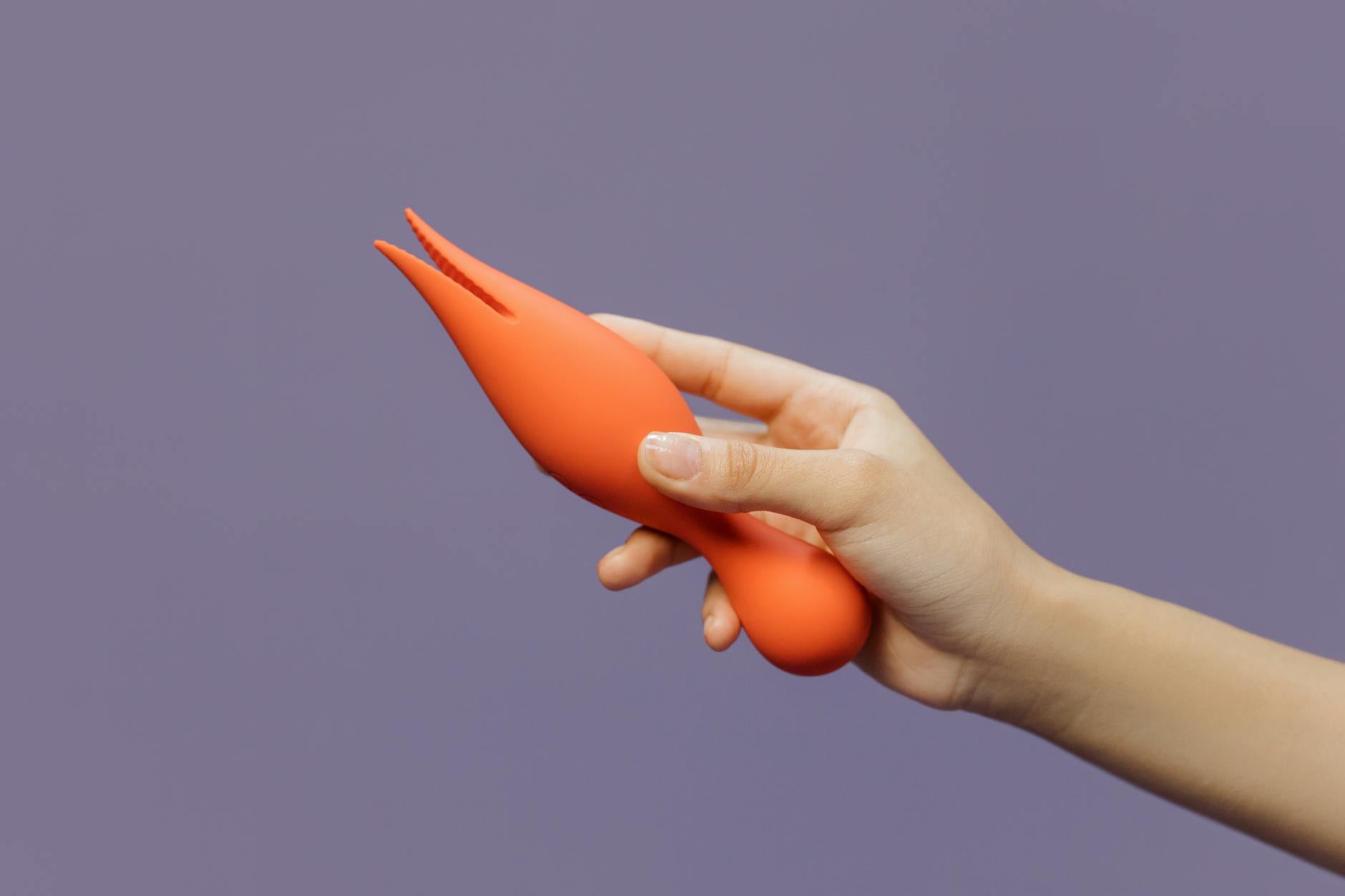
A lemon vibrator isn't a magic fix for low libido. But it's a useful reset button for one specific reason: it lowers the activation energy for pleasure.
When desire is low, the thought of initiating or engaging feels like one more demand on your already-full tank. A clitoral vibrator like the Lem makes solo pleasure low-friction. You don't need partner coordination, reciprocation anxiety, or the mental load of performance. You're exploring sensation on your own terms, with your own pacing.
The suction mechanism of lemon sexual toys is particularly useful here. Unlike traditional vibration, suction creates a gentler, more diffuse stimulation that doesn't require the same mental focus to feel good. Your nervous system can relax into it.
Many people find that rediscovering pleasure alone rewires their relationship to desire. Solo exploration reminds you what arousal feels like, which creates a template your brain can return to. It also, weirdly, often improves partnered sex because you're not carrying the pressure of being the responsive one.
Part one: reduce the load. This is unsexy but essential. Look at your schedule and cut something. Not everything, but something. You cannot access arousal while running on empty. This might be saying no to a social obligation, outsourcing a household task, or setting a boundary about work email after 7 p.m. The specific thing matters less than the principle: you're creating margin.
Part two: reconnect to sensation without goal. Spend 10-15 minutes twice a week exploring your body with curiosity, not trying to reach orgasm. This might be a bath, self-massage, or yes, using a lemon vibrator on the lowest setting just to notice what feels interesting. The goal is sensation, not climax. This rewires the nervous system's permission structure around pleasure.
Part three: rebuild emotional intimacy with your partner. If you're in a relationship, the most powerful libido booster isn't lingerie or role-play. It's conversation. Sit down without sex on the table and talk about what you're actually feeling. What's making you feel distant? What do you need from them that you're not getting? What do they need from you? This is vulnerable. It's also the fastest path back to desire.
If low libido has persisted for more than three months, a check-up with a doctor makes sense. Rule out thyroid dysfunction, vitamin deficiencies, or medication side effects. These are fixable.
If you're in a relationship and the disconnect feels bigger than just low libido, couples therapy isn't a sign of failure. It's a signal that the relationship could use a skilled mediator. I've seen couples reconnect profoundly when someone helps them articulate what's actually blocking them.
If you're experiencing low libido alongside depression, anxiety, or numbness in other areas of life, talk to a therapist or your GP. That's not about sex. That's about your overall wellbeing.
Here's what I tell people: you don't owe anyone desire. Not a partner, not a fantasy, not a version of yourself from five years ago. Desire is something you cultivate with yourself first. You get to explore what feels good on your own timeline, at your own pace, without performance pressure.
That permission often unlocks more than any tactic. When you stop fighting yourself and start listening to what your body actually needs, arousal starts returning.
A lemon vibrator is just a tool. But a good tool, in the hands of someone who's given themselves permission to play and explore, can be exactly the reset button that reminds you: pleasure isn't gone. You're just temporarily disconnected from it.
It depends on what tanked it. If it's exhaustion and stress, 4-6 weeks of reduced load and reconnection often shifts things. If it's relational, count on 8-12 weeks of intentional work. If it's medical or medication-related, the timeline is set by whatever change needs to happen (new medication, thyroid treatment, etc.). The common denominator is patience. There's no sprint back to desire.
Can using a lemon vibrator alone fix low libido in a relationship?
No. A clitoral vibrator can help you reconnect to your own pleasure, which is foundational. But if the low libido is signaling a relationship problem, the vibrator won't solve that. Use it as part of a bigger conversation with your partner about what's actually off. Many couples find that solo pleasure exploration, paired with honest conversation, reignites their sex life together.
Is low libido after a long relationship normal?
Completely normal. The dopamine hit of new relationship energy fades. If you've been together for years, desire naturally shifts from passionate to intimate (or sometimes just to low). If it's become zero and you're unhappy about it, that's a sign to invest in reconnection, not a sign the relationship is over.
What if my partner has low libido and I don't?
This is one of the most common mismatches in long-term relationships. The most important thing is to stop treating it as a problem with them and start treating it as a problem you're solving together. Ask them what would help. Maybe it's less pressure, maybe it's more non-sexual touch, maybe it's therapy. Don't demand desire. That only kills it further.
Does alcohol or cannabis help low libido?
Temporarily, maybe. But it masks the problem, not solves it. Over time, both suppress arousal and make reconnection harder. If you're using substances to access desire, that's worth examining with a professional.
How do I know if my low libido is a red flag or just a phase?
If it's accompanied by numbness in other areas of your life, persistent sadness, or relationship rupture, it's pointing to something bigger. If it's situational (new baby, new job, grief, medical change), it's likely a phase. The difference: phases respond to change. Bigger issues need support to address.