Here's the thing about sensation
Your clitoris doesn't experience all touch the same way. A vibrator that hums at 3000 RPM triggers a completely different neural response than something that creates gentle suction. Both feel incredible. Neither is objectively "better." But they're accessing your pleasure differently, and knowing the distinction matters when you're choosing what's right for your body.
I've worked with hundreds of people exploring their pleasure, and one of the most common surprises is discovering that what worked for them at 25 doesn't land the same way at 35 or 45. Sensitivity shifts. Preferences change. The lemon clitoral vibrator and traditional vibration-based toys represent two distinct approaches to clitoral stimulation, and understanding how they differ can help you find what actually works for you instead of guessing.
How suction-based stimulation actually works
A lemon vibrator (sometimes called a lemon sucker or suction vibrator) uses air-pulse technology to create rhythmic suction around the clitoris. Instead of buzzing directly against the tissue, it gentle pulls on the area, stimulating the thousands of nerve endings in and around the clitoral bulb. Think of it like a mouth creating a soft, pulsing sensation.
The science here is straightforward. Your clitoris is way bigger than the part you see. It extends internally in a wishbone shape, with sensitive tissue that isn't directly accessible. Suction reaches into that internal structure in a way that direct vibration doesn't. The sensation is more diffuse, often described as fuller or more encompassing than the pinpointed intensity of a vibrator.
The intensity also builds differently. With a lemon clitoral vibrator, you usually start at a lower setting and gradually increase, and the sensation tends to build in waves rather than staying constant. Many people report that this creates a different kind of orgasm. Bigger. Slower to arrive. Longer.
What traditional vibration does to your nervous system
A standard vibrator (whether wand, bullet, or egg-shaped) creates direct mechanical stimulation through rapid oscillation. It's fast, consistent, and highly focused. That intensity works for some people beautifully. For others, it can feel overwhelming or too much.
Vibration tends to be more immediate. You turn it on, intensity kicks in, and sensation is localized to wherever the toy is touching. The nerve endings being activated are slightly different. You're getting rapid-fire input rather than rhythmic suction, which means your brain processes the sensation as sharper, more urgent. For some people, that's exactly what triggers orgasm. For others, it can feel almost jarring.
The main practical difference: vibration-based toys often require more lubrication because they're creating friction. Suction toys don't. This matters more than you'd think if you have sensitive skin, dryness, or just don't want to deal with reapplying lube halfway through.
Physical sensitivity and which approach suits you better
Honestly, it comes down to your individual neurology. Some people have extremely sensitive clitorises and find anything touching directly to be too intense. Suction feels gentler because the stimulation is distributed over a broader area rather than concentrated in one spot. This is why so many people with vulvas who've struggled to orgasm with partners or traditional vibrators find relief with air-pulse technology.
Other people find suction too diffuse or subtle. They want that sharp, focused intensity that a vibrator provides. Both are totally valid. There's no "correct" way to experience pleasure.
If you're sensitive or have historically felt numb to stimulation, start with suction. If you respond well to focused pressure and enjoy strong sensation, traditional vibration might be your lane. And here's the weird part: your preference might shift depending on where you are in your cycle, your stress level, or just what your body needs that day. That's normal.
Why texture, shape, and design matter alongside technology
It's not just about suction or vibration. The form factor and surface finish play a huge role in comfort and effectiveness.
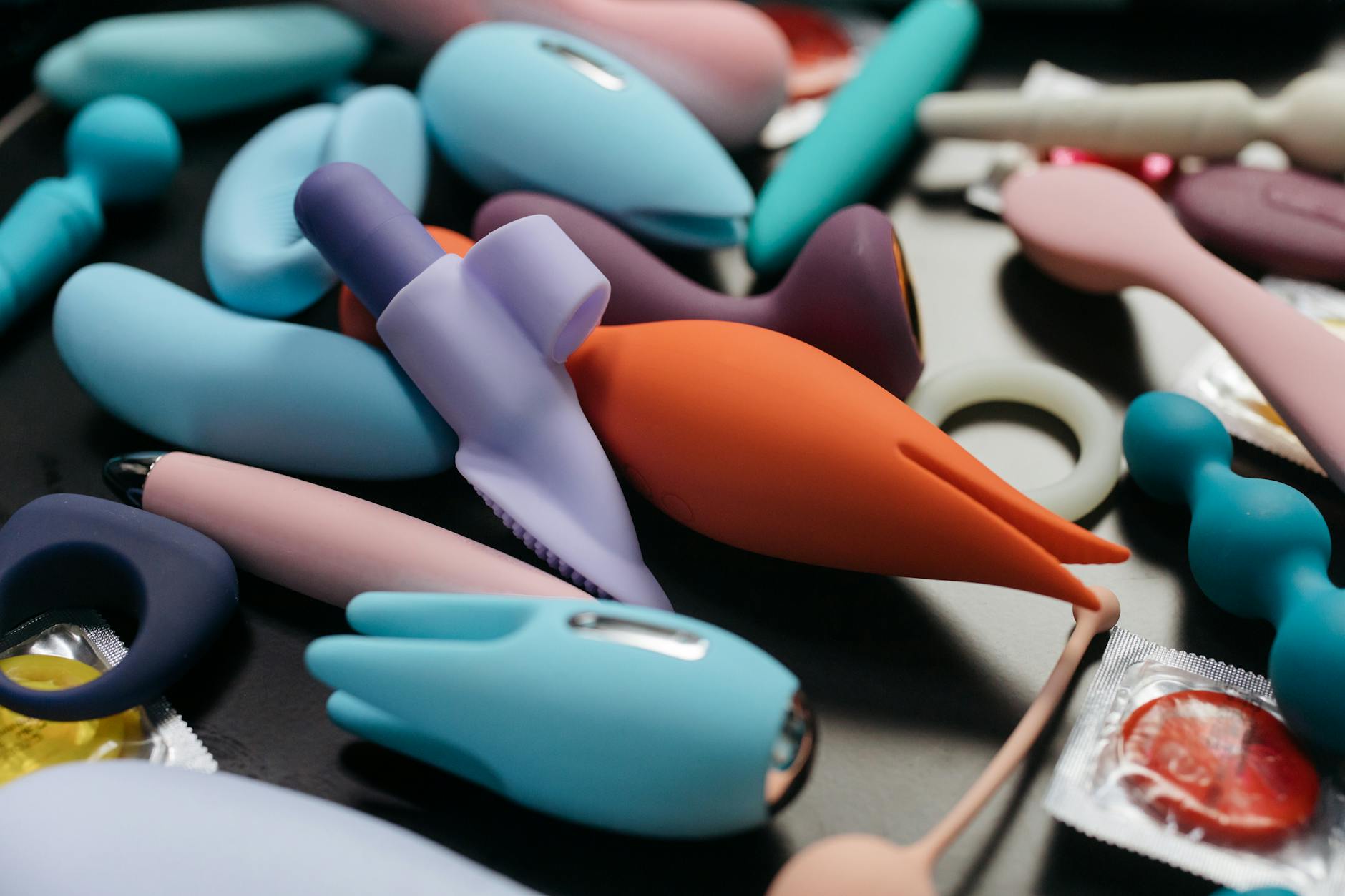
A lemon vibrator's shape mimics the external contour of your vulva, which means it sits against you naturally without requiring awkward positioning. The silicone is usually smooth, which feels good on sensitive tissue. Traditional vibrators come in every shape imaginable. A wand covers a bigger area. A bullet is precise. An egg or mini vibrator is discreet. There's no one better option. There's only what fits your anatomy and your intentions.
Think about what you actually want from a toy. Are you looking for something you can use during partnered sex? Something small enough to travel with? Something hands-free? These practical questions matter as much as the sensation itself.
The intensity conversation nobody has enough
Suction-based lemon clitoral vibrators typically max out at gentler intensities than traditional vibrators. This is partly by design (suction technology doesn't scale the same way as mechanical vibration) and partly because the sensation is already quite powerful even at lower settings.
If you're someone who needs high intensity to reach orgasm, you might find suction frustrating. If you find standard vibrators leaving you sore or numb, suction might feel like a revelation.
Here's what I tell people in session: start at the lowest setting on whatever device you choose. Go slow. Your body will tell you what it needs. You don't earn extra points for using the highest intensity. You earn pleasure by listening to your nervous system.
The solo play versus partnered play angle
Suction toys work beautifully for both, but the experience is slightly different depending on context.
During solo play, you control everything. You can take 20 minutes building with a lemon vibrator, exploring different settings and angles at your own pace. The slower climb to sensation suits that. You're in charge of rhythm and intensity.
With a partner, suction technology is a bit easier to use together because it's less intrusive. A traditional vibrator can feel jarring to someone used to physical touch and friction. Suction feels more like part of the interaction. That said, plenty of couples use vibration-based toys together successfully. It's about communication and finding what works for you as a unit.
Real talk on durability and maintenance
Both types require care, but they have different maintenance needs.
Suction toys need to create an airtight seal, which means the opening and silicone have to stay in good condition. They're usually easier to clean (no crevices) but do need regular inspection. Vibration-based toys are sometimes more durable because there's less that can wear out, but they can accumulate lint and debris more easily.
Battery life, charging, and noise are worth factoring in too. Suction toys are often quieter because they're not mechanically buzzing. Some people care about that. Some don't.
How to actually try both without wasting money
If you're curious about lemon suction vibrators but haven't tried one, the smartest thing is to read reviews from people describing the actual sensation, not just the specs. Look for phrases like "more diffuse," "waves of sensation," "less direct" (suction indicators) versus "sharp," "intense," "focused" (vibration indicators).
If you're going to invest, understand what you're choosing. A lemon vibrator is an intentional choice toward a different sensation profile, not just a trendy alternative to what you already own.
The integration into your pleasure practice
Most people who explore both end up using them in different contexts. A traditional vibrator for when you want quick, focused intensity. A suction-based lemon clitoral vibrator for when you have time and want a slower, more expansive experience. Or vice versa. Some people prefer one and never need the other. That's valid too.
Your pleasure practice is personal. It's not about owning the "right" toy or using it the "correct" way. It's about understanding your body well enough to know what actually feels good and giving yourself permission to pursue that.