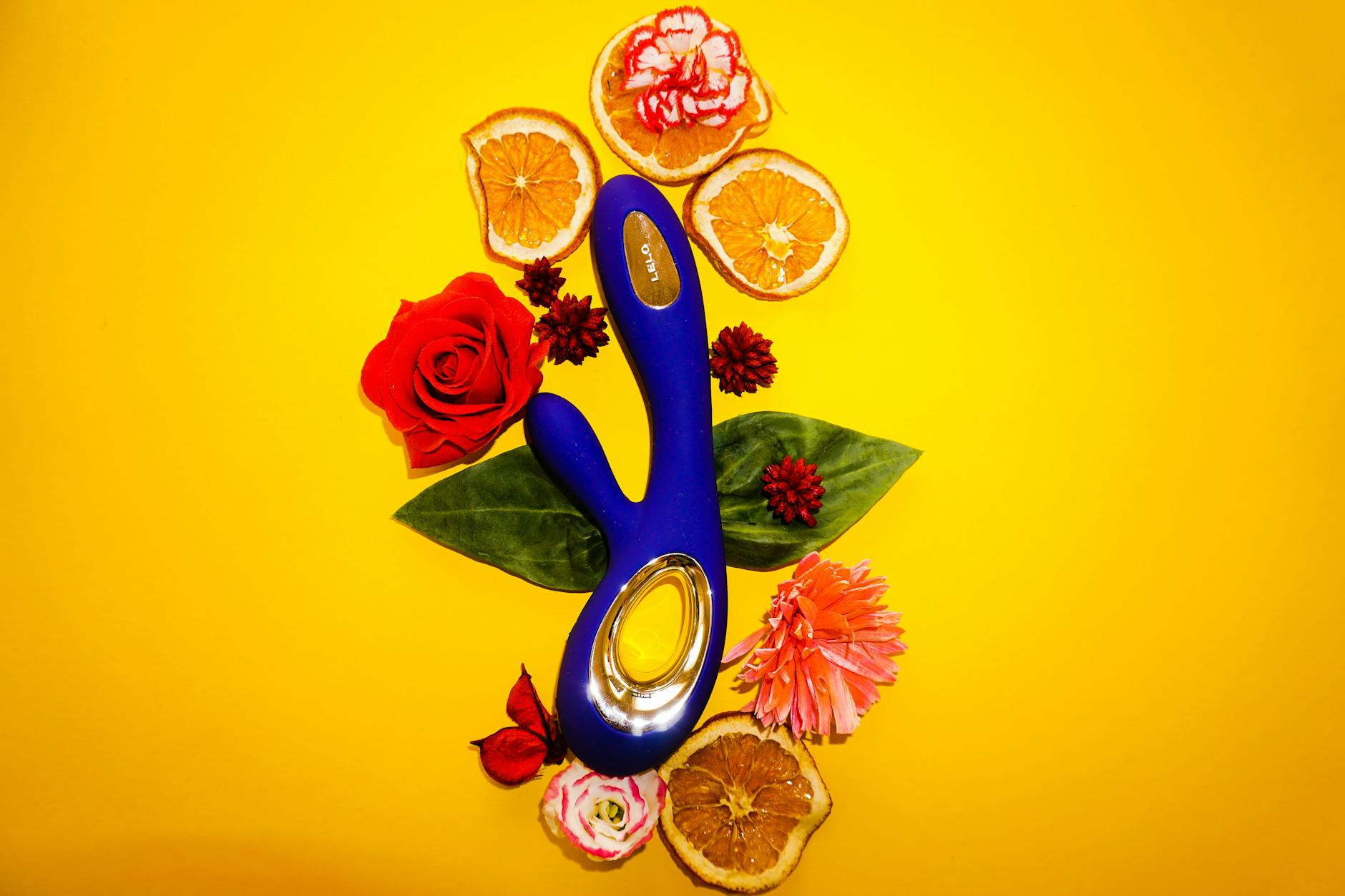
Why friction irritates, and suction doesn't
Let's be real: if your vulva reacts to almost everything. traditional vibrators make things worse. Buzzing against already-inflamed tissue feels like someone's rubbing sandpaper on a sunburn. The problem isn't the vibration itself. It's the friction.
Here's what actually happens when a standard vibrator touches sensitive skin. The rigid surface (silicone, glass, metal) moves back and forth against tissue that's already firing on every nerve ending. Each stroke causes micro-friction. Your skin barrier gets compromised further. Irritation compounds. By the time you stop, you're red, sore, and frustrated.
Suction works differently. A lemon clitoral vibrator creates gentle negative pressure instead of physical rubbing. The stimulation happens through the tissue layers, not across the surface. Your skin stays protected.
The neurology of suction versus friction
Your clitoris has roughly 8,000 nerve endings packed into an area the size of a pea. These nerves don't all respond the same way.
Friction activates the fast-adapting nerve fibers first. You get intense sensation quickly, which feels good initially. But sustained friction also activates pain receptors (C-fibers) and triggers inflammation. After 10 minutes, your nervous system is exhausted and irritated.
Suction activates deeper nerve layers differently. It stimulates slow-adapting mechanoreceptors that don't fatigue as easily. The sensation builds gradually and sustains longer without that "raw" feeling. For people with reactive vulvas, this means you can pleasure yourself for 20 minutes without consequences.
Material matters, but design matters more
Yes, silicone is gentler than plastic. Yes, body-safe materials reduce allergic reactions. But if you're choosing between a silicone vibrator with harsh vibration and a silicone lemon clitoral vibrator with suction, the design wins every time.
Here's why: a standard vibrator's surface area matters. A narrow vibrating tip concentrates force into a smaller zone. That increases pressure per square millimeter, which increases friction irritation. Broader contact feels less intense but also less irritating.
The Lem design spreads the suction zone across a wider opening. There's no concentrated pressure point. Instead of drilling down into tissue, suction gently lifts and releases. The silicone itself stays cool and flexible, so even on sensitive days, contact feels comfortable.
Reactive vulva syndrome is real (and underdiagnosed)
If you've noticed your vulva reacting to almost everything. you're not alone, and you're not broken. Irritant contact dermatitis of the vulva is wildly common and criminally under-recognized.
Common triggers include fragrance, douches, scented lubricants, tight fabrics, and yes. friction from aggressive toy design. The vulva has thinner skin than anywhere else on your body and a more sensitive microbiome. It's not delicate. It's specialized.
Once sensitivity starts, it compounds. Irritated tissue is more reactive tissue. A vibrator that was fine six months ago might feel awful now because your barrier is compromised. Switching to suction-based stimulation gives your tissue time to calm down while you still get to experience pleasure.
Why pattern and intensity control are crucial
Not all suction toys are created equal. A lemon vibrator that offers multiple patterns and intensity levels is your friend here.
Pattern 1 (the gentlest suction rhythm) should feel like a soft, rhythmic pulse. Not a vacuum. Not an aggressive suck. You should be able to use it for 15+ minutes without your vulva feeling tender afterward. If you feel sore or red after using Pattern 1 for a reasonable time, something's wrong. Either the toy's suction is too strong, or your tissue needs more recovery time.
Intensity control matters because sensitivity fluctuates. Some days your vulva feels bulletproof. Other days, the lightest touch makes you wince. A toy without dimmer control forces you to choose between too-much and nothing. The best lemon clitoral vibrators let you start at 20 percent power and work up only if you want to.
The recovery piece most people miss
If you have a reactive vulva, using a toy (any toy) is like exercise. Your tissue needs recovery time. That doesn't mean you can't use a lemon vibrator daily. It means you need to vary intensity and duration.
Suction toys actually help tissue resilience because they don't cause ongoing micro-trauma the way friction does. But even with a gentler design, pacing matters. Use Pattern 1 for 10 minutes today. Maybe Pattern 2 tomorrow if you're feeling it. Give yourself one day a week with no penetration, no toys, no stimulation. Let your vulva just be.
This is especially important if you're also managing a condition like lichen sclerosus, vulvodynia, or a history of yeast infections. Suction-based stimulation is your best bet, but even then, consistency and moderation beat intensity and frequency every single time.
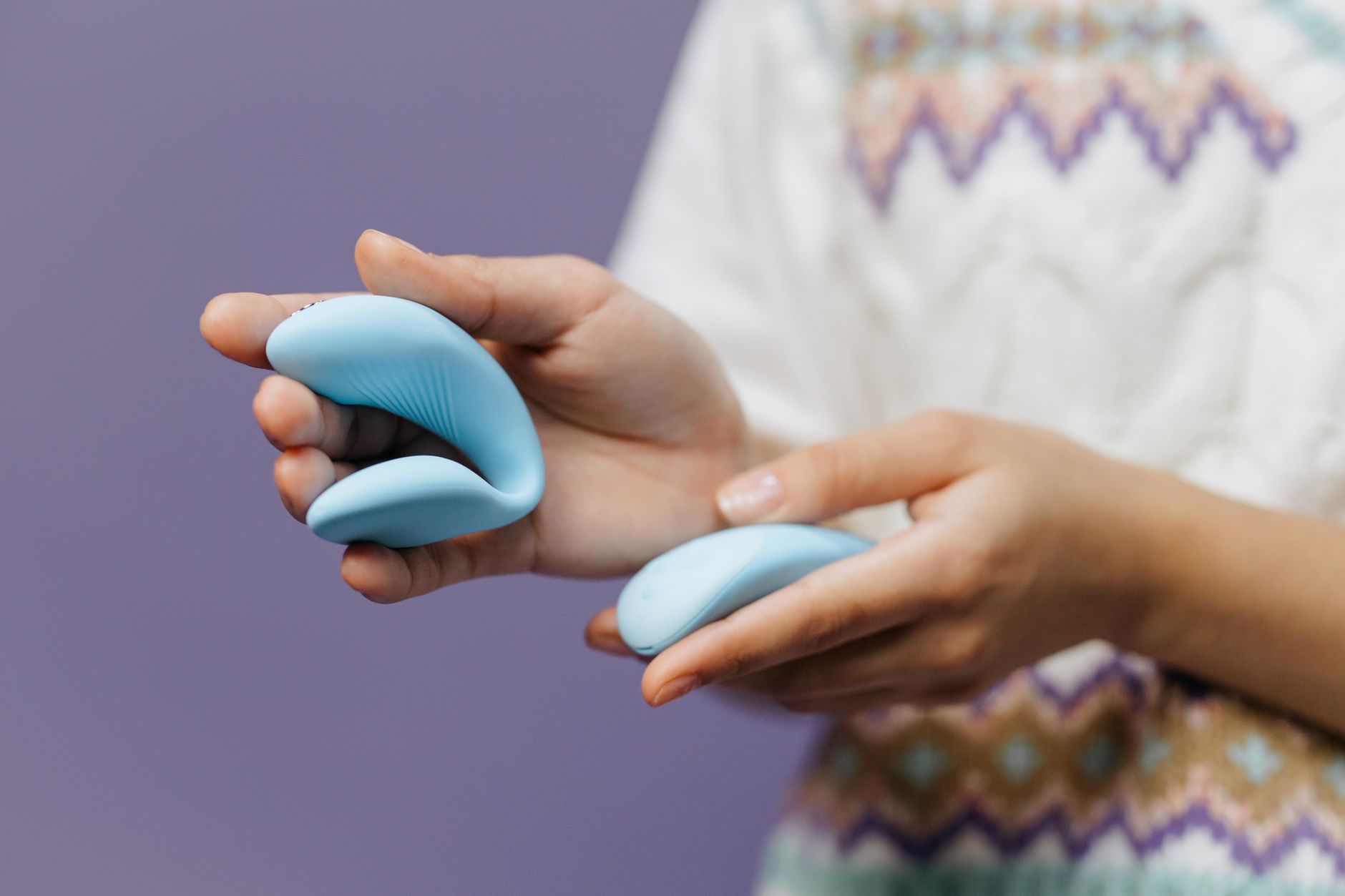
Photo by cottonbro studio on Pexels
How to transition from friction to suction
If you've been using traditional vibrators and your skin is angry, switching to a lemon vibrator might feel weird at first. Suction feels different. That's the point.
Start with a clean, dry vulva. No lube initially. The suction works because of the seal between toy and skin, so moisture actually reduces the sensation. Run the toy on Pattern 1 and just explore. Hold it there. Let the suction build gradually. Most people expect an immediate intense sensation and get confused when it's subtle instead. That subtlety is what makes it safe for sensitive skin.
If suction still feels too strong, add a tiny bit of water-based lubricant to reduce the seal slightly. You'll lose some sensation, but you'll also reduce pressure. As your tissue calms down over weeks, you can reduce the lube and let the suction intensify naturally.
When to see a specialist
If your vulva reacts to every toy, every lubricant, every fabric, and even hands sometimes, you need a gynecologist trained in vulvovaginal dermatology. Seriously. There might be an underlying condition like lichen sclerosus, dermatitis, or an infection that needs medical treatment. A lemon clitoral vibrator helps with pleasure during treatment, but it's not a substitute for proper diagnosis.
If you've been using suction toys for weeks and still feel raw or sore after, stop and get checked out. Your body's telling you something. Listen.
The big picture
Sensitive skin doesn't mean no pleasure. It means finding tools designed with your tissue in mind. A lemon vibrator isn't magic. It's physics and anatomy working together. Suction avoids friction. No friction means no irritation. No irritation means you can actually enjoy yourself without paying for it the next day.
If you've had bad experiences with toys, that's not a sign to give up. It's a sign you haven't found the right design yet. Start with the gentlest pattern, pace yourself, and give your body time to trust the experience again.
People also ask
Why does my vulva feel raw after using a vibrator?
Raw feeling usually means friction damage to your skin barrier. Standard vibrators with narrow contact points concentrate pressure into small areas, causing micro-abrasions. Suction-based toys like the Lem distribute pressure over a wider zone, which reduces friction and irritation. If you're still experiencing rawness with a suction toy on Pattern 1, your tissue might need more recovery time. Try using it every other day instead of daily, or add a tiny bit of water-based lube to reduce pressure.
Is a lemon clitoral vibrator safe for lichen sclerosus?
Yes, with caution. Suction stimulation is gentler than friction, which matters for delicate tissue. However, lichen sclerosus symptoms vary widely. What feels fine one day might hurt the next. Always check with your gynecologist before introducing any toy. Start with the lowest pattern and shortest duration. If you feel any pain (not just intensity, but actual pain), stop immediately. Your pleasure should never come at the cost of flaring your condition.
Can I use lubricant with a suction toy?
Yes, but less is more. Suction toys need skin-to-silicone contact to create the seal that generates suction. Too much lube breaks that seal and kills the sensation. If you need lubricant for comfort, use a tiny amount of water-based lube and let the suction do the work. As your skin barrier heals, you'll likely need less lube over time.
How do I know if a lemon vibrator is right for my sensitive vulva?
Look for toys with adjustable intensity (at least 3 levels, preferably more), a gentle first pattern that feels like a soft pulse rather than aggressive suction, and a design with a wider contact zone. Read reviews from people specifically mentioning sensitive skin. And start conservatively. Pattern 1 for 5 minutes your first time. If that feels fine, you can build from there.
Do all suction toys feel the same?
No. Suction strength, pattern rhythm, and contact zone design vary between brands. A toy that's too aggressive for you might work fine for someone else. The Lem is specifically designed with gentle suction and a wide opening to minimize pressure, which makes it popular for sensitive skin. But your individual comfort is unique. If one lemon vibrator feels too intense, that doesn't mean suction isn't for you. It might mean you need a different toy's settings or design.
What's the difference between a lemon vibrator and other clitoral vibrators?
Most clitoral vibrators work via direct friction and vibration against your tissue. A lemon sucker uses gentle negative pressure (suction) instead. This means the stimulation happens through your tissue layers rather than across your skin surface. For sensitive vulvas, this difference is huge. Suction avoids the micro-friction that causes irritation, which means longer sessions and less inflammation. Not everyone prefers suction. Some people love traditional vibrators. But if friction has been your problem, suction changes the game entirely.
Resources
If you want to dive deeper into vulvovaginal health and sensitive skin, these resources are worth exploring. You might also consider speaking with a gynecologist trained in vulvovaginal dermatology if irritation persists. And if you're navigating pleasure with a partner while managing sensitivity, talking openly about what works and what doesn't can deepen intimacy. Consider reaching out to a relationship counselor or sex educator who understands these nuances. We're here to help. Get in touch.