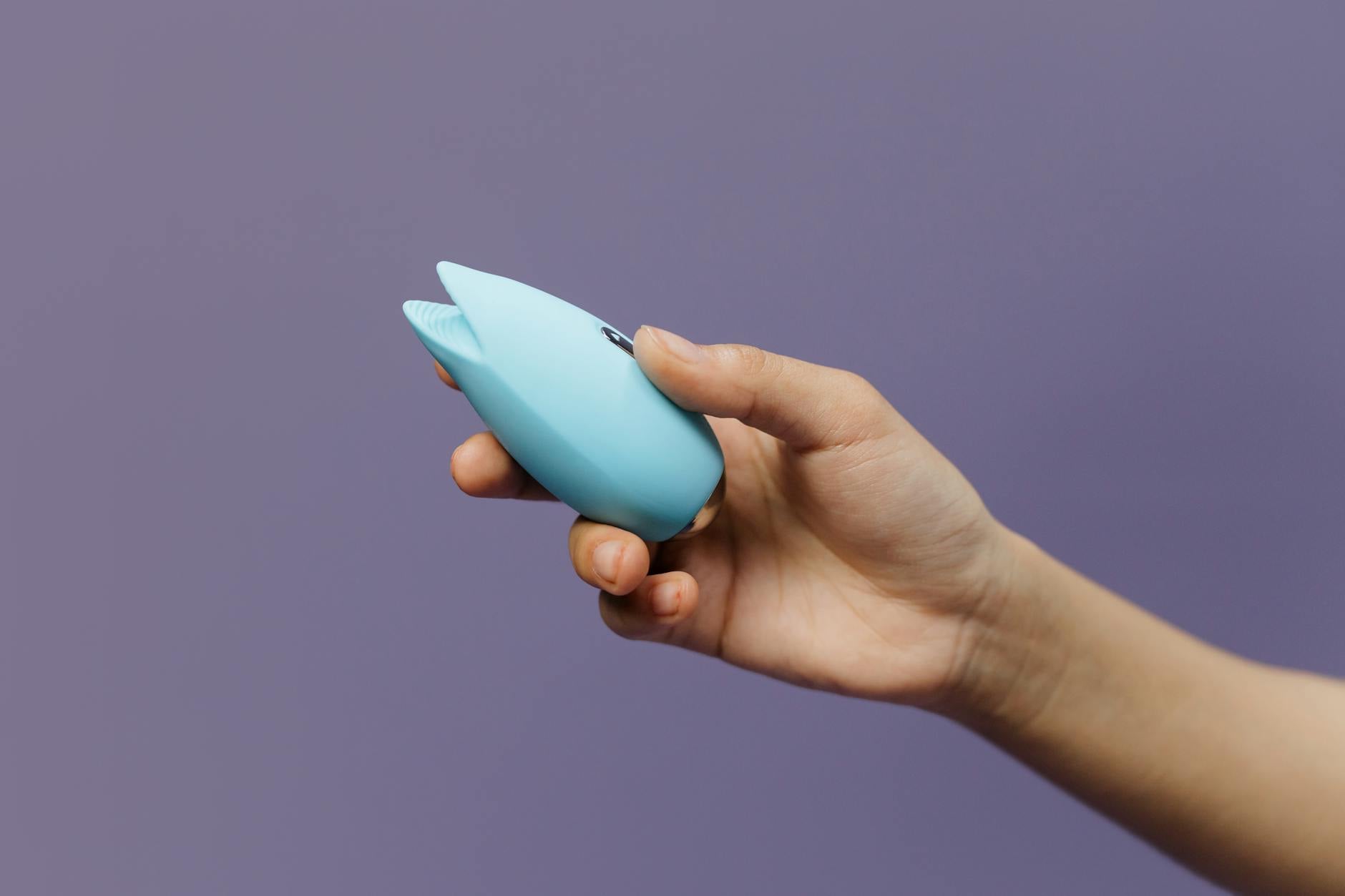
When pleasure takes a break, it's not gone. It's waiting.
Maybe you stepped away from your own pleasure because life got loud. A breakup, grief, illness, medications that flattened everything, work stress that colonized your brain, kids, caregiving, depression that made touching yourself feel impossible. The reasons are always valid. What matters now is that something's shifted. You're ready. Your body might not know that yet.
There's a difference between never having pleasure and rediscovering it. When you're starting from zero, you can build slowly without nostalgia. When you're returning to something you lost, your brain and body carry memory. That's powerful. It's also fragile. Here's how to honour both.
Your body's memory is stronger than you think
Neurologically, the pathways for pleasure don't just vanish. They go dormant. Quiet. When you return to touch, those neural connections can reactivate faster than you'd expect. This is genuinely good news. It means you're not rebuilding from scratch.
But here's the tricky part. Your brain might be impatient. It might remember what orgasms used to feel like and expect that immediately. Your body, though, has been offline. Pelvic floor muscles lose tone when unstimulated. Nerve sensitivity adapts to the absence of touch. Blood flow patterns shift. So the first few times might feel underwhelming or strange or nothing at all. That's not failure. That's recalibration.
Start by touching without expectations
I mean this literally. Not with a lemon clitoral vibrator yet. Not with a goal. Just your hand, fully clothed or partly undressed, noticing what sensation exists right now.
Where does your body feel most alive when you're alone? Where do you naturally want to touch yourself when no one's watching? Neck, inner thighs, breasts, stomach, ass, the curve where collarbone meets shoulder. Map this. Spend three to five days just touching these places without trying to get aroused. No performance. No endgame. Just data gathering.
This step is boring compared to jumping straight to a toy, but it's worth three minutes daily. Your nervous system needs permission to wake up slowly.
Introduce the Lem vibrator gradually
Start with the Lem on its lowest pattern. Pattern 1 or 2. Not on your clitoris yet. Apply it to the inner thigh, your hip bone, your labia majora (the outer lips). Skin that hasn't felt vibration in a long time.
The goal here isn't orgasm. It's sensation. You're asking your nerves: "Hey, remember this?" Some women report that the first contact with a clitoral vibrator after a long absence feels jarring or numb. Others feel it immediately. Both are completely normal. If numbness shows up, stay at low intensity for longer. A week. Two weeks. Your sensitivity will come back.
Once the external sensation feels pleasant, not just neutral, then move to your clitoris. Still at the lowest setting. Thirty seconds on. Rest. Thirty seconds on again. No pressure to respond or feel anything in particular.
Lubrication matters more when you're returning
Lubrication isn't about wetness. It's about ease. After a long absence, tissues can feel more fragile. Water-based lube creates a glide that lets you explore without friction that might feel uncomfortable or irritating.
Use enough that you notice it. Too much is fine. Reapply as it dries. Some women find that the sensation of adding lube is grounding. It's a small ritual that says: "I'm taking care of myself." That matters.
Breathing and patience are the real tools
When pleasure is returning, tension kills the moment. Your body expects the touch. It also expects to be safe. Those two things can contradict each other, especially if the long absence was tied to trauma or violation.
Deep breathing actually changes your nervous system state. Four counts in, four counts out. Do this while touching yourself. It tells your body: "This is safe. We're not rushing. We're just here."
Patience sounds abstract until you practice it. In reality it means: If you touch yourself for ten minutes and feel nothing, that's a successful session. If you touch yourself and feel a flutter, that's a win. If you touch yourself and have an orgasm, excellent. But the orgasm isn't the metric. The metric is whether you showed up for yourself.
When to expect sensation to return fully
Most people report that significant arousal and sensation return within two to four weeks of consistent gentle touch. Some take longer. Some feel shifts within days. There's no standard timeline.
What matters is consistency. Five minutes daily beats thirty minutes once a week. Your nervous system responds to predictability. The regularity signals safety.
If after six weeks of daily gentle touch with the Lem vibrator, sensation still feels muted, check in with yourself about whether something else is interfering. Are you stressed about other things? Is your medication list still the same? Are you sleeping enough? Sometimes pleasure's absence points to something bigger that needs attention first.
If orgasms don't return immediately, that's not unusual
Orgasm is the last thing to come back online. Sensation and arousal come first. Orgasm requires a certain amount of activation that your body might not have the capacity for yet. This is not permanent. It's a phase.
Some women find that the Lem's patterns help here. The specific suction rhythm can trigger orgasm even when your body feels numb everywhere else. If you're not there yet, lower patterns and external touch are fine. Build toward the deeper patterns as sensation returns.
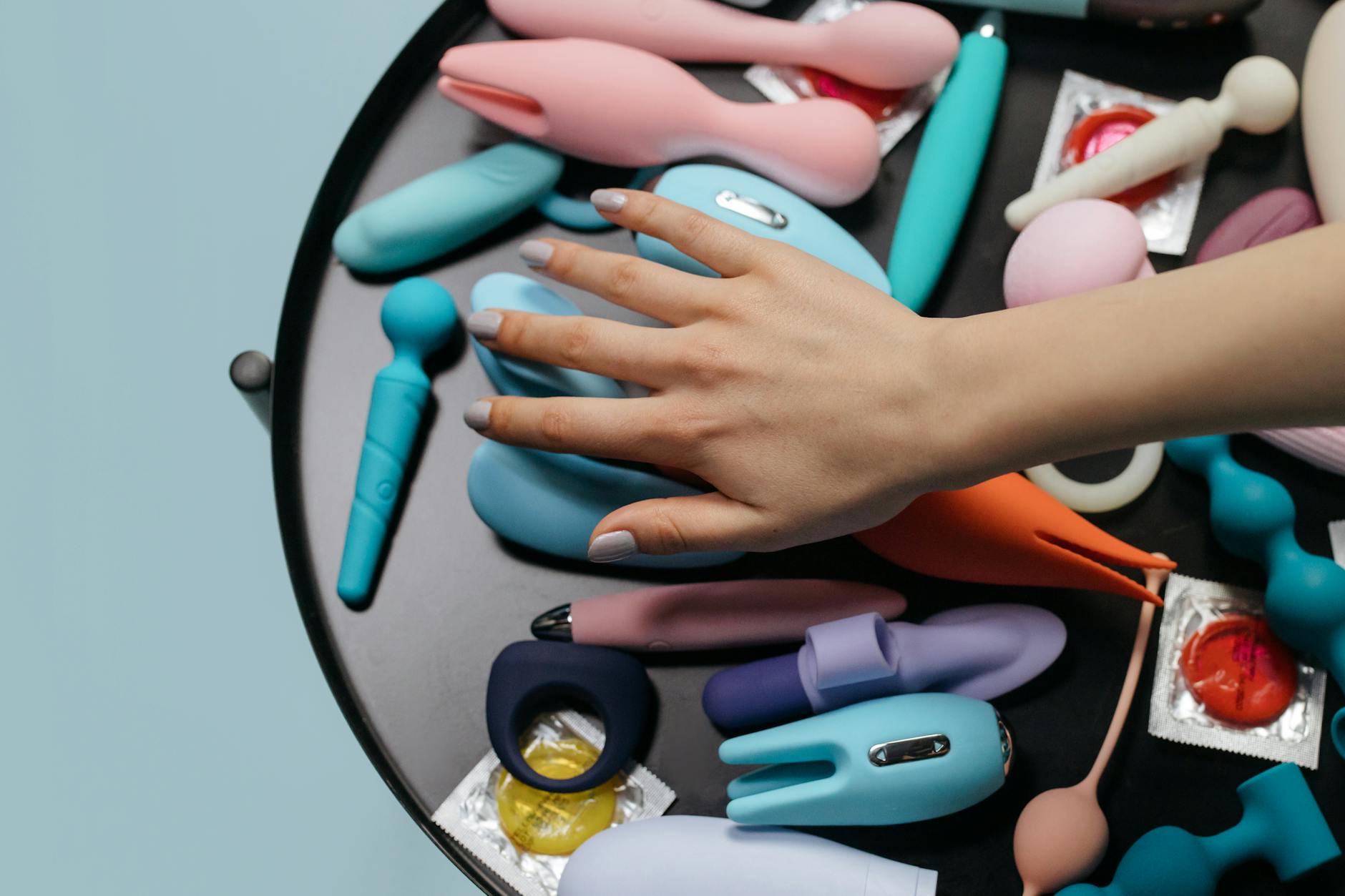
Photo by cottonbro studio on Pexels
What's happening in your brain and body during this return
Your nervous system has two states: sympathetic (fight-or-flight) and parasympathetic (rest-and-digest). Pleasure lives entirely in the parasympathetic state. After a long absence, your system might default to a more guarded place. Pleasure requires surrender. Your body needs proof that surrender is safe.
Each time you touch yourself and nothing bad happens, you're teaching your nervous system: "This is safe. We can do this." It's repetition therapy. Boring, but it works.
If you find yourself tense or holding your breath while touching yourself, pause. Do the breathing exercise. Come back when your jaw isn't clenched. This is not weakness. This is listening.
The emotional piece is bigger than the physical piece
Sometimes the reason pleasure disappeared wasn't just circumstantial. Sometimes it was tied to how you felt about your body, your partner, your life choices, your safety. As sensation returns, so do feelings. You might feel grief for the time lost. You might feel anger that it took this long. You might feel joy and weirdly, both matter.
This is where having support helps. Whether that's a therapist, a trusted friend, or a partner who understands what you're rebuilding, don't do this entirely alone. Pleasure is connection. Even when it's solo, the context around it shapes the experience.
If pleasure felt disconnected from your emotions previously, pay attention to what's different now. Often the return of pleasure is also the return of emotional availability. They're linked.
How to know when you're ready to go deeper
When you can touch yourself with a lemon vibrator on low patterns and feel genuine pleasure (not goal-driven, not performance-driven, just enjoyable sensation) for at least five minutes consistently, you're ready to explore higher patterns. When you want to, not because you think you should.
There's no timeline. There's no "normal" pace. Your body gets to set the speed. The Lem vibrator is patient. It'll be there at whatever pattern you need, whenever you need it.
FAQ: Questions after long absence from pleasure
Is it normal to feel emotionally raw when pleasure starts returning?
Completely. Pleasure activates the same nervous system pathways as emotional vulnerability. After a long time without it, coming back online can feel overwhelming. You might cry. You might feel angry. You might feel grief for the time you lost. All of this is part of the return. It doesn't mean something's wrong. It means you're integrating something important.
How long until I can have an orgasm again?
Variable, honestly. Two to eight weeks is common, but some people take longer. Others orgasm within days. The pressure to reach orgasm actually delays it. Focus on sensation and arousal first. Orgasm follows, usually within a month or two of consistent gentle touch. If it's taking longer than eight weeks, check in with a healthcare provider about whether medication or stress levels are interfering.
Can I use the Lem vibrator every day when I'm rebuilding?
Yes. Daily touch is actually ideal for rebuilding pleasure. Your nervous system responds to consistency. Five to ten minutes daily beats sporadic longer sessions. Daily use won't damage anything. In fact, the regularity helps your body trust that pleasure is safe and available.
What if sensation returns in my body but desire for partnered sex doesn't come back?
Desire and sensation are separate systems. You can rebuild solo pleasure and take months longer (or never) to rebuild interest in partnered sex. That's okay. Many people find that solo pleasure returns first because there's no performance pressure. If partnered desire doesn't follow, that might be telling you something about the relationship or about what you actually want. Listen to it.
Should I tell my partner I'm rebuilding my pleasure?
Depends on your relationship and what you want from them. If you're in a partnership where you eventually want to reintegrate sex, honesty helps. "I'm rebuilding my own pleasure right now and I'm not sure when I'll be ready for partnered touch" is clearer than silence. If you're single, you owe no one an explanation. Your solo pleasure is yours alone.
Is the Lem vibrator the right choice for someone returning to pleasure?
It's a strong choice. The suction mechanism is gentler on sensitive tissue than direct vibration. It doesn't require you to move or perform. You can keep it at the lowest patterns for weeks if needed. Other clitoral vibrators work too, but the Lem's specific design makes it forgiving for bodies that are remembering sensitivity. Start with it if you have access.
You're rebuilding something real
Pleasure after absence isn't just physical. It's a return to yourself. It's saying: "I deserve sensation. I deserve joy. I deserve to feel good in my body." That's not selfish. That's essential.
The Lem vibrator is a tool, not a magic fix. The real work is patience. Showing up for yourself. Breathing. Trusting that your body remembers how to feel. Because it does. Give it time.
If this process feels complicated or emotionally stuck, reach out. Sometimes talking through what's underneath the pleasure gap helps. You don't have to figure this out alone.