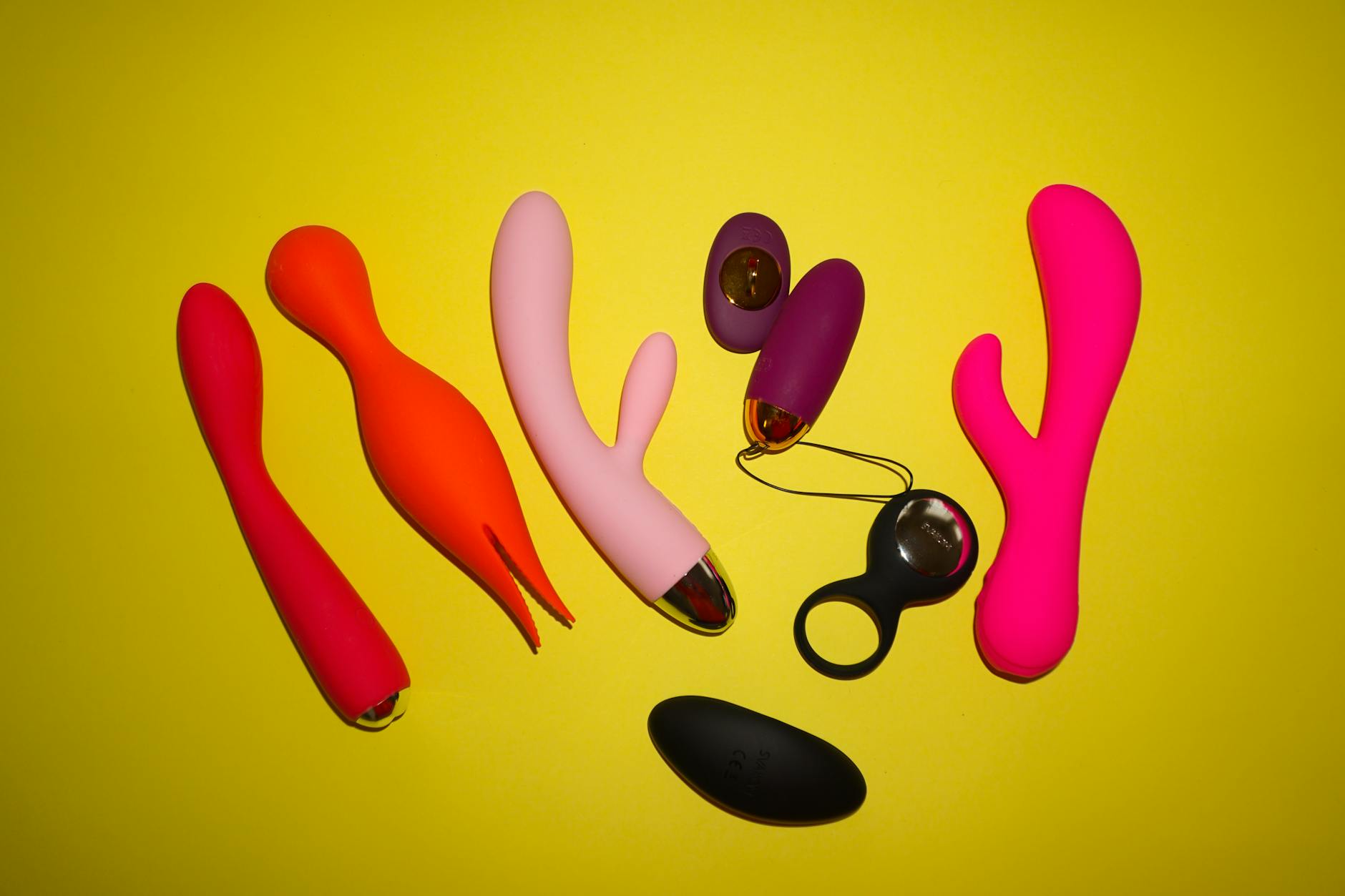
How to Use a Lemon Vibrator When Sensation Feels Different With Age
Let's be real. Pleasure doesn't work the same way at 45 as it does at 25. That's not a decline. That's information.
Your clitoris is still there, still capable, still interested. But the conversation you're having with it might need to shift. Maybe the intensity that used to work feels too sharp now. Maybe you need longer to build arousal. Maybe the suction sensation on a lemon vibrator feels entirely different than it used to. That's not a problem to fix. It's a signal to listen to.
I work with clients constantly who assume sensation changes mean something is broken. They're not broken. They're recalibrating. And if you understand what's actually happening, a lemon clitoral vibrator can feel better at 50 than it ever did at 30.
What changes in clitoral sensitivity over time
Here's the honest physiology. Skin loses elasticity everywhere, including genital tissue. The clitoris has less subcutaneous fat padding it, which means sensation can feel sharper or, paradoxically, more diffuse depending on where you're stimulating. Nerve density doesn't change, but the way signals travel through aging tissue does. Circulation isn't quite as immediate. Arousal takes longer to cascade through the body.
That's the baseline. But here's what matters: none of that removes your ability to orgasm. It changes the path to get there.
Many of my clients report that their orgasms after 40 or 45 feel deeper, more full-bodied, sometimes even more intense than younger years. Why? Because they're not chasing the same thing. They know what works. They've stopped performing the right kind of pleasure and started seeking actual pleasure instead.
Why lemon vibrators (and clitoral suction specifically) adapt so well
The beauty of a device like the Lemon is that suction works differently than vibration alone. You're not relying purely on direct friction, which is the first thing that can feel too much as tissue changes. Instead, you're creating a gentle seal and pulse pattern. The stimulation is consistent but not abrasive.
As sensation shifts with age, this becomes genuinely useful. You can dial in exactly how much intensity you want without sacrificing pleasure. The lower settings on a lemon clitoral vibrator often become more satisfying than they ever were before, because you're not fighting your body. You're working with it.
The three adjustments that matter most
Start with pattern, not intensity. The mistake most people make is jumping straight to the highest setting when sensitivity feels different. Instead, start at level one and cycle through the patterns. A lemon sucker has multiple pulse rhythms designed to engage different nerve pathways. As you age, you might find that a medium-intensity steady pattern works better than the aggressive pulsing you used to prefer. Give yourself permission to explore what actually feels good right now, not what felt good five years ago.
Position matters more. The angle at which you apply suction changes the sensation dramatically. When clitoral tissue shifts, repositioning the lemon vibrator by even half an inch can change whether stimulation feels too intense or just right. Experiment with angles. Try approaching from different sides. Some people find that a slight angle away from direct overhead hits a sweeter spot as they age. There's no "right" angle. There's only what works for your body today.
Build arousal intentionally. If you notice it takes longer to feel turned on, that's not a failure. That's a change in your timeline. Give yourself 20-30 minutes of foreplay or self-exploration before using your lemon vibrator. Build baseline arousal first. Let your body start the conversation. Then bring in the device when you're already halfway there. You'll likely find the experience more satisfying than trying to start from complete zero.
Real solutions for specific sensation shifts
If stimulation feels too sharp or almost painful, you have three options. One: use a barrier. Thin fabric like a silk or cotton underwear between the lemon vibrator and your skin diffuses the sensation slightly. Two: use the lowest settings exclusively for two weeks to retrain your sensitivity baseline. Three: take a break for a few days, then restart. Sometimes sensation recalibrates with a little distance.
If you're feeling numb or deadened, the issue is usually one of two things. Either you're not aroused enough yet (go back to the intentional arousal-building phase), or you need more consistent, longer stimulation. Don't jump settings aggressively. Instead, stay on a medium setting for longer. Give your nerve endings time to wake up. This might feel slower, but the payoff is usually better.
If sensations feel diffuse or hard to locate, experiment with smaller devices or tighter suction patterns. Some people find that moving to a smaller clitoral vibrator creates more focused sensation than a larger one. The Lemon's design tends to work well here because the opening is relatively narrow, concentrating the suction field precisely.
The mental piece that nobody talks about
Here's where I see most people get stuck. Sensation changes, and they interpret it as: "I'm getting old." Then they stop trying. They assume desire should be fading, so they don't reach for their lemon vibrator. They tell themselves they're past that phase.
That's where it all falls apart.
Pleasure is not a function of age. It's a function of attention. The women I work with who have the most robust, satisfying sexual lives in their 40s and 50s are the ones who stayed curious. They didn't assume change meant decline. They treated it like a puzzle worth solving.
Your body at 48 is not your body at 28. It's a different instrument. But different doesn't mean worse. Often it means more interesting.
Practical settings to experiment with on your lemon vibrator
If you have a lemon clitoral vibrator with multiple settings, here's where most people find their groove after 40. Start with Pattern 1 or 2 at Level 2 or 3. This gives you a steady, predictable sensation without overwhelming your receptors. Use it for 5-10 minutes. Then, if you want more, move to Level 4. Most people don't need higher than that, and many find the sweet spot sits right between 2 and 4 depending on their arousal level that day.
The second variable is duration. Younger bodies often get there quickly with intense stimulation. Aging bodies often respond better to sustained, moderate stimulation. Instead of chasing a five-minute orgasm, give yourself 15-20 minutes with your lemon sucker and see what happens. The sensation builds differently. The orgasm, when it comes, often feels richer.
When to check in with your body (and when to seek support)
If sensation hasn't just shifted but has become painful, numbed completely, or if you're experiencing new pain during sex, that's worth talking to a provider about. Some sensation changes are totally normal. Some signal circulation issues, nerve changes, or other things that respond really well to treatment. There's no shame in checking. Your pleasure matters enough to get accurate information.
If you've been using the same intensity settings for years and suddenly they feel wrong, your body is giving you information. Listen. Adjust. Experiment. This is actually your nervous system working exactly as designed.
FAQ: Using Lemon Vibrators as Sensation Shifts
Why does my lemon vibrator feel too intense now when it never did before? Clitoral tissue becomes more sensitive or sometimes less padded as you age. The same device can feel sharper. Solution: dial back intensity and stay on lower settings for longer. Your nervous system will recalibrate within a week or two of consistent use at a gentler level.
Is it normal to need longer to orgasm with a lemon clitoral vibrator as I get older? Completely normal. Arousal systems shift. You're not broken, you're not losing capacity. You're just operating on a different timeline. Many people find this change actually makes orgasms feel more satisfying because they're building more gradually.
Can I use my lemon vibrator the same way I did ten years ago? You can, but you might not want to. Your body's giving you information about what feels good now. Honoring that is way more fun than forcing old patterns. Experiment with different angles, speeds, patterns, and durations. Your pleasure evolves.
My partner thinks sensation changes mean I'm not attracted anymore. How do I explain this? Sensation changes are physical and completely separate from desire or attraction. You might try how to use a lemon vibrator with your partner when pleasure feels mismatched as a way to start that conversation. It's about updating the language you're both speaking, not about desire disappearing.
Should I switch to a different toy if sensation feels different? Not necessarily. Often it's about adjusting how you use what you already have. A lemon clitoral vibrator is genuinely adaptable across different sensation preferences. That said, if you want to explore, the key is finding something that lets you control intensity granularly.
What if my sensitivity feels totally numb? Start with arousal building and lower settings. Give it two weeks of consistent exploration before assuming anything. If it doesn't shift, check in with a provider. Sometimes numbness signals circulation or nerve things worth addressing.
The setup that usually works
If you're starting over or adjusting your approach, try this: set aside 30 minutes when you're not rushed. Spend the first 15 on foreplay or whatever gets you aroused without your vibrator. Then bring in your lemon vibrator at Pattern 1, Level 2. Stay there for as long as it feels good. If you want more intensity, shift patterns or move to Level 3. Give yourself permission to spend 20-30 minutes with the device. Notice what sensations feel best. Repeat what works.
Your pleasure doesn't expire. It transforms. And when you're willing to meet your body where it actually is instead of where you think it should be, that's when things get really good.
References
- American College of Obstetricians and Gynecologists. Age-related changes in sexuality and sexual function.
- Komisaruk, Barry R., & Whipple, Beverley. The Pleasure Gap: Addressing Sexual Health Disparities in Midlife. Journal of Sexual Medicine, 2022.
- Basson, Rosemary. Human Sexual Response Cycles. The Journal of Sexual Medicine, 2000.
- Pfaus, James G. Pathways of Sexual Desire. The Journal of Sexual Medicine, 2009.