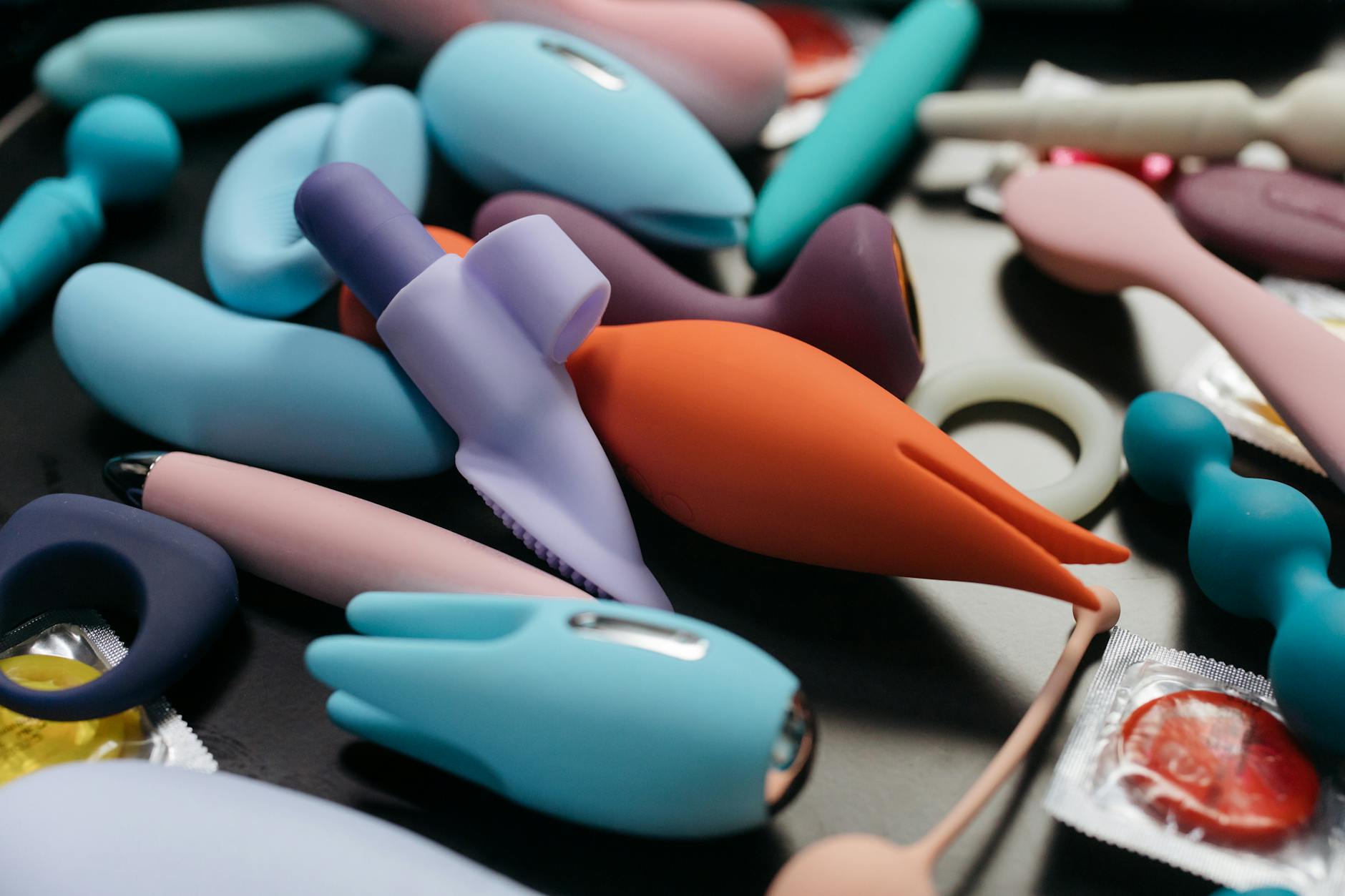
Here's the thing about numbness nobody talks about
You can want sex, want your partner, want pleasure, and still feel almost nothing down there. It's not a mood problem, not a relationship problem, and definitely not broken. But it's wildly disorienting. Sensation doesn't just fade to black all at once. It gets quieter. Slower. Like someone turned down the volume and extended the fade-in by five minutes.
That's where lemon vibrators work differently. They're not just a more intense vibrator. They access sensation through a completely different mechanism, which means they can wake up nerve pathways that traditional vibration has already stopped reaching.
How reduced sensitivity actually happens
Reduced arousal sensitivity isn't one thing. It's several things that look the same from the outside. Hormonal shifts (whether from medication, menopause, birth control, or just aging) make genital tissue thinner and less responsive to direct contact. Pelvic floor tension can literally numb sensation because constant muscle tightness compresses nerves. Stress and emotional disconnection create a kind of neural numbing where the signals aren't broken, they're just not getting through to your brain the way they used to.
Then there's the Coolidge effect, which sounds made up but isn't: when stimulation stays exactly the same for a long time, your nervous system stops registering it. Your body adapts. The thing that worked for five years suddenly feels like nothing because your nerve endings have basically stopped paying attention.
The common thread in all of these? Direct vibration alone doesn't cut through the noise anymore.
Why lemon clitoral vibrators work through a different pathway
Here's the practical neurology. Your clitoris has about 8,000 nerve endings packed into a space smaller than a pea. Most vibrators stimulate through friction and percussion. They shake the tissue directly, which activates surface-level mechanoreceptors.
Lemon vibrators use suction instead. The cup creates a gentle vacuum that essentially tugs on the tissue, pulling blood into the area while simultaneously stimulating deeper nerve layers at once. Think of it like this: a regular vibrator is someone tapping your shoulder. Suction is someone holding your hand.
Both are touch. But they reach different parts of your nervous system.
When sensitivity is reduced, that deeper stimulation becomes crucial. The lemon suction creates a cumulative sensation that doesn't rely on you having pristine tissue sensitivity or perfect hormonal balance. It's working with your physiology as it actually is, not demanding that your body respond the way it used to.
The arousal window problem (and how suction changes it)
Reduced sensitivity often comes with a longer arousal window. You need more time, more sustained attention, more building. This is where people get frustrated and give up. "It's taking too long," you think. "Something's wrong."
Nothing's wrong. Your body just needs different input now.
Traditional vibration, when you're already having trouble with sensitivity, can feel like work. You're waiting for sensation to arrive, focusing too hard on whether it's working, which makes arousal even slower. It becomes a watched pot. The mental load kills what's left of the physical response.
Lemon clitoral vibrators change the equation because suction feels inherently different. It's not sharp or prickly or demanding. It's almost hypnotic. People describe it as "pulling sensation up" rather than hammering it into place. When you're in that state, you can finally relax enough for arousal to actually build.
What makes a lemon vibrator specifically useful for sensitivity shifts
The suction mechanism in the Lemon Clitoral Vibrator isn't gentle just because it sounds nice. The design matters. The cup seals around the clitoris (you control the fit), and then the suction cycles through patterns. Lower settings create a rhythmic pulse that feels more like a massage. Higher settings feel more intense, but without the sharp vibration that can feel overwhelming when you're already working hard to feel anything.
The rhythm is also key. Unlike a straight vibrator, suction patterns build sensation cumulatively. Each pulse adds to the previous one. After about 60 to 90 seconds, you've often got significant vasocongestion (blood flow and swelling in the genital tissue), which means sensation is actually improving the longer you use it. You're not fighting against a plateau. You're climbing one.
You can also use different intensity levels gradually. Start at pattern 1 for two minutes. Move to pattern 2. Build up. This works with your nervous system instead of demanding immediate response.
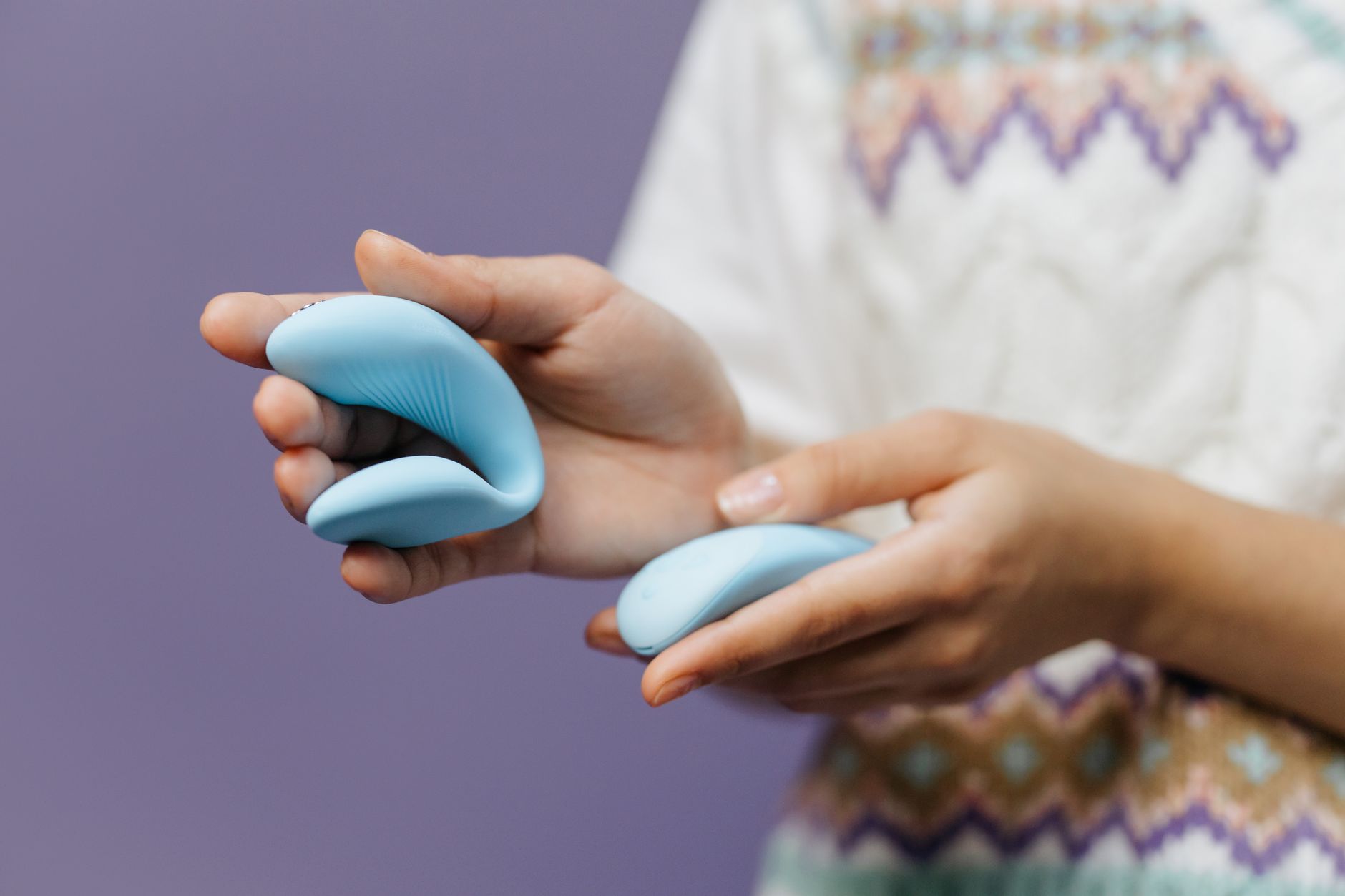
Photo by cottonbro studio on Pexels
Three specific scenarios where this becomes obvious
First: medication-related numbness. Antidepressants, anti-anxiety meds, and certain blood pressure medications can directly reduce genital sensation. You're not losing desire, but arousal feels muted. How Lemon Vibrators Work Better for Rebuilding Pleasure After Numbness digs deeper into this, but the short version is that suction bypasses some of that dampening because it's working through a different sensory channel. You feel the pull even when you can't feel the vibration.
Second: pelvic floor tension. When your pelvic floor muscles are chronically tight (which happens with stress, trauma, or just chronic tension), they compress the very nerves that vibration needs to reach. You can be holding a vibrator in the exact right spot and feel almost nothing because the pathway is mechanically blocked. Suction creates enough tissue pull that it can stimulate nerves that are sitting beneath that tightness. It's not a replacement for pelvic floor physical therapy, but it's a bridge while you're working on that.
Third: hormonal fluctuations that thin genital tissue. Whether it's perimenopause, postmenopause, or just shifts in your cycle or birth control, thinner tissue means less ability to vibrate. It needs to stay intact. Suction doesn't rely on tissue thickness the same way vibration does. The sensation comes from the pull and the blood flow, not from the tissue being dense enough to properly respond to percussion.
How to actually use this if you're working with reduced sensitivity
Don't jump straight to high patterns. Seriously. Most people with reduced sensitivity make this mistake. They assume they need more intensity to feel something, so they go to pattern 5 or 6 immediately. Then nothing registers, and they think it doesn't work for them either.
Start at pattern 1 for 90 seconds minimum. Two minutes if you can. Let your body respond. You'll feel arousal building. Once you feel it, you can adjust up. But those first couple minutes are doing crucial work to increase blood flow and wake up sensation. You're not wasting time. You're literally changing your physiology.
Use water-based lube. This matters more when sensitivity is reduced because you want maximum contact. The lube creates a better seal for the cup and helps the suction work more efficiently.
Focus on something that gets you mentally engaged. This isn't shallow or cheating. Mental arousal directly increases physical sensation. They're not separate. When reduced sensitivity is happening, the mental load of "is this working" actually dampens your nervous system further. Give yourself permission to think about whatever turns you on, watch something, read something, fantasize. Anything that quiets the performance anxiety.
The science behind cumulative sensation
There's a phenomenon called temporal summation in neuroscience. Basically, when a nerve receives repeated stimulation in quick succession, each signal adds to the previous one, creating a stronger overall sensation. A regular vibrator gives you fast repetition, but it's on the tissue surface. Suction gives you slower repetition but hits deeper nerve pathways.
When your nervous system is struggling to register sensation, that deeper pathway is gold. You're not fighting against numbness. You're using a different route entirely.
When to try something different
If you've been using a lemon vibrator (or any clitoral suction device) consistently for four weeks at various patterns and nothing has changed, there's probably something else going on. Reduced sensitivity can be a symptom of other medical conditions. Pelvic floor tension often needs professional intervention from a pelvic floor physical therapist. Hormonal issues might benefit from talking to a doctor about topical estrogen or other treatments.
A lemon clitoral vibrator isn't a cure for reduced arousal sensitivity. It's a tool that works with your body's current reality to create sensation that your nervous system can actually register. The distinction matters.
What actually improves over time
Here's what I see with clients who stick with this: sensation doesn't suddenly snap back to what it was ten years ago. That's not the point. What actually happens is that your nervous system becomes more responsive to the input you're giving it. You build arousal faster. Orgasms become easier to reach. And maybe most importantly, the mental anxiety about "will this work" goes away because you have reliable sensation. You know what to expect. You can plan for it.
That psychological shift alone changes everything.
FAQ: Your actual questions about lemon vibrators and sensitivity
How long does it take to feel a difference with a lemon vibrator if sensation has been really muted?
Most people report noticing something within the first week, though "something" might just be a different kind of sensation, not necessarily stronger. Give yourself at least two to three weeks of consistent use (three to four times weekly) before you decide if it's working. Your nervous system needs time to recognize this new input as pleasurable.
Can you use a lemon vibrator if you have pelvic floor dysfunction or vaginismus?
Not without caution. If you have pelvic floor tension or diagnosed vaginismus, talk to a pelvic floor physical therapist before using suction devices. The pull of suction can actually aggravate tension in some cases. However, some therapists recommend it specifically as part of treatment for reduced sensation. It depends on what's happening in your individual case.
Does reduced sensation mean you can't orgasm anymore, or just that it's harder?
Nearly always just harder, not impossible. The pathway is still there. The nerves are still there. You're just working with reduced input. Suction makes orgasm accessible again because it's stimulating through a different mechanism. You might need longer buildup or different patterns, but orgasm is definitely still on the table.
If medication is causing the numbness, will a lemon vibrator work while I'm still taking it?
Yes, often more effectively than other tools. Because suction stimulates different nerve pathways than vibration alone, it can create sensation even when the medication is dulling your typical response. That said, it's worth asking your doctor or psychiatrist if there are alternative medications that don't have sexual side effects. Sometimes there are, and sometimes there aren't. Both things can be true.
Can you use a lemon vibrator with a partner if sensitivity is reduced?
Absolutely. Some people find that a lemon vibrator paired with partnered sex, oral sex, or manual stimulation creates a compound effect where multiple types of sensation happening at once trigger arousal that wouldn't happen with any one thing alone. How to Use a Lemon Vibrator With Your Partner When Pleasure Feels Mismatched has specific strategies for integrating it into partnered play.
What's the difference between a lemon vibrator and other clitoral suction devices?
Lemon vibrators combine suction with pulsing patterns, which adds a vibration element on top of the suction. Some pure suction devices are purely suction with no vibration. The hybrid approach can be more versatile. Some people prefer pure suction, others prefer the added vibration. Sensitivity levels matter here. If you have really reduced sensation, the added vibration component might help. If you have raw sensitivity (like postpartum or after pelvic trauma), pure suction might feel better.
What comes next
Reduced arousal sensitivity is temporary or manageable in almost every case. It's frustrating, and it's real, but it's not permanent. The right tool helps. Lemon clitoral vibrators work specifically because they don't ask your nervous system to respond the way it used to. They ask it to respond to something new.
If sensation is muted for you right now, that's information, not a life sentence. Start small, be patient, and let your body show you what actually works.
Have questions about what tool might work for your specific situation? Reach out to our team. We're here to help you figure this out.