When orgasm becomes a performance metric
Let's be real. At some point, pleasure shifted. Instead of something you felt, it became something you were supposed to deliver. A checkbox. A proof of concept that everything was working right.
That's not desire. That's pressure. And pressure is basically the kryptonite of climax.
How performance anxiety hijacks your nervous system
Here's what happens neurologically when you're waiting for your body to respond on cue. Your brain pivots from the parasympathetic nervous system, the one that allows arousal and pleasure, into sympathetic mode. That's your fight-or-flight system. Useful if you're escaping a threat. Catastrophic if you're trying to come.
Once you're in sympathetic mode, your body does exactly what it's designed to do: it protects itself. Blood flow redirects away from genital tissue. Muscles tense instead of release. Lubrication slows. The clitoris, which needs a steady accumulation of sensation to reach climax, gets starved of the consistency it needs.
Meanwhile, your brain is watching your body not respond, which triggers more anxiety, which deepens the sympathetic activation. It's a feedback loop that feels impossible to break.
The cruel part: the harder you try to force an orgasm, the less likely it becomes.
Why lemon clitoral vibrators work differently for anxiety-driven numbness
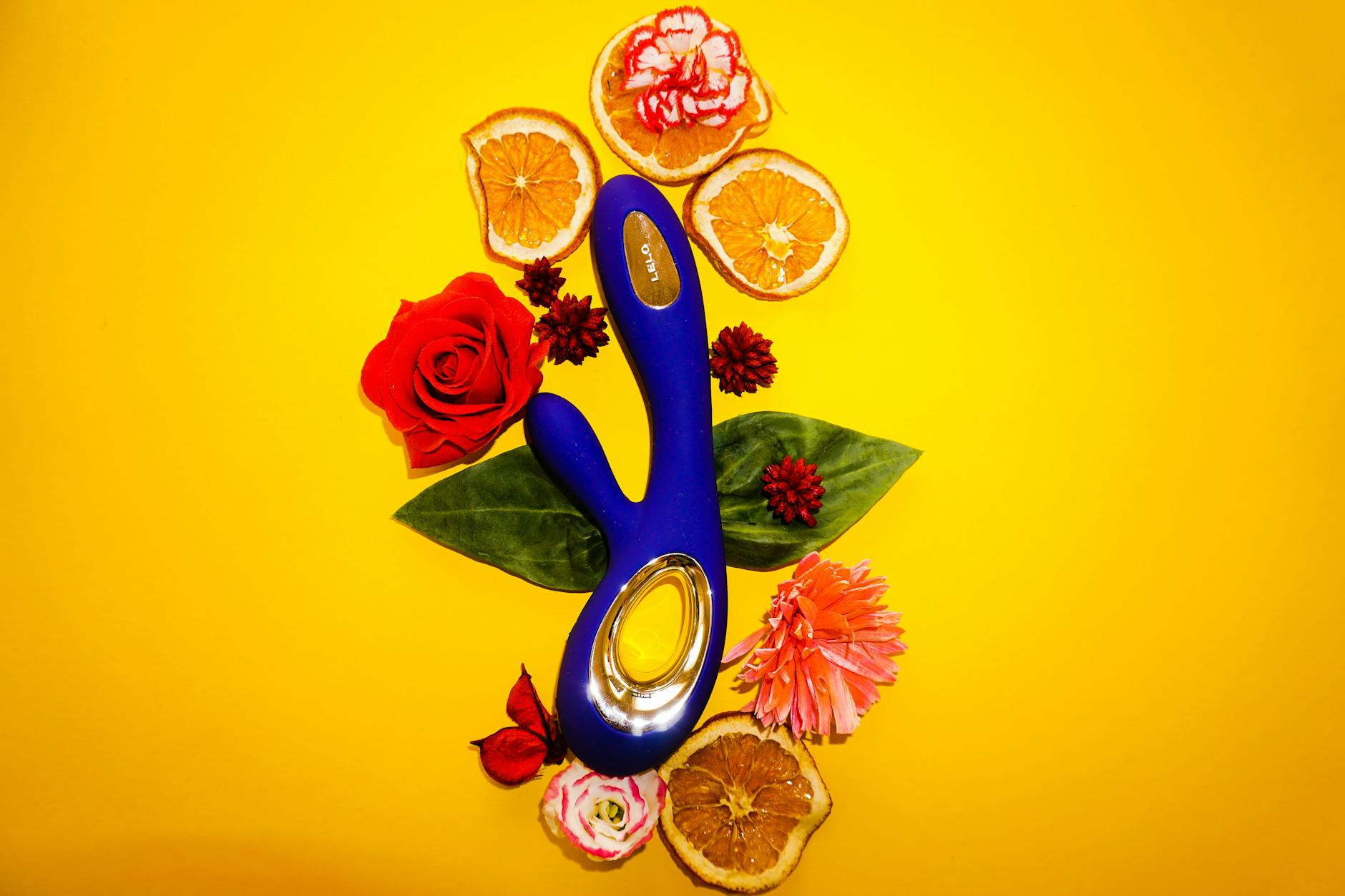
A lemon vibrator, particularly the air-suction design, creates sensation through a pattern your nervous system can trust. The rhythmic, consistent suction on the clitoris isn't frantic or demanding. It's reliable. Predictable. For people whose brains have learned to brace against pressure, that predictability is everything.
Unlike a traditional vibrator that asks you to build sensation through increasing speed or intensity, a lemon sucker offers steady, gentle stimulation that doesn't require you to perform. You don't have to make anything happen. The device is doing the work. Your job is just to notice what's there.
This shift, from performer to observer, is where the magic lives.
Breaking the performance loop: a three-part approach
Part one: solo first, always. If you've been feeling pressure with a partner or in partnered contexts, step back completely. Solo time is where you get to be selfish, messy, and unobserved. No timeline. No expectations. No audience.
Start with your lemon clitoral vibrator at the lowest setting, ideally when you have at least 20 minutes of genuine privacy. The goal isn't an orgasm. This is important: the goal is sensation without purpose.
Use it for 3-5 minutes, notice what you feel, stop. Repeat this micro-session three or four times over a week. You're teaching your nervous system that touch can be just touch, not a means to an end.
Part two: extend the exploration window. Once micro-sessions feel normal, lengthen them. Spend 10 minutes with the lemon vibrator at pattern 1. Then try patterns 2 and 3. The point is still not climax. It's familiarity.
You might orgasm during this phase. You might not. Either outcome is success because it means you stopped demanding it.
Part three: reintroduce partnered pleasure, slowly. Once solo sessions feel easy and your nervous system stops bracing during touch, you can bring a partner back in. But the contract is different now. Use the lemon vibrator together, but don't frame it as foreplay leading somewhere. It's its own thing.
Let your partner watch, or use it while they're not in the room. Either is fine. The key is that you're using it for your pleasure, not for their satisfaction or reassurance.
What to expect in the first two weeks
Your body might feel numb initially. That numbness isn't a problem. It's your nervous system being honest about where it's been. Keep going.
You might feel frustrated that there's no "result." That's the performance mindset still operating. Notice it, release it, return attention to the sensation itself.
You might feel vulnerable. Performance pressure is awful, but it's also familiar. Pleasure without purpose can feel scarier because there's nowhere to hide.
All of this is normal. All of this passes.
When to involve your partner again
This depends on your relationship dynamics. If you have a partner who understood the pressure dynamic was destructive, great. They'll probably be relieved to be off the hook for validating your pleasure.
If you have a partner who was unaware that you were performing, or who doesn't understand why you need solo time with a lemon vibrator, that's a different conversation. It's not a bedroom conversation. It's a relationship conversation. You might want support from a therapist or counselor to work through it together.
Either way, the timeline is yours. Reconnecting with pleasure is individual. Some people take two weeks. Some take three months. Both are fine.
The research piece: what pressure actually costs
Studies on orgasm anxiety consistently show the same pattern. People who experience performance pressure have longer latency times to climax, lower rates of orgasm overall, and significantly lower satisfaction ratings even when orgasm does occur.
The interesting finding: removing the expectation of orgasm as the outcome actually increases orgasm frequency. Not because you're suddenly trying harder, but because you've removed the neurological obstruction.
When the goal shifts from "achieve climax" to "notice what feels good," the nervous system calms. When the nervous system calms, arousal can build naturally. When arousal builds naturally, orgasm often follows.
It's counterintuitive. It works.
The relationship reset that matters most
If you've been feeling pressure to orgasm on demand, something in your relationship dynamic needs to shift. It might be about communication. It might be about control. It might be about both people carrying outdated ideas about what sex is supposed to prove.
Using a lemon vibrator when sensation changes during perimenopause or when pleasure feels disconnected from your body often involves the same nervous system work. Pressure is pressure, whether it's rooted in hormones or in relationship dynamics.
The antidote in every case is permission. Permission to feel what you feel. Permission to take time. Permission to orgasm, or not, on your own timeline.
A lemon sucker is a tool. But what it really offers is a conversation starter: about pleasure as something you deserve for its own sake, not as a performance metric.
FAQ: Orgasm pressure and lemon vibrators
Why does feeling watched make it harder to orgasm?
When you feel observed, your brain activates self-monitoring. You start narrating your own experience instead of living it. "Is this working? Am I taking too long? Does this look okay?" That internal commentary pulls you out of the parasympathetic nervous system and into sympathetic activation. Pleasure requires sustained attention on sensation, not on how you appear to someone else. Solo time with a lemon clitoral vibrator removes the audience, which allows the nervous system to relax.
Can a lemon vibrator actually help with performance anxiety?
Yes, but not because the vibrator is magic. The lemon vibrator works because it creates permission. It's a physical object that says: this time is about your pleasure, not about proving anything. The device itself is neutral. The context you create around it is what heals the anxiety. Using it solo, with no outcome expected, teaches your nervous system that pleasure can exist without performance.
How long before I feel comfortable with a partner again?
There's no standard timeline. Some people feel ready in three weeks. Others need three months. What matters is that you feel genuinely comfortable, not just willing. A good check-in question: "Can I imagine pleasure with my partner without also imagining evaluation?" If the answer is yes, you're probably ready. If there's lingering anxiety, give it more time.
Should I tell my partner I'm struggling with this?
That depends on the relationship and what you're comfortable with. Some couples benefit from total transparency. "I've been feeling pressure, and I need some time solo to reset." Others prefer to handle it privately and just show up differently once the work is done. Both are valid. If you're in a relationship where you can't be honest about sexual struggles, that's worth examining separately.
Is it normal to not want an orgasm as the end goal?
Completely normal. Orgasm is one form of pleasure. Arousal, sensation, intimacy, and relaxation are also pleasure. The cultural narrative that sex equals orgasm is reductive and, frankly, not useful for most people. A lemon vibrator can help because it delivers focused stimulation without building to a climax. You're allowed to use it, feel good, and stop. That's the whole point.
What if I still feel numb after two weeks of solo use?
Keep going. Numbness from performance anxiety doesn't always lift immediately. Some people need four to six weeks of consistent, pressure-free touch before sensation returns. This is especially true if you've been performing for months or years. Your body is learning to trust again. That takes time. If numbness persists beyond six weeks with no shift, consider talking to a therapist or your doctor to rule out other contributing factors like medication side effects or hormonal changes.
The permission you actually need
Here's what I want you to know: your body isn't broken. Your desire isn't broken. The system you've been operating in is broken. A system that measures pleasure by outcome, that treats your orgasm as proof of love or attraction or relationship health, is fundamentally broken.
A lemon vibrator can't fix a broken system. But it can create a space inside the system where the rules don't apply. A space where pleasure is just pleasure. Where you get to feel without performing.
That space is where you remember who you are when no one's watching. And once you remember that person, everything changes.